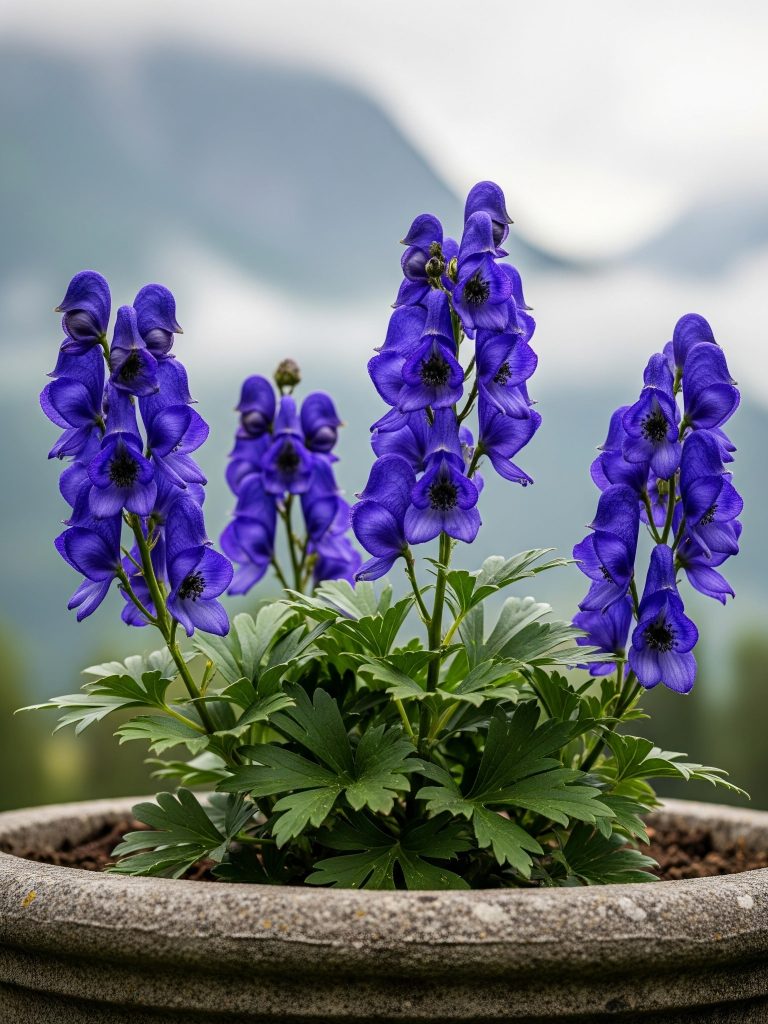
50 Stunning Flowers that Start with B: Identification and Pictures
Discover the beauty of flowers starting with the letter B in this vibrant guide! From the delicate Baby’s Breath to the bold Bird of Paradise, these blooms offer diverse colors, shapes, and meanings for gardens, bouquets, or special occasions.
1. Baby’s Breath
Gypsophila paniculata produces clouds of tiny white or pink flowers, often used as filler in bouquets. Its delicate, airy blooms contrast beautifully with bolder flowers. Native to Europe and Asia, it thrives in well-drained soil and full sun. Popular in weddings, it symbolizes purity.
This plant grows 1–3 feet tall, with slender stems and small, lance-shaped leaves, blooming in summer.
2. Bachelor’s Button
Centaurea cyanus, or cornflower, boasts vibrant blue, daisy-like flowers with ruffled petals. Growing 1–3 feet, it’s a hardy annual thriving in full sun and poor soil. Native to Europe, it’s a favorite in cottage gardens and attracts pollinators.
Its edible petals add color to salads. Blooms appear in summer, sometimes in pink or white, with a history of use in herbal remedies.
3. Balloon Flower
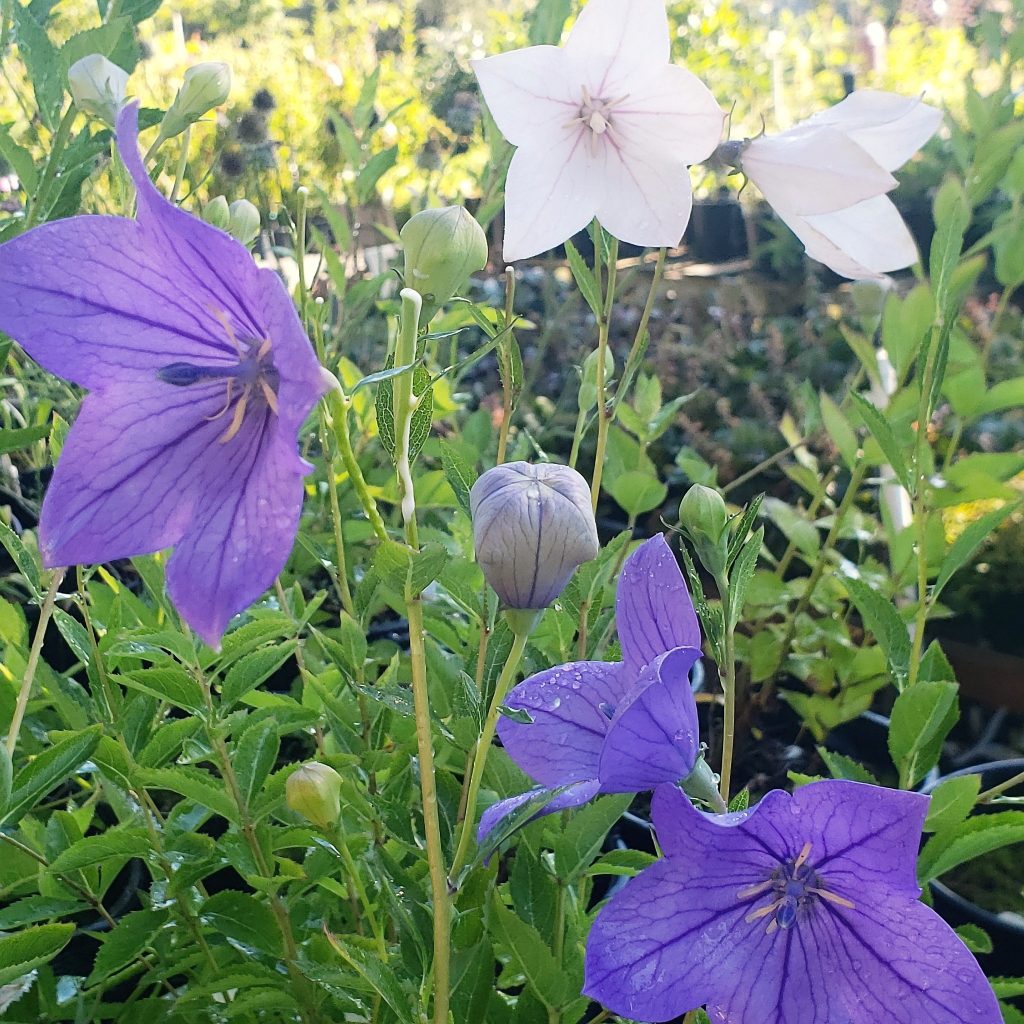
Platycodon grandiflorus features puffy, balloon-like buds that open into star-shaped blue, purple, or white flowers. Native to East Asia, it grows 1–2 feet tall in sunny gardens. The bell-shaped blooms attract bees and bloom in summer.
Its deep roots make it drought-tolerant, and it’s low-maintenance, perfect for borders. The plant’s name reflects its unique bud shape, a favorite in rock gardens.
4. Balsam
Impatiens balsamina produces vibrant, cup-shaped flowers in pink, red, or white. This annual, native to Asia, grows 1–2 feet tall in partial shade. Its blooms, appearing from summer to fall, attract hummingbirds.
Balsam self-seeds readily, making it a garden staple. The plant’s juicy stems and bright flowers suit containers or borders, with a history of use in traditional medicine for skin ailments.
5. Baneberry
Actaea species bear small white flowers in spring, followed by toxic red or white berries. Found in shady woodlands of North America, this perennial grows 1–3 feet. Its fluffy flower clusters contrast with broad, lobed leaves.
The berries, while striking, are poisonous, earning the name “baneberry.” It’s ideal for shade gardens, adding texture and interest, but caution is needed around pets and children.
6. Barberton Daisy
Gerbera jamesonii displays large, daisy-like flowers in vivid red, pink, or orange. Native to South Africa, this perennial grows 1–2 feet in sunny, well-drained spots. Its cheerful blooms, lasting from spring to fall, make it a florist’s favorite.
Perfect for containers or borders, it attracts butterflies. Regular deadheading encourages continuous flowering, and its bright colors add vibrancy to any garden setting.
7. Basil Flower
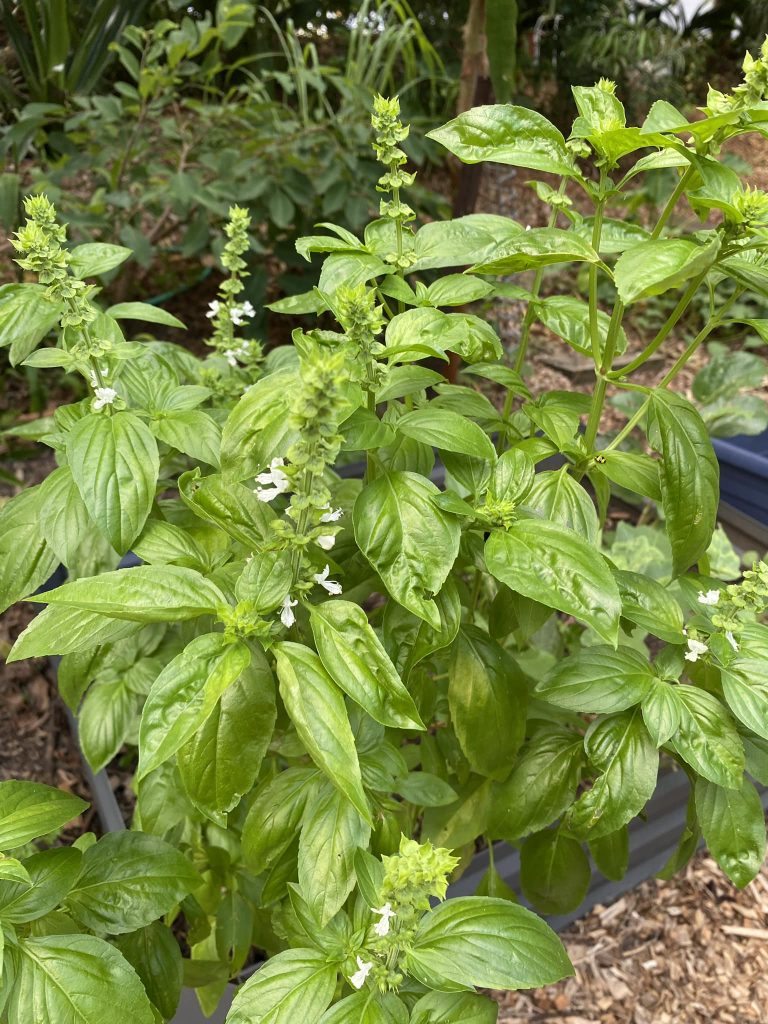
Ocimum basilicum produces small white or purple flower spikes atop aromatic herb plants. Native to tropical Asia, this annual grows 1–2 feet in full sun. The edible blooms, with a mild basil flavor, attract bees and are used in culinary dishes.
Flowering in summer, pinching blooms encourages leaf growth. It’s a versatile plant for herb gardens, combining ornamental and practical uses.
8. Bear’s Breeches
Acanthus mollis features tall spikes of white and purple flowers above spiny, glossy leaves. Native to the Mediterranean, this perennial grows 3–5 feet in partial shade. Its dramatic foliage and summer blooms suit architectural gardens.
Historically, its leaves inspired Corinthian column designs. Drought-tolerant once established, it’s ideal for bold borders but can spread aggressively, requiring control in smaller gardens.
9. Bee Balm
Monarda didyma showcases vibrant red, pink, or purple tubular flowers in dense, spiky clusters. Native to North America, this perennial grows 2–4 feet in sun or partial shade.
Blooming in summer, it attracts bees, hummingbirds, and butterflies. Its minty leaves are used in teas. Thriving in moist soil, it’s perfect for pollinator gardens but may need staking due to its height.
10. Begonia
Begonia species offer waxy, colorful blooms in pink, red, or white, often with asymmetrical leaves. Native to tropical regions, they grow 1–2 feet in shade or partial sun. Popular as houseplants or garden annuals, they bloom year-round in warm climates.
Their succulent stems and vibrant flowers suit containers. Regular watering and well-drained soil keep them thriving, adding lushness to shady spots.
11. Bellflower
Campanula species produce delicate, bell-shaped blue, purple, or white flowers. Native to temperate regions, these perennials or annuals grow 6 inches to 3 feet. Blooming in summer, they thrive in sun or partial shade, ideal for rock gardens or borders. Their starry blooms attract pollinators.
Easy to grow, they prefer well-drained soil and add charm to cottage-style landscapes with minimal care.
12. Bells of Ireland
Moluccella laevis features tall spikes of green, bell-shaped calyces surrounding tiny white flowers. Native to the Middle East, this annual grows 2–3 feet in full sun. Its unique, lime-green structure blooms in summer, perfect for fresh or dried arrangements.
It prefers cool climates and well-drained soil. The plant’s striking appearance adds vertical interest to borders and cutting gardens.
13. Bergenia
Bergenia cordifolia, or pigsqueak, has clusters of pink or white flowers on short stems. Native to Asia, this evergreen perennial grows 1–2 feet in shade or partial sun. Its thick, leathery leaves turn bronze in winter, ideal for ground cover.
Blooming in spring, it thrives in moist, well-drained soil. Low-maintenance and deer-resistant, it’s a reliable choice for shady borders or rock gardens.
14. Betony
Stachys officinalis bears spikes of purple or pink tubular flowers above wrinkled leaves. Native to Europe, this perennial grows 1–2 feet in sun or partial shade. Blooming in summer, it attracts bees and is used in herbal teas for its medicinal properties. Its compact size suits borders or herb gardens.
Easy to grow, it prefers well-drained soil and adds texture to mixed plantings.
15. Bird of Paradise
Strelitzia reginae displays exotic orange and blue flowers resembling a bird’s head. Native to South Africa, this evergreen perennial grows 3–5 feet in full sun.
Blooming year-round in warm climates, it’s a striking focal point for tropical gardens. Its bold, paddle-shaped leaves add drama. It requires well-drained soil and occasional watering, thriving in frost-free areas or as a potted plant indoors.
16. Black-Eyed Susan
Rudbeckia hirta features bright yellow petals with dark brown centers, resembling daisies. Native to North America, this biennial or perennial grows 1–3 feet in full sun. Blooming summer to fall, it attracts butterflies and is drought-tolerant.
Perfect for wildflower gardens or borders, its cheerful flowers last long in vases. It self-seeds easily, ensuring a vibrant display in sunny, well-drained sites.
17. Blanket Flower
Gaillardia species produce red and yellow daisy-like flowers with a long blooming season. Native to the Americas, this perennial grows 1–2 feet in full sun. Drought-tolerant and low-maintenance, it suits borders or prairies. Its vibrant blooms attract pollinators from summer to fall.
Well-drained soil is key, and deadheading encourages more flowers, making it a favorite for colorful, carefree gardens.
18. Blazing Star
Liatris spicata showcases tall, feathery spikes of purple or white flowers. Native to North America, this perennial grows 2–5 feet in full sun. Blooming in summer, its bottlebrush-like flowers attract butterflies and bees.
Ideal for prairies or borders, it tolerates poor soil and drought. The cormous roots store energy, ensuring reliable blooms in well-drained, sunny sites year after year.
19. Bleeding Heart
Dicentra spectabilis bears heart-shaped pink or white flowers dangling from arching stems. Native to Asia, this perennial grows 2–3 feet in shade or partial sun.
Blooming in spring, its delicate, fern-like foliage adds charm to woodland gardens. It goes dormant in summer, preferring moist, well-drained soil. A romantic favorite, it’s perfect for shady borders but requires protection from strong winds.
20. Bloodroot
Sanguinaria canadensis produces delicate white flowers with yellow centers in early spring. Native to North American woodlands, this perennial grows 6–12 inches in shade. Its lobed leaves wrap around stems, and red sap gives its name.
The short-lived blooms suit naturalized gardens. It prefers moist, rich soil and is toxic if ingested, making it a unique addition to shaded landscapes.
21. Bluebell
Hyacinthoides non-scripta forms carpets of drooping, bell-shaped blue flowers in spring. Native to Europe, this perennial grows 1–2 feet in partial shade. Its sweet fragrance and slender leaves make it a woodland favorite.
Thriving in moist, well-drained soil, it naturalizes easily, creating stunning displays. Deer-resistant and low-maintenance, it’s ideal for shady gardens or under trees, evoking a classic English countryside aesthetic.
22. Blue-Eyed Grass
Sisyrinchium bellum bears small, star-shaped blue flowers with yellow centers. Native to North America, this perennial grows 6–18 inches in sun or partial shade. Despite its name, it’s not a grass but an iris relative.
Blooming in spring, it suits rock gardens or borders. Its grass-like foliage blends well in naturalistic settings, thriving in well-drained soil with minimal care.
23. Borage
Borago officinalis produces star-shaped blue flowers with black anthers, edible with a cucumber-like taste. Native to the Mediterranean, this annual grows 1–3 feet in full sun.
Blooming in summer, it attracts bees and self-seeds readily. Its hairy leaves and stems add texture to herb gardens. Easy to grow in well-drained soil, it’s used in salads, teas, and as a pollinator-friendly plant.
24. Bottlebrush
Callistemon species feature red, brush-like flower spikes resembling a bottle brush. Native to Australia, this evergreen shrub grows 3–10 feet in full sun. Blooming spring to summer, it attracts hummingbirds and thrives in warm climates. Its narrow, leathery leaves complement the vivid flowers.
Well-drained soil and occasional pruning keep it healthy, making it a bold choice for tropical or coastal gardens.
25. Bouvardia
Bouvardia ternifolia offers clusters of tubular white, pink, or red flowers with a sweet fragrance. Native to Central America, this perennial grows 2–3 feet in sun or partial shade.
Blooming summer to fall, it’s popular in bouquets and suits, containers, or borders. It prefers well-drained soil and regular watering. Pinching promotes bushiness, adding elegance to gardens or as a cut flower.
26. Brachycome
Brachycome iberidifolia, or Swan River daisy, produces small, daisy-like blue, purple, or pink flowers. Native to Australia, this annual grows 6–18 inches in full sun.
Blooming summer to fall, it’s perfect for borders or hanging baskets. Its ferny foliage adds softness, and it thrives in well-drained soil. Deadheading extends blooming, making it a cheerful, low-maintenance choice for sunny gardens.
27. Browallia
Browallia speciosa, or bush violet, bears star-shaped blue or purple flowers. Native to South America, this annual grows 1–2 feet in shade or partial sun. Blooming summer to fall, it’s ideal for containers or shady borders. Its compact form and vibrant flowers attract pollinators.
This beauty prefers moist, well-drained soil and tolerates low light, making it a versatile choice for shaded garden areas.
28. Brugmansia
Brugmansia species, or angel’s trumpet, produce large, trumpet-shaped flowers in white, yellow, or pink. Native to South America, this shrub grows 6–20 feet in full sun or partial shade. Its fragrant blooms, hanging downward, appear summer to fall.
Toxic if ingested, it’s a stunning focal point in tropical gardens. It requires rich, moist soil and protection from frost, often grown in containers.
29. Brunnera
Brunnera macrophylla, or Siberian bugloss, features tiny, sky-blue flowers resembling forget-me-nots. Native to the Caucasus, this perennial grows 1–2 feet in shade. Blooming in spring, its heart-shaped leaves provide year-round interest.
Ideal for woodland gardens, it thrives in moist, well-drained soil. Deer-resistant and low-maintenance, it’s perfect for shady borders, adding a soft, airy texture with its delicate, starry blooms.
30. Bugleweed
Ajuga reptans produces spikes of blue, purple, or white flowers above glossy, low-growing foliage. Native to Europe, this perennial grows 6–12 inches in shade or sun.
Blooming in spring, it’s a fast-spreading ground cover for borders or slopes. Its colorful leaves, often bronze or variegated, add year-round appeal. It thrives in moist soil and is deer-resistant, ideal for low-maintenance landscapes.
31. Bulbous Buttercup
Ranunculus bulbosus displays glossy yellow, cup-shaped flowers with reflexed petals. Native to Europe, this perennial grows 1–2 feet in full sun. Blooming in spring, it’s common in meadows and lawns, attracting bees. Its bulbous roots store energy, and it prefers well-drained soil.
While charming, it’s toxic if ingested and can be invasive, so it’s best suited for controlled wildflower gardens or naturalized areas.
32. Bush Violet
Browallia americana, similar to browallia, has small, violet-like purple flowers. Native to South America, this annual grows 1–2 feet in shade or partial sun.
Blooming from summer to fall, it’s often grown as a houseplant or in hanging baskets. Its delicate blooms and compact size suit small spaces. It thrives in moist, well-drained soil, adding a pop of color to shaded areas.
33. Butterfly Bush
Buddleja davidii produces long, conical clusters of purple, pink, or white flowers. Native to China, this shrub grows 5–10 feet in full sun. Blooming summer to fall, its sweet fragrance attracts butterflies and hummingbirds.
Fast-growing and drought-tolerant, this flower suits borders or wildlife gardens. Pruning in spring encourages blooms, and it thrives in well-drained soil, though it can be invasive in some regions.
34. Butterfly Pea
Clitoria ternatea bears vivid blue, pea-like flowers used in teas for their color-changing properties. Native to Asia, this vine grows 6–10 feet in full sun.
Blooming year-round in warm climates, it’s ideal for trellises or fences. Its edible flowers add beauty to culinary dishes. It prefers well-drained soil and is drought-tolerant, making it a striking, low-maintenance tropical plant.
35. Buddleja
Buddleja alternifolia, an alternative butterfly bush, has cascading clusters of purple or lilac flowers. Native to China, this shrub grows 10–15 feet in full sun. Blooming in early summer, it attracts pollinators with its honey-like scent. Its arching branches suit informal gardens or hedges.
Drought-tolerant and easy to grow, it thrives in well-drained soil but may need pruning to maintain shape.
36. Burnet
Sanguisorba minor produces small, round clusters of red or pink flowers above ferny foliage. Native to Europe, this perennial grows 1–2 feet in full sun or partial shade. Blooming in summer, it attracts bees and is edible, with leaves tasting like cucumber.
Ideal for herb gardens or borders, it thrives in well-drained soil and adds subtle charm to naturalistic plantings.
37. Bush Clover
Lespedeza thunbergii bears spikes of purple or pink pea-like flowers. Native to Asia, this shrub grows 4–6 feet in full sun. Blooming late summer to fall, it attracts pollinators and suits borders or slopes. Its arching branches and fine foliage add elegance.
Drought-tolerant and low-maintenance, it thrives in well-drained soil, making it a resilient choice for sunny, open spaces.
38. Blue Mistflower
Conoclinium coelestinum produces fuzzy, pale blue flower clusters. Native to North America, this perennial grows 1–3 feet in sun or partial shade.
Blooming late summer to fall, it attracts butterflies and thrives in moist soil. Ideal for wildflower gardens or borders, its airy blooms add softness. It spreads readily, so it’s best in naturalistic settings where it can naturalize freely.
39. Boltonia
Boltonia asteroides bears star-shaped white or pink flowers resembling asters. Native to North America, this perennial grows 3–6 feet in full sun. Blooming late summer to fall, it attracts pollinators and suits borders or prairies. Its airy, branching stems create a cloud-like effect.
Drought-tolerant and low-maintenance, it thrives in well-drained soil, perfect for adding height to wildflower gardens.
40. Boneset
Eupatorium perfoliatum produces clusters of small white flowers atop sturdy stems. Native to North America, this perennial grows 3–5 feet in sun or partial shade. Blooming late summer, it attracts butterflies and was used in herbal medicine for fevers. Its leaves clasp the stem, a unique trait.
This plant prefers moist soil and suits wetland gardens or borders, adding texture to naturalistic landscapes.
41. Boronia
Boronia megastigma bears fragrant, star-shaped pink or yellow flowers. Native to Australia, this shrub grows 2–4 feet in full sun or partial shade. Blooming in spring, its scent makes it a favorite for gardens or containers. It prefers well-drained, acidic soil and moderate watering.
Sensitive to frost, it’s ideal for mild climates, adding delicate beauty and aroma to small spaces.
42. Blue Throatwort
Trachelium caeruleum produces clusters of tiny, tubular blue flowers. Native to the Mediterranean, this perennial grows 2–3 feet in full sun or partial shade.
Blooming in summer, it attracts bees and suits borders or containers. Its delicate, dome-shaped flower heads add airy texture. It thrives in well-drained soil and is a rare, elegant choice for Mediterranean or cottage gardens.
43. Baptisia
Baptisia australis, or false indigo, bears lupine-like spikes of blue, purple, or yellow flowers. Native to North America, this perennial grows 3–4 feet in full sun. Blooming in spring, it attracts bees and forms decorative seed pods. Its deep roots make it drought-tolerant, ideal for prairies or borders.
Low-maintenance and long-lived, this plant thrives in well-drained soil, adding structure to gardens.
44. Belladonna Lily
Amaryllis belladonna produces large, trumpet-shaped pink or white flowers. Native to South Africa, this bulbous perennial grows 2–3 feet in full sun. Blooming late summer, its fragrant, lily-like flowers appear before strap-like leaves.
Belladonna thrives in well-drained soil and is drought-tolerant, perfect for Mediterranean gardens. Its bold blooms make it a striking focal point in borders or containers.
45. Bletilla
Bletilla striata, or Chinese ground orchid, bears pink or purple orchid-like flowers. Native to Asia, this perennial grows 1–2 feet in partial shade. Blooming in spring, its pleated leaves add texture to woodland gardens. It prefers moist, well-drained soil and is hardy for an orchid.
Easy to grow, it’s ideal for shady borders, offering an exotic touch with minimal care.
46. Blue Poppy
Meconopsis betonicifolia displays vivid blue, saucer-shaped flowers with yellow centers. Native to the Himalayas, this perennial grows 2–4 feet in partial shade.
Blooming in early summer, it thrives in cool, moist climates with acidic soil. Its delicate petals make it a garden gem, but it’s challenging to grow in warm areas. Perfect for woodland gardens, it adds a rare, vibrant hue.
47. Broom
Cytisus scoparius produces bright yellow or red pea-like flowers. Native to Europe, this shrub grows 3–6 feet in full sun. Blooming in spring, it attracts bees and suits sunny slopes or borders. Its slender, green stems add year-round interest.
Drought-tolerant but potentially invasive, it thrives in poor, well-drained soil. Pruning after flowering maintains its shape, ideal for Mediterranean-style gardens.
48. Bluestar
Amsonia tabernaemontana bears clusters of pale blue, star-shaped flowers. Native to North America, this perennial grows 2–3 feet in sun or partial shade.
Blooming in spring, its willow-like leaves turn golden in fall, adding seasonal interest. It’s low-maintenance and deer-resistant, perfect for borders or naturalistic gardens. Thriving in well-drained soil, it attracts pollinators and offers a soft, airy aesthetic.
49. Blood Lily
Scadoxus multiflorus produces spherical clusters of red, star-like flowers. Native to Africa, this bulbous perennial grows 1–2 feet in full sun or partial shade.
Blooming in summer, its dramatic, firework-like blooms suit tropical gardens or containers. It prefers well-drained soil and goes dormant in winter. Toxic if ingested, it’s a bold, exotic choice for warm-climate landscapes.
50. Barrenwort
Epimedium species produce delicate, spurred flowers in pink, purple, or white. Native to Asia and Europe, this perennial grows 6–12 inches in shade.
Blooming in spring, its heart-shaped leaves often turn bronze in fall. Ideal for ground cover in woodland gardens, it’s deer-resistant and low-maintenance. It thrives in moist, well-drained soil, adding subtle elegance to shady corners or under trees.
Conclusion
Whether you’re planning a themed landscape, seeking symbolic gifts, or exploring botanical wonders, I hope this list of 50 B flowers inspires your creativity and makes it easy for you to make a choice.

Tim M Dave is a gardening expert with a passion for houseplants, particularly cacti and succulents. With a degree in plant biology from the University of California, Berkeley, he has vast experience in gardening. Over the years, he has cultivated a vast collection of desert plants and learned a great deal about how to grow and care for these unique companions.