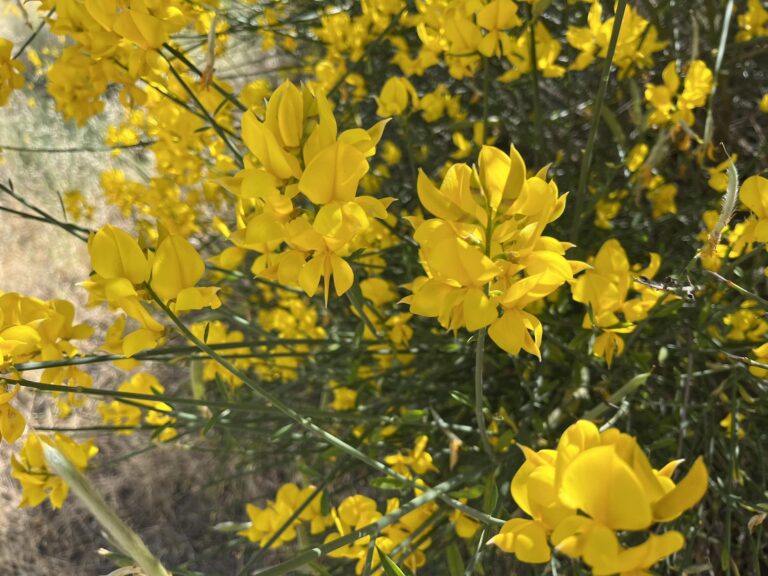
25 Flowering Shrubs for Full Sun: The Complete Guide to a Radiant Garden
If you have a garden that receives six or more hours of direct sunlight each day, you are in a genuinely fortunate position. Full sun is a condition that many of the world’s most beautiful flowering shrubs prefer — and thrive in. The challenge, however, is choosing the right ones. With so many options available, it is easy to feel overwhelmed.
This guide presents 25 of the best flowering shrubs for full sun, covering their bloom times, sizes, care needs, and hardiness zones. Whether you are redesigning a large landscape or simply filling a bright, sunny border, these shrubs will reward you with colour, fragrance, and structure for years to come.
What Counts as “Full Sun”?
Before diving into the plant list, it is important to define the term. “Full sun” means a location that receives a minimum of six hours of direct, unfiltered sunlight per day. Eight hours or more is even better for most of the shrubs listed here.
It is also worth noting that intense afternoon sun in hot climates can stress some plants. If you live in USDA Hardiness Zones 8 through 11, consider choosing varieties noted for heat tolerance, and ensure the soil retains adequate moisture.
25 Flowering Shrubs That Love Full Sun
1. Rose (Rosa spp.)
Few plants are as closely associated with garden beauty as the rose. Modern shrub roses — particularly varieties such as ‘Knock Out’ and ‘David Austin’ English roses — are far more disease-resistant than older cultivars. They bloom from late spring through autumn and are available in almost every colour imaginable.
Hardiness: Zones 3–9 (varies by cultivar) Height: 2–6 feet Tip: Deadhead spent flowers regularly to encourage continuous blooming.
2. Butterfly Bush (Buddleja davidii)
This fast-growing shrub earns its name honestly — butterflies find it irresistible. Fragrant flower spikes in purple, white, pink, or yellow appear from midsummer through early autumn. It is drought-tolerant once established, which makes it a practical choice for warm, sunny borders.
Hardiness: Zones 5–9 Height: 4–10 feet Note: Some regions classify this plant as invasive. Check local guidelines and consider sterile cultivars such as ‘Miss Molly’ or ‘Buzz.’
3. Lavender (Lavandula spp.)
Lavender is both a herb and an ornamental shrub, and it performs magnificently in full sun. The silver-grey foliage alone is attractive, but the fragrant purple flower spikes — beloved by bees and gardeners alike — are what make it truly special. It thrives in well-drained, even slightly poor soils.
Hardiness: Zones 5–8 (English lavender); Zones 7–10 (French and Spanish lavender) Height: 1–3 feet
4. Forsythia (Forsythia × intermedia)
Among the first shrubs to flower each spring, forsythia produces a brilliant burst of yellow blooms before the leaves even emerge. It is one of the most reliable and low-maintenance flowering shrubs available. It grows vigorously and looks especially dramatic when planted en masse.
Hardiness: Zones 5–8 Height: 6–10 feet
5. Spirea (Spiraea spp.)
Spirea is a workhorse of the garden. Varieties like Spiraea japonica ‘Little Princess’ or ‘Anthony Waterer’ produce dense clusters of pink or white flowers in summer. The compact forms are ideal for smaller gardens or as a low border. Fall foliage colour is an added bonus.
Hardiness: Zones 3–8 Height: 2–6 feet
6. Potentilla (Potentilla fruticosa)
Also known as shrubby cinquefoil, potentilla produces cheerful five-petalled flowers from late spring right through to frost. Yellow is the most common colour, though white, orange, and pink varieties exist. It is among the most cold-hardy and drought-tolerant shrubs you can grow.
Hardiness: Zones 2–7 Height: 2–4 feet
7. Weigela (Weigela florida)
Weigela has had a well-deserved renaissance in garden design over recent decades. Modern cultivars like ‘Wine & Roses’ combine dark, wine-coloured foliage with vivid pink, red, or white tubular flowers that attract hummingbirds. It blooms heavily in spring with scattered repeat blooms into summer.
Hardiness: Zones 4–8 Height: 3–6 feet
8. Crape Myrtle (Lagerstroemia indica)
In warm climates, crape myrtle is a garden staple. Its long-lasting flower clusters — in shades of white, pink, red, and purple — appear in midsummer when few other shrubs are at their peak. The attractive, exfoliating bark provides winter interest even after the growing season ends.
Hardiness: Zones 6–10 Height: 3–25 feet (varies widely by cultivar)
9. Russian Sage (Perovskia atriplicifolia)
Technically a subshrub, Russian sage offers an airy, silvery-blue effect that few other plants can match. The fine-textured stems and small lavender-blue flowers create a haze of colour from midsummer to early autumn. It is extraordinarily heat and drought-tolerant.
Hardiness: Zones 4–9 Height: 3–5 feet
10. Lilac (Syringa vulgaris)
The fragrance of lilac in bloom is one of the great pleasures of the spring garden. Common lilac grows into a large, multi-stemmed shrub that can live for generations. For smaller gardens, compact varieties like ‘Bloomerang’ offer repeat blooming and a more manageable size.
Hardiness: Zones 3–7 Height: 5–15 feet (varies by cultivar) Tip: Lilac requires a cold winter chill to bloom reliably. It is not suitable for very warm climates.
11. Azalea (Rhododendron spp.)
Most azaleas prefer dappled shade, but deciduous azaleas — such as the Exbury hybrids — actually prefer full sun. Their flowers in shades of yellow, orange, red, and white are stunning, and the autumn foliage colour is remarkable.
Hardiness: Zones 4–7 (deciduous types) Height: 4–8 feet
12. Caryopteris (Caryopteris × clandonensis)
Known commonly as bluebeard or blue spirea, caryopteris is grown for its intensely blue flower clusters that appear in late summer and early autumn — a time when blue is a rare colour in the garden. The silver-green, aromatic foliage is attractive all season long.
Hardiness: Zones 5–9 Height: 2–3 feet
13. Oleander (Nerium oleander)
For hot, dry climates, few shrubs match oleander’s resilience and visual impact. It produces clusters of flowers in white, pink, red, or yellow from spring through autumn. A note of caution: all parts of this plant are highly toxic, so it should not be planted in gardens frequented by young children or pets.
Hardiness: Zones 8–11 Height: 6–12 feet
14. Salvia (Salvia spp.)
Woody salvias — particularly Salvia greggii (autumn sage) and Salvia leucantha (Mexican sage) — are among the finest flowering shrubs for warm, sunny climates. They bloom prolifically, attract hummingbirds and butterflies, and are highly drought-resistant once established.
Hardiness: Zones 6–10 (varies by species) Height: 2–4 feet
15. St. John’s Wort (Hypericum spp.)
Hypericum calycinum and taller varieties like Hypericum patulum produce bright yellow flowers with prominent stamens throughout summer. These shrubs are tough, adaptable, and tolerant of both drought and poor soil. They are useful as ground cover on sunny slopes.
Hardiness: Zones 5–9 Height: 1–4 feet
16. Mock Orange (Philadelphus coronarius)
If fragrance is a priority, mock orange belongs in your garden. The white, four-petalled flowers have a heady, citrus-like scent that fills the air in late spring and early summer. It is an easy-to-grow, adaptable shrub with a classic cottage garden character.
Hardiness: Zones 4–8 Height: 6–10 feet
17. Abelia (Abelia × grandiflora)
Glossy abelia is a semi-evergreen shrub that blooms from summer through autumn, producing masses of small, tubular white or pink flowers that attract butterflies and hummingbirds. The foliage takes on attractive bronze or reddish tones in autumn. It is a graceful and underused shrub in many gardens.
Hardiness: Zones 6–9 Height: 3–6 feet
18. Vitex (Vitex agnus-castus)
Also known as chaste tree, vitex produces long spikes of fragrant lavender-blue flowers in midsummer — a season when truly blue flowers are uncommon. It is extremely heat and drought-tolerant, making it an excellent choice for gardens in warm, dry regions.
Hardiness: Zones 6–9 Height: 8–15 feet
19. Smoke Bush (Cotinus coggygria)
Smoke bush is grown partly for its extraordinary summer display — feathery, smoke-like flower plumes that create a soft, billowing effect. The foliage, especially in purple-leafed varieties like ‘Royal Purple,’ is striking from spring through autumn. It is one of the more theatrical shrubs available.
Hardiness: Zones 4–8 Height: 8–15 feet
20. Rose of Sharon (Hibiscus syriacus)
Where other shrubs have finished blooming for the year, Rose of Sharon is just getting started. It flowers from midsummer through early autumn, producing large, hollyhock-like blooms in white, pink, purple, blue, or bicolour. It is an easy, low-maintenance shrub that thrives with minimal attention.
Hardiness: Zones 5–9 Height: 8–12 feet
21. Leucophyllum (Leucophyllum frutescens)
Commonly called Texas sage or cenizo, this shrub is tailor-made for hot, dry, sunny gardens. Its silver foliage is beautiful year-round, and after summer rains, it erupts in a stunning display of lavender-purple flowers. Few shrubs are as resilient in arid conditions.
Hardiness: Zones 7–11 Height: 4–8 feet
22. Deutzia (Deutzia spp.)
Deutzia is a flowering shrub that deserves wider recognition. In late spring, it is smothered in small, star-shaped white or pink flowers. It is tidy, adaptable, and not particularly demanding. Compact varieties such as ‘Nikko’ make excellent low borders in a sunny garden.
Hardiness: Zones 4–8 Height: 2–8 feet
23. Beauty Bush (Kolkwitzia amabilis)
Beauty bush is aptly named. In late spring, it becomes nearly invisible beneath a cascade of small, soft pink, bell-shaped flowers. It grows into a large, graceful, arching shrub and is virtually pest- and disease-free. It is an old-fashioned favourite that has stood the test of time.
Hardiness: Zones 4–8 Height: 6–10 feet
24. Yucca (Yucca filamentosa)
For a dramatic, architectural statement in a dry, sunny border, yucca is unmatched. Once established, it sends up tall spikes of creamy white, bell-shaped flowers in summer. The sword-like foliage provides year-round structure and is virtually indestructible. It is a plant that takes care of itself.
Hardiness: Zones 4–11 Height: 2–3 feet (foliage); flower spikes reach 6–8 feet
25. Plumbago (Plumbago auriculata)
For warm-climate gardeners, plumbago is one of the finest summer-blooming shrubs available. It produces clusters of sky-blue or white flowers almost continuously from spring through autumn. It is commonly used as a hedge, a sprawling border plant, or a trained climber on a trellis. In frost-prone areas, it can be grown in containers and overwintered indoors.
Hardiness: Zones 8–11 Height: 3–6 feet
How to Choose the Right Shrub for Your Garden
Selecting a shrub for a full sun location goes beyond simply confirming that it likes sunlight. Consider the following factors before making a decision.
Climate and Hardiness Zone. Always verify that a plant is hardy in your USDA zone. A shrub rated for Zone 7 will not survive a Zone 5 winter outdoors.
Soil Type. Some shrubs, like lavender and potentilla, prefer well-drained, even sandy soil. Others, like rose and weigela, benefit from richer, moisture-retentive loam. Test your soil’s drainage before planting.
Water Requirements. In dry climates, drought-tolerant shrubs such as vitex, Texas sage, and Russian sage are practical choices. In areas with reliable rainfall, a wider range of options becomes available.
Mature Size. It is a common and entirely understandable mistake to plant a shrub without accounting for its eventual size. A crape myrtle that will reach 20 feet is not the right choice for a small courtyard border.
Bloom Time. For the most visually satisfying garden, aim for a succession of bloom times — some shrubs flowering in spring, others in summer, and others carrying colour into autumn.
Wildlife Value. Shrubs like butterfly bush, salvia, abelia, and weigela provide nectar and habitat for butterflies, bees, and hummingbirds. If supporting local wildlife is a priority, choose plants with known pollinator value.
Care Tips for Full Sun Flowering Shrubs
Full sun shrubs are generally hardy and low-maintenance, but a few good habits will keep them performing at their best.
Watering during establishment. Even drought-tolerant shrubs need regular watering for their first growing season while roots are becoming established. Water deeply and less frequently rather than shallowly and often.
Mulching. A 2–3 inch layer of organic mulch around the base of each shrub conserves moisture, regulates soil temperature, and suppresses weeds. Keep mulch away from the stems to prevent rot.
Pruning. The timing of pruning depends on when the shrub blooms. Spring-blooming shrubs such as forsythia, lilac, and mock orange should be pruned immediately after flowering. If you prune them in autumn or early spring, you will cut off the flower buds. Summer-blooming shrubs can generally be pruned in late winter or early spring before new growth begins.
Fertilising. Most flowering shrubs benefit from a balanced, slow-release fertiliser applied in early spring. Avoid high-nitrogen fertilisers, which promote leafy growth at the expense of flowers.
Pest and Disease Management. Full sun conditions naturally reduce the risk of fungal diseases that thrive in shade and moisture. However, watch for common issues such as aphids, spider mites, and powdery mildew, especially during hot, dry spells.
Designing With Full Sun Flowering Shrubs
A thoughtful arrangement of flowering shrubs creates a garden that is more than the sum of its parts. Here are a few design principles worth considering.
Layer heights. Combine taller shrubs at the back of a border — crape myrtle, vitex, smoke bush — with mid-sized shrubs in the middle and low-growing varieties like potentilla, lavender, and caryopteris at the front.
Repeat plants. Repeating a single plant two or three times throughout a border creates a sense of cohesion and rhythm. A single potentilla planted alone looks pleasant. Three potentillas spaced evenly through the border create visual flow.
Combine bloom seasons. Plant forsythia for spring, roses and weigela for early summer, rose of Sharon and Russian sage for late summer, and abelia for early autumn. This way, something is always in bloom.
Use foliage as a framework. Plants like smoke bush, weigela ‘Wine & Roses,’ and Texas sage offer attractive foliage even when not in flower. Use these as the structural backbone of the planting, then layer flowering shrubs around them.
Suggested For You:
15 Winter Interest Shrubs: Colour, Structure, and Life in the Cold-Season Garden
15 Flowering Shrubs for Zone 5: The Best Choices for Cold-Climate Gardens
25 Low Maintenance Shrubs: Beautiful Choices That Take Care of Themselves
15 Drought Tolerant Shrubs: The Best Choices for Dry Gardens and Water-Wise Landscapes
20 Evergreen Shrubs for Borders: Structure, Colour, and Year-Round Presence
20 Fast Growing Shrubs for Privacy: The Complete Guide to a Natural Screen
Final Thoughts
The right flowering shrub in the right location requires very little from you in return for a great deal of beauty. Full sun is one of the most valuable assets a garden can offer, and the 25 shrubs in this guide are all equipped to make excellent use of it. Whether you are drawn to the fragrance of lilac, the architectural boldness of yucca, the long season of rose of Sharon, or the drought-toughness of Texas sage, there is a shrub here for every taste, climate, and purpose.
Take time to match each plant to your specific conditions — soil, climate, water availability, and mature size — and you will be rewarded with a garden that grows more beautiful with every passing year.
References
- Missouri Botanical Garden – Plant Finder. https://www.missouribotanicalgarden.org/plantfinder/plantfindersearch.aspx
- University of Florida IFAS Extension – Florida-Friendly Landscaping. https://ffl.ifas.ufl.edu/
- Clemson University Cooperative Extension – Home and Garden Information Center. https://hgic.clemson.edu/
- The Royal Horticultural Society (RHS) – Plant Encyclopaedia. https://www.rhs.org.uk/plants/search-form
- North Carolina State University Extension – Gardener Toolbox. https://plants.ces.ncsu.edu/

Tim M Dave is a gardening expert with a passion for houseplants, particularly cacti and succulents. With a degree in plant biology from the University of California, Berkeley, he has vast experience in gardening. Over the years, he has cultivated a vast collection of desert plants and learned a great deal about how to grow and care for these unique companions.