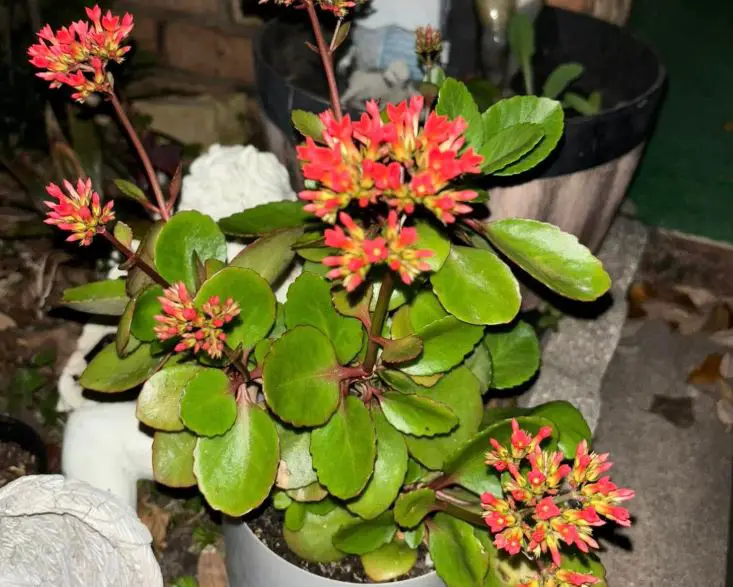
Flaming Katy Watering Schedule: Keep Your Christmas Kalanchoe Thriving
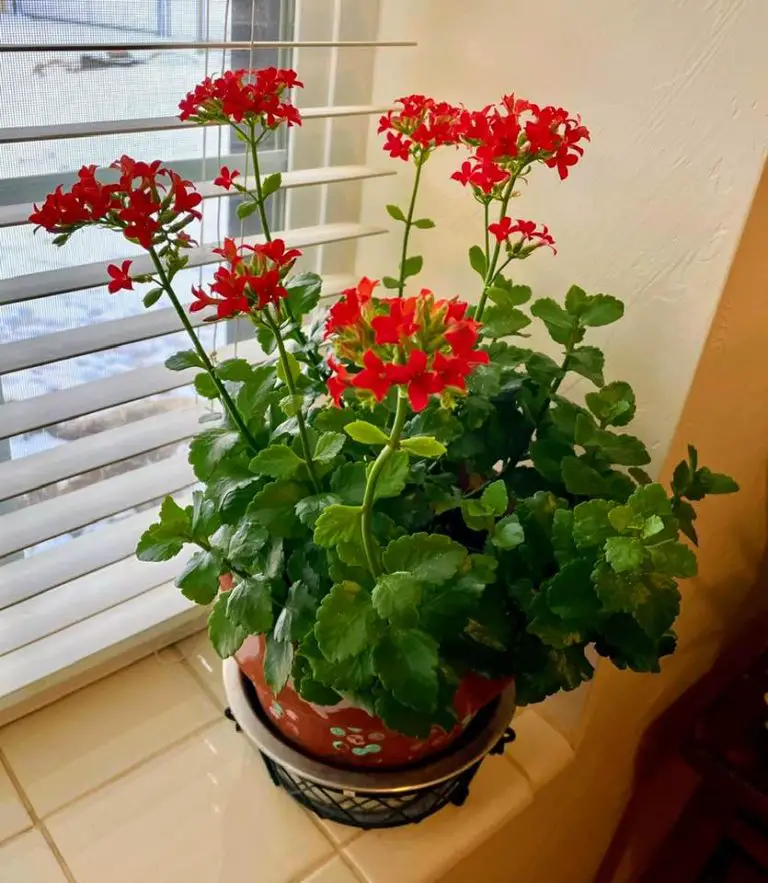
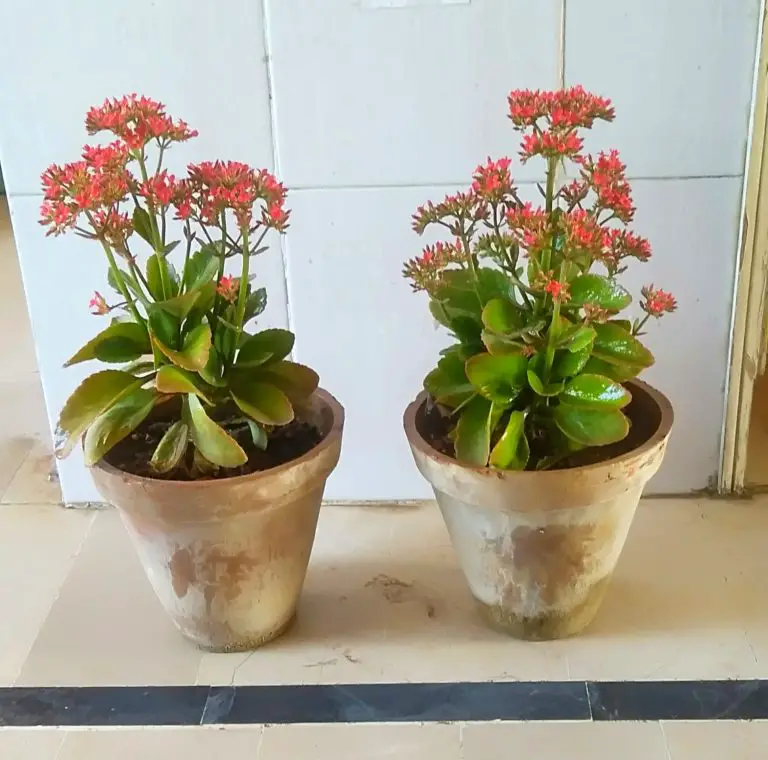
Hey there, plant lover! If you’ve just brought home a vibrant Flaming Katy (Kalanchoe blossfeldiana), you’re in for a treat. This cheerful succulent, with its clusters of star-shaped flowers, adds a pop of color to any home. Those bright red blooms are eye-catching.
I remember when I first got mine, but I was clueless about keeping it happy. One of the biggest challenges? Watering. Get it wrong, and you’re dealing with wilted leaves or root rot. Get it right, and your Flaming Katy will reward you with blooms for months.
Flaming Katy is a succulent superstar. Native to Madagascar, it’s part of the Crassulaceae family and thrives indoors., Its low-maintenance needs suit busy folks, and its ability to bloom in winter brings cheer when outdoor gardens are asleep.
But here’s the catch: watering this plant is a balancing act. Too much, and it drowns. Too little, and it shrivels. Improper watering can also be the reason why your Flaming Katy is not blooming. Let’s dive into how to nail the watering schedule.

Understanding Flaming Katy’s Watering Needs
As a succulent, Flaming Katy stores water in its thick, fleshy leaves. This means it doesn’t need frequent watering like thirstier plants. Overwatering is the number one mistake beginners make—I’ve been there, sadly tossing out a soggy plant.
The key is to mimic its natural habitat: dry, well-draining conditions with occasional moisture.
Here’s what you need to know:
- Soil matters. Flaming Katy needs fast-draining soil. A cactus or succulent mix works best, or you can make your own with 60% potting soil and 40% perlite or sand. Check out the University of Florida’s EDIS database for more on succulent soils.
- Pots need drainage. Always use a pot with drainage holes. I learned this the hard way when I left my Katy in a decorative pot with no holes—hello, root rot.
- Climate affects watering. American homes vary wildly in climate. A dry Arizona home needs a different approach than a humid Florida one.
Flaming Katy Watering Schedule for Beginners
Here’s a simple watering schedule to keep your Kalanchoe blossfeldiana thriving. I’ve tailored it for U.S. households, considering typical indoor conditions like air conditioning, heating, and seasonal changes.
Spring and Summer (Active Growing Season)
Starting late March to late August, here is how to water:
- Frequency: Water every 2–3 weeks.
- How to check: Feel the top 1–2 inches of soil. If it’s dry, it’s time to water. I stick my finger in the soil—it’s the easiest way to tell.
- How much: Water thoroughly until water runs out of the drainage holes. Empty the tray afterward to avoid soggy roots.
Pro tip: In summer, I water mine about once a week if it’s in a sunny spot. Homes in hotter states like Texas or Nevada might need slightly more frequent watering due to dry air.
Fall and Winter (Resting Period)
Staring early September to early March, here is how to water:
- Frequency: Water every 3–4 weeks.
- How to check: Wait until the soil is completely dry. In winter, Flaming Katy slows down, so it needs less water.
- How much: Give it a light watering—just enough to moisten the soil. I use a small watering can to control the amount.
Pro tip: If you’re in a cold state like Minnesota, indoor heating can dry out the air. Mist the leaves lightly to boost humidity, but don’t overdo it.
Bottom Watering: A Game-Changer
I discovered bottom watering through a plant specialist’s advice, and it’s been a lifesaver. Fill a tray with water, set the pot in it, and let the soil soak up moisture for 15–20 minutes. This ensures the roots get water without wetting the leaves, which can cause rot.
Harmony Corelitz, a plant expert, swears by this method for succulents. After soaking, check the soil. If it’s moist throughout, remove excess water from the tray.
Adjusting Watering for U.S. Home Environments
In the U.S., climates vary, and so do Flaming Katy’s needs. Here’s how to tweak your watering based on your setup:
- Dry climates (such as Arizona, Nevada): Indoor air can be super dry, especially with AC running. Check the soil every 10–14 days in summer. If leaves start yellowing or shriveling, you’re underwatering.
- Humid climates (such as Florida, Louisiana): High humidity means less frequent watering. Stick to every 3 weeks, even in summer, to avoid root rot.
- Heated homes in winter (such as the Midwest, Northeast): Central heating dries out the air. Place a humidity tray nearby or group your Katy with other plants to create a mini humid zone.
- Small apartments: If you’re in a city like Chicago or Seattle with limited light, your Katy might grow slower. Water sparingly—every 3–4 weeks—to match its slower metabolism.
Signs You’re Watering Wrong (And How to Fix It)
I’ve made every watering mistake in the book, so let me save you the trouble. Here’s what to watch for:
Overwatering
- Signs: Soft, limp leaves; mushy roots; yellowing leaves that fall off.
- Fix: Stop watering immediately. Slip the plant out of its pot (gently!) and check the roots. If they’re mushy, trim the damaged parts with clean scissors and repot in fresh, dry soil. Water sparingly going forward.
My story: My first Flaming Katy turned into a soggy mess because I watered it like my thirsty peace lily. Lesson learned: Succulents are not drama queens.
Underwatering
- Signs: Shriveled, yellow, or wrinkled leaves; dry, cracked soil.
- Fix: Water thoroughly until the soil is moist (not soggy). Cut off any dead leaves to encourage new growth. Going forward, check the soil weekly.
My story: I once forgot to water my Katy for a month during a busy work season. The leaves looked like raisins, but a good soak brought it back to life.
Extra Tips for Flaming Katy Success
Watering is just one piece of the puzzle. Here are some bonus tips to keep your Flaming Katy happy:
- Light: Place your Christmas kalanchoe in bright, indirect sunlight for 6–8 hours daily. East or west-facing windows are perfect. Direct sun can burn the leaves, so avoid south-facing sills in summer.
- Temperature: Keep it between 60–75°F (15–24°C) during the day and 50–60°F (10–15°C) at night. American homes usually fall in this range, but move it away from drafty windows in winter.
- Fertilizer: Feed monthly in spring and summer with a balanced, water-soluble fertilizer. I use a 10-10-10 mix diluted to half strength. Skip fertilizer in fall and winter.
- Pruning: Deadhead spent blooms to encourage more flowers. I snip the flower stems at the base after they fade—it keeps the plant looking tidy.
Common Mistakes to Avoid
I’ve killed a few plants in my day (RIP, my first cactus), so here’s what not to do:
- Don’t water on a fixed schedule. Unlike outdoor lawns, Flaming Katy’s needs change with the seasons. Always check the soil first.
- Don’t let it sit in water. Empty the drainage tray after watering to prevent root rot.
- Don’t ignore the light. Too little light slows growth, making the plant need less water. Too much direct sun can stress it, increasing water needs.
- Don’t use heavy soil. Regular potting soil holds too much water. Stick to a succulent mix.
FAQs
Here are the most common queries beginners ask about watering Flaming Katy, based on my experience and expert advice.
How often should I water my Flaming Katy?
Water every 2–3 weeks in spring and summer when the top 1–2 inches of soil are dry. In fall and winter, water every 3–4 weeks. Adjust based on your home’s climate.
Can I water Flaming Katy from the top?
Yes, but bottom watering is better to avoid wetting the leaves, which can lead to rot. If you top-water, pour slowly, and avoid the foliage.
What if my Flaming Katy’s leaves are yellowing?
Yellow leaves usually mean overwatering or underwatering. Check the soil. If it’s soggy, let it dry out and reduce watering. If it’s bone-dry, water thoroughly and adjust your schedule.
Is tap water okay for Flaming Katy?
Tap water is fine in most American homes, but if your water is heavily chlorinated, let it sit overnight before using. I use filtered water for mine—it’s a small extra step that helps.
Can Flaming Katy survive if I forget to water it?
Yes! Its succulent nature means it can handle a missed watering or two. I’ve forgotten mine for weeks, and it bounced back after a good soak
Suggested For You:
Beginners Guide: How to Prune Flaming Katy for Bushier Growth
Lighting Up Your Flaming Katy: Light Requirements for Kalanchoe blossfeldiana
5 Common Flaming Katy Pests and How to Stop Them
Helpful: How to Save Your Overwatered Flaming Katy Plant
6 Reasons Your Kalanchoe Leaves are Falling Off and How to Fix
Final Thoughts
My Christmas Kalanchoe sits on my kitchen windowsill, blooming bright red every winter. It’s like a little gift during the dreary months. The best part? It’s forgiving. Even when I’ve messed up the watering (and I have), it’s bounced back with a little TLC.
For beginners, this plant is a dream. It doesn’t demand constant attention, and its vibrant flowers make it feel like you’re a pro gardener. Caring for a Flaming Katy is easier than you think, especially when you master the watering schedule.
By watering every 2–3 weeks in spring and summer, 3–4 weeks in fall and winter, and using bottom watering, you’ll keep your plant happy. Check the soil, use a well-draining mix, and adjust for your home’s climate. My Katy’s been with me for years, and I hope yours brings you the same joy.
Have tips or questions? Drop them below—I’d love to hear from you!

Tim M Dave is a gardening expert with a passion for houseplants, particularly cacti and succulents. With a degree in plant biology from the University of California, Berkeley, he has vast experience in gardening. Over the years, he has cultivated a vast collection of desert plants and learned a great deal about how to grow and care for these unique companions.