Lighting Up Your Flaming Katy: Light Requirements for Kalanchoe blossfeldiana
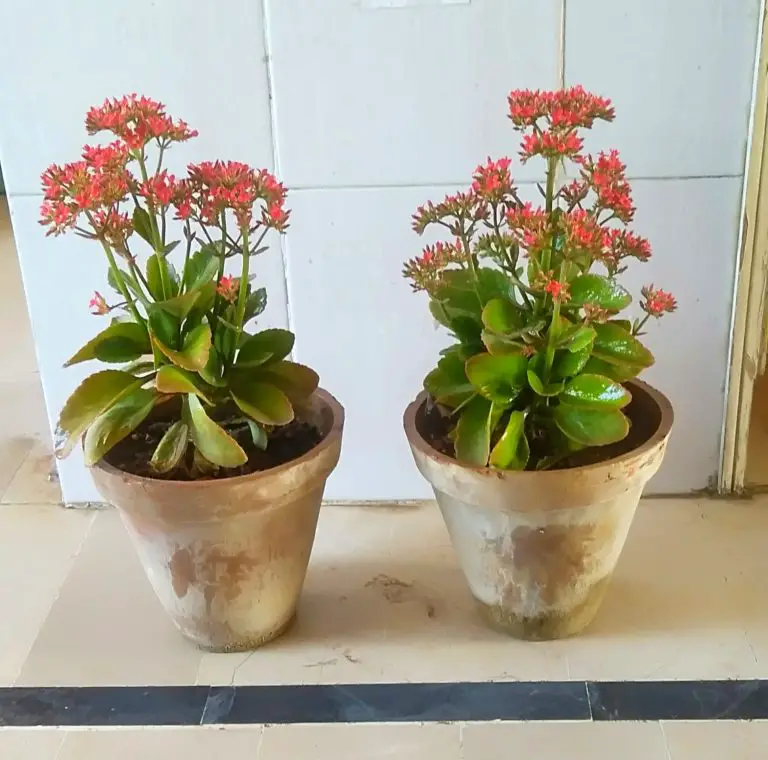
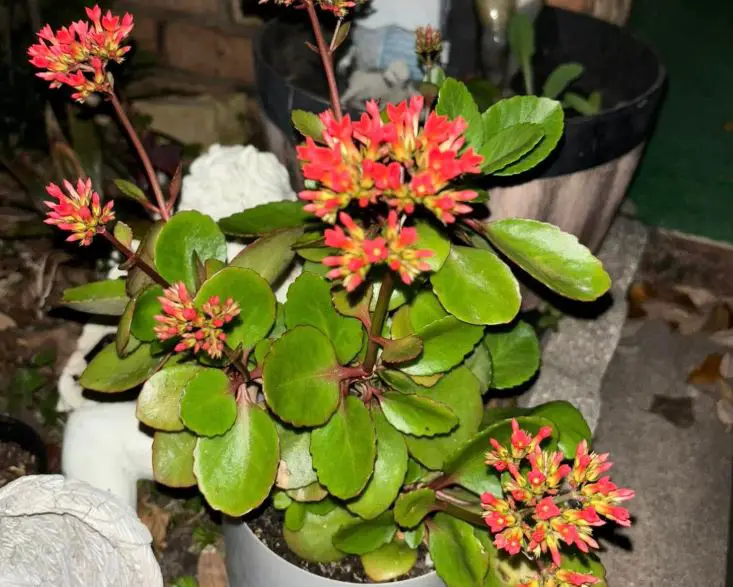
When I brought my first Flaming Katy (Kalanchoe blossfeldiana) home, I was impressed by its vibrant blooms. Those red, pink, and yellow flowers screamed pure joy. But within weeks, those blooms faded, and the leaves looked leggy.
What went wrong? I was clueless about its light needs.
Flaming Katy, also called the Christmas kalanchoe, and florist kalanchoe, is a succulent from Madagascar, where it basks in bright sunlight. In our homes, replicating those conditions is crucial for its health.
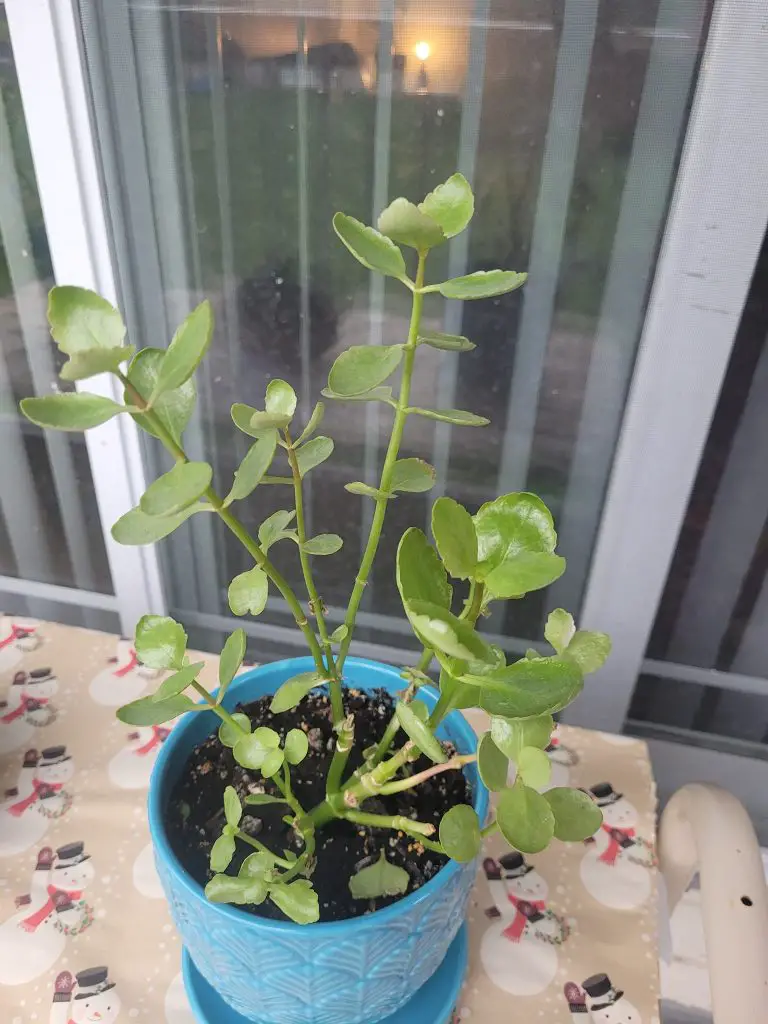
Too little light, florist kalanchoe gets leggy with sparse blooms. Too much, and its leaves scorch.
I learned this the hard way when I stuck my Katy in a dim corner, thinking it would be fine. I was wrong – the leaves started browning. Proper light keeps kalanchoe’s leaves plump, its colors vibrant, and its flowers blooming for months.
Let’s break down how to get it right.

Flaming Katy Light Requirements -The Basics
Here’s the golden rule: Flaming Katy needs bright, indirect light for 6–8 hours daily. Think of it like a sunbather who loves the glow but hates sunburn. Here’s what that looks like in your home:
- Bright, indirect light: Place your Katy near a window where sunlight is filtered through sheer curtains. East or west-facing windows are ideal.
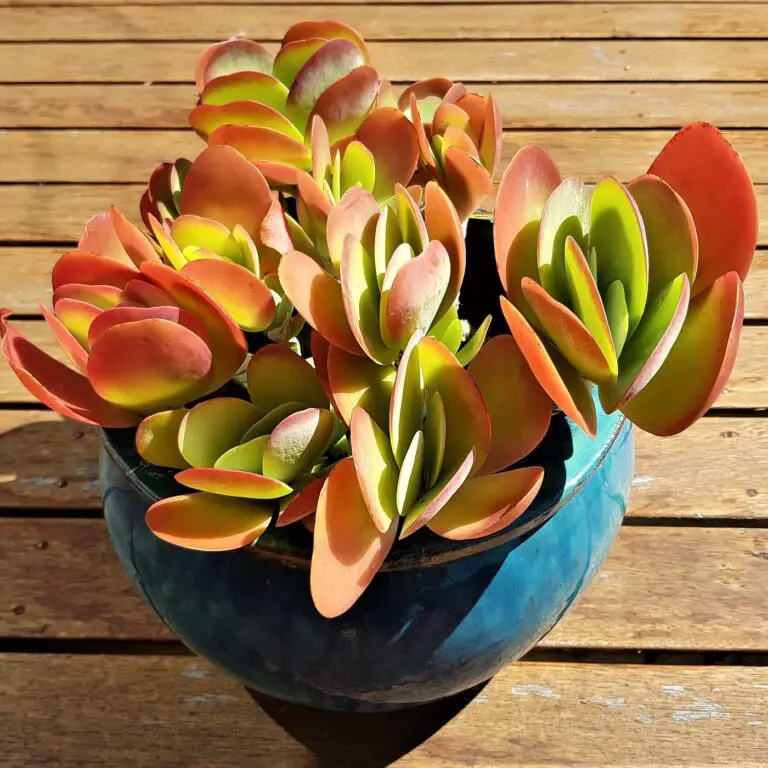
- Avoid direct sun: Too much direct sunlight, especially in summer, can burn the leaves, leaving brown, crispy spots. I once left mine on a south-facing sill in July, and it looked like it had a bad tan.
- Supplement in low light: If your home lacks natural light (hello, city apartments), a grow light can save the day. I use a full-spectrum LED grow light for 10–12 hours daily when my windows don’t cut it.
Your Flaming Katy’s light needs depend on your region, home setup, and season. Here’s how to adjust:
Sunny Regions (such as California, Arizona, Texas)
In sun-soaked states, place your Katy 2–3 feet from a south or west-facing window with sheer curtains to diffuse the light. Direct sun in these areas can be intense, especially in summer.
In my friend’s San Diego apartment, her Katy thrived on a west-facing windowsill with a thin curtain. Without it, the leaves started browning.
Pro tip: Rotate the pot every week for even light exposure. This keeps the plant from leaning toward the sun.
Cloudy Regions (such as the Pacific Northwest, the Great Lakes)
In places like Seattle or Chicago, maximize light by placing your Katy right by an east or west-facing window. If it’s still too dim, consider a grow light. I use a 20W LED grow light about 12 inches above my plant for 10–12 hours daily.
Pro tip: Check out Cornell University’s guide to indoor lighting for grow light recommendations.
Urban Apartments (New York, Boston)
Small spaces often mean limited windows. Place your Katy as close to a bright window as possible. If tall buildings block light, a grow light is a must. Reflective surfaces like mirrors can also bounce light onto your plant.
Pro tip: Avoid north-facing windows—they’re too dim for Flaming Katy’s needs.
Seasonal Changes
During Spring and Summer, longer days mean more light. Move your Katy closer to the windows, but watch for intense afternoon sun. I pull mine back a foot in June to avoid scorching.
In the Fall and Winter, shorter days and weaker sunlight can starve your Katy. Move it to the brightest spot possible or use a grow light. In winter, I noticed my Katy needed 12 hours of light to keep blooming.
Encouraging Blooms with Light
Kalanchoe blossfeldiana’s flowers are its claim to fame, but they’re picky about light. I know how it worries when your Flaming Katy is not producing flowers. To trigger blooming, it needs a specific light-dark cycle, especially in fall and winter.
Flaming Katy blooms best with 12–14 hours of darkness daily for 6–8 weeks. In nature, this happens in winter. In your home, you can mimic it by covering the plant or moving it to a dark room at night.
I put my Katy in a closet from 6 PM to 8 AM starting in October. By December, it’s bursting with blooms. You can also use a black cloth to cover it. Avoid artificial light at night.
Streetlights or indoor lamps can disrupt the dark cycle. I once left my Katy near a bright hallway light, and it refused to bloom.
Signs Your Flaming Katy’s Light Is Off
I’ve made every light-related mistake with my Katy, so let me help you spot trouble early:
Too Little Light
- Signs: Leggy stems, sparse leaves, pale or yellowing foliage, no blooms.
- Fix: Move it to a brighter spot or add a grow light. I repositioned my Katy to an east window, and within weeks, it perked up.
Pro tip: If leaves are stretching toward the window, it’s begging for more light.
Too Much Light
- Signs: Brown, crispy leaf edges; faded or scorched spots; wilting despite watering.
- Fix: Move it farther from the window or add a sheer curtain. When my Katy got sunburned, I relocated it 3 feet from a south window, and it recovered.
Pro tip: Check leaves regularly for discoloration, especially in summer, and adjust light and the watering schedule accordingly.
Choosing the Right Spot in Your Home
My Flaming Katy sits proudly on my kitchen counter, blooming like a champ every winter. Its flowers brighten my mood when it’s freezing outside. Even when I’ve messed up the light (like that time I left it in a dark hallway), it bounced back with a little TLC.
For beginners, it’s the perfect plant—low-maintenance, colorful, and adaptable to our varied homes. Finding the perfect spot for your Flaming Katy is a game-changer.
Here’s a quick guide:
- Living rooms: Place near east or west windows with filtered light. Avoid spots near radiators or AC vents, which can dry it out.
- Kitchens: My favorite spot! Kitchen windows often get great light, and the humidity from cooking helps. Just keep it away from hot stoves.
- Bedrooms: Ideal if you have a bright window. I keep mine on a bedside table near a west window, and it’s thriving.
- Bathrooms: Only works if there’s a window with bright light. High humidity is a bonus, but dim bathrooms won’t cut it.
Using Grow Lights for Flaming Katy
If your home lacks natural light, grow lights are a game-changer. I started using one during a dark winter, and my Katy went from sad to spectacular. Here’s what to know:
- Type: Full-spectrum LED grow lights mimic natural sunlight. I use a 20W Sansi bulb, affordable and effective.
- Placement: Position 6–12 inches above the plant. Too close burns the leaves; too far weakens the light.
- Duration: Aim for 10–12 hours daily in low-light seasons. Use a timer to make it easy.
- My experience: My grow light setup cost $30, and it’s paid off with year-round blooms. Check out my guide for budget-friendly succulent grow light options.
Common Light Mistakes to Avoid
I’ve botched the light game before, so here’s what not to do:
- Don’t assume all windows work. North-facing windows are too dim, and south-facing ones can be too intense without filtering.
- Don’t forget to rotate. Uneven light makes Katy lopsided. I rotate mine every few days.
- Don’t leave it in direct sun. Summer sun through a south window can fry your plant in hours.
- Don’t disrupt the dark cycle for blooms. Artificial light at night can prevent flowering. Keep it in a dark spot at night during fall.
FAQs
Here are answers to common queries about Flaming Katy’s light needs, based on my experience and expert advice.
How much light does Flaming Katy need?
It needs 6–8 hours of bright, indirect light daily. East or west-facing windows are best. Use a grow light in dim homes.
Can Flaming Katy survive in low light?
It can survive but won’t thrive. Low light causes leggy growth and no blooms. Supplement with a grow light for 10–12 hours daily.
Why isn’t my Flaming Katy blooming?
It likely needs more darkness at night. Ensure 12–14 hours of uninterrupted darkness for 6–8 weeks to trigger blooms.
Can I put my Flaming Katy outside?
Yes, in spring or summer, but place it in a shaded spot with indirect light. Direct sun can burn it. I bring mine indoors at night to avoid cool temperatures.
Do grow lights really work for Flaming Katy?
Absolutely! Full-spectrum LED grow lights mimic sunlight and keep your Katy happy in low-light homes. I’ve used them for years with great results.
Suggested For You:
5 Common Flaming Katy Pests and How to Stop Them
Helpful: How to Save Your Overwatered Flaming Katy Plant
7 Reasons Your Flaming Katy Isn’t Blooming (And How to Fix It)
Beginners Guide: How to Prune Flaming Katy for Bushier Growth
6 Reasons Your Kalanchoe Leaves are Falling Off and How to Fix
Final Thoughts
Getting the light right for your Flaming Katy is the secret to vibrant blooms and healthy growth in your home. Aim for 6–8 hours of bright, indirect light, adjust for your region and season, and use grow lights if needed.
My Katy’s been a star in my home, and with these tips, yours can be too.

Tim M Dave is a gardening expert with a passion for houseplants, particularly cacti and succulents. With a degree in plant biology from the University of California, Berkeley, he has vast experience in gardening. Over the years, he has cultivated a vast collection of desert plants and learned a great deal about how to grow and care for these unique companions.