9 Common Fire Chief Arborvitae Problems: Every Issue You Need to Know
The Fire Chief arborvitae (Thuja occidentalis ‘Congabe’) is one of those plants that stops people in their tracks.
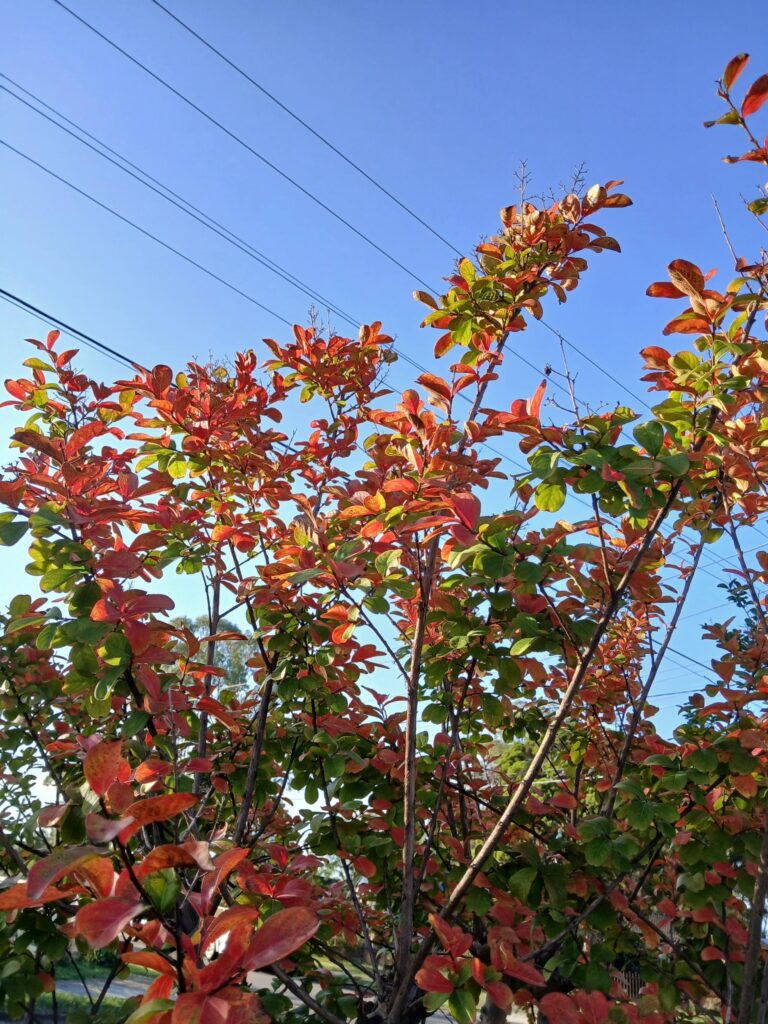
Its dense, globe-shaped form and vivid color — deep green in summer, shifting to rich copper-orange and fiery red in winter — make it genuinely unlike most other shrubs in the landscape. It is compact, low-maintenance by reputation, and adds year-round structure to gardens of almost any size.
But here is what most people discover after planting one: “low-maintenance” does not mean “problem-free.”
Fire Chief arborvitae has specific needs. When those needs are not met, it makes its unhappiness very visible — through browning foliage, pest damage, root failure, or slow unexplained decline.
I have seen beautiful specimens deteriorate within a single growing season simply because one or two key conditions were consistently wrong.
This guide covers every significant Fire Chief arborvitae problem in full detail. It explains what causes each issue, how to recognize it, and what to do about it.
What Is the Fire Chief Arborvitae?
Before diagnosing problems, a quick introduction is useful.
The Fire Chief arborvitae is a dwarf cultivar of eastern arborvitae (Thuja occidentalis), bred specifically for its dramatic seasonal color change and compact, rounded growth habit. It typically reaches 60 to 90 cm (2 to 3 feet) in height and width at maturity, making it suitable for foundation planting, low hedges, container gardening, and mixed shrub borders.
It is hardy in USDA Zones 3 through 8, which is an impressively wide range. That cold hardiness is one of its great strengths. But hardiness does not mean adaptability to any soil or situation — and this is where many growers go wrong.
1. Browning Foliage: The Most Reported Problem
Browning is, without question, the most common complaint among Fire Chief arborvitae owners. It is also the most misunderstood — because brown foliage can result from at least half a dozen different causes, and treating the wrong one wastes valuable time.
Natural Seasonal Browning
Before assuming something is wrong, it is worth knowing that some interior browning is completely normal. Arborvitae — like most conifers — periodically shed older interior foliage. This typically happens in late summer or autumn and affects the inner portions of the shrub closest to the main stems.
If browning is confined to the interior, appears in late summer, and the outer foliage looks healthy, this is almost certainly natural foliage cycling. No treatment is needed.
Winter Browning and Desiccation
Winter desiccation — also called winter burn — is one of the most common causes of browning on Fire Chief arborvitae in colder climates. It occurs when cold, dry winds pull moisture from the foliage while the roots are frozen or dormant in the soil and cannot resupply it.
The damage appears in late winter or early spring, typically on the windward side of the plant or on the most exposed outer foliage. Browning can range from minor tip damage to whole-plant desiccation in severe cases.
Prevention is far more effective than correction:
- Water deeply in late autumn before the ground freezes. This is the single most effective preventive measure.
- Apply an anti-desiccant spray (such as Wilt-Pruf) to foliage in late November when temperatures are just above freezing.
- Install a burlap screen on the windward side of the plant if it is in an exposed location. Do not wrap the plant tightly — air circulation matters.
Drought Stress
Fire Chief arborvitae needs consistent soil moisture, particularly during its first two to three years while the root system establishes. Extended dry periods cause the foliage to brown from the tips inward, often beginning on the most sun-exposed side.
Newly planted specimens are the most vulnerable. Their root systems are still confined to the original root ball and cannot access the broader soil moisture reserves that established plants rely on.
Water deeply and slowly rather than frequently and shallowly. Deep watering encourages deeper rooting, which improves long-term drought resilience.
Overwatering and Soggy Soil
Browning from overwatering is less common than drought-related browning, but it is more serious when it occurs — because it leads directly to root rot.
When soil is consistently waterlogged, roots are deprived of oxygen and begin to die. As roots fail, the foliage browns and the plant declines. The important distinction: soggy soil browning tends to be more uniform across the whole plant, while drought browning often starts on one side.
If the soil around your Fire Chief feels wet days after the last rainfall or irrigation, drainage improvement is essential.
2. Root Rot
Root rot is the most serious problem Fire Chief arborvitae can face, and it is almost always a consequence of poorly drained or consistently overwatered soil.
The primary pathogen is Phytophthora cinnamomi and related water mold species — soil-borne organisms that thrive when oxygen levels in the root zone drop due to waterlogging. They destroy the fine feeder roots first, then progress to the main structural roots, and eventually attack the crown.
Symptoms to Watch For
- Progressive browning and dieback that does not respond to watering
- Foliage that looks dull, pale, or lifeless before turning brown
- Soft, dark, or mushy roots when soil around the base is excavated
- Discolored, dark tissue at the base of the main stem at soil level
- A sour or musty smell from the soil
The Dangerous Misdiagnosis
Root rot is frequently mistaken for drought stress, because both conditions result in the canopy not receiving enough water. Gardeners often respond to root rot symptoms by watering more — which accelerates the disease. Always assess drainage and root health before increasing irrigation.
Prevention and Management
- Plant in well-drained soil. This is non-negotiable. If your soil drains poorly, amend it with coarse grit and organic matter before planting, or build a slightly raised planting area.
- Never plant too deeply. The root flare must remain above the soil surface. Deep planting traps moisture against the crown — the most common entry point for Phytophthora.
- Keep mulch away from the stem. Mulch is beneficial for moisture and temperature regulation, but piling it against the trunk creates persistently moist conditions that invite crown rot.
- For early-stage infections, phosphonate fungicides (potassium phosphite) applied as a soil drench can slow disease progression. These are available through certified arborists and some garden centres.
- Severely affected plants may not recover. Removal and replacement with a better-draining site or a more tolerant species may be the most practical option.
3. Bagworms
Bagworms (Thyridopteryx ephemeraeformis) are among the most damaging pest insects affecting arborvitae in North America, and Fire Chief is fully susceptible.
These caterpillars construct portable silk bags camouflaged with bits of plant material. They feed on foliage while protected inside the bag, stripping branches methodically. A heavy infestation can defoliate entire sections of the plant, and because arborvitae cannot regenerate foliage from bare wood, that damage is often permanent.
What makes bagworms particularly problematic is their stealth. The bags blend remarkably well into the foliage, and damage can be extensive before it is noticed.
Signs of Bagworm Infestation
- Small (2–5 cm), spindle-shaped bags hanging from branches — built from chewed foliage and silk
- Bare, brown, stripped branches where feeding has occurred
- Bags persisting on the plant through winter (each bag contains hundreds of eggs)
Management
- Hand-pick bags in late autumn, winter, or early spring — before eggs hatch in late May to early June. Destroy them; do not simply drop them on the ground.
- Apply Bacillus thuringiensis var. kurstaki (Btk) when caterpillars are young (typically late May to mid-June). Btk is a biological insecticide highly effective on young caterpillars but harmless to birds, mammals, and beneficial insects.
- For larger caterpillars or heavy infestations, spinosad-based insecticides are effective.
- Check plants every year. Populations rebuild quickly from missed bags.
4. Spider Mites
Spider mites — particularly the spruce spider mite (Oligonychus ununguis) — are a serious and sometimes overlooked threat to Fire Chief arborvitae. Unlike many pest mites, this species is a cool-season mite, most active in spring and autumn rather than during summer heat.
By the time visible damage is obvious, mite populations may already be large.
Symptoms
- Foliage loses its rich color, becoming dull, stippled, or bronzed
- Fine silken webbing visible between branches in moderate to heavy infestations
- Premature browning and needle drop
- A gritty or dusty texture to the foliage surface
Diagnostic Test
Hold a white sheet of paper under a branch and tap it sharply. If tiny moving specks — smaller than a pinhead — appear and walk across the paper, those are spider mites. This simple test can detect infestations before they become visually dramatic.
Management
- Avoid broad-spectrum insecticides — they eliminate the natural predator insects that keep mite populations in check, often causing mite populations to explode.
- Horticultural oil or insecticidal soap sprays, applied to all foliage surfaces including undersides, are effective. Repeat applications every 7–10 days for two to three rounds.
- Ensure the plant is not under drought stress. Stressed plants are dramatically more susceptible to mite damage.
- For severe or recurring infestations, a miticide application may be needed. Consult a certified arborist for product recommendations.
5. Scale Insects
Several scale insect species attack arborvitae, including juniper scale (Carulaspis juniperi) and the obscure scale. These insects attach to stems and foliage, feeding on plant sap beneath protective waxy shells.
Because they do not move and closely resemble natural plant texture, scale infestations are easy to miss until they are already significant.
Symptoms
- Yellowing or browning of individual foliage sprays
- Tiny, hard bumps or waxy deposits on stems and foliage
- Sticky honeydew residue, sometimes followed by black sooty mold growth
- Dieback of individual branches in heavy infestations
Management
- Dormant oil sprays in late winter (before growth resumes) smother overwintering populations effectively.
- During the growing season, target the brief crawler stage — when juvenile scales are mobile and not yet protected under their shells. Horticultural oil or insecticidal soap is highly effective at this stage.
- Systemic insecticides can be used for persistent or severe infestations.
6. Tip Blight (Kabatina and Pestalotiopsis)
Tip blight is a fungal disease affecting the growing tips of arborvitae foliage. It is caused primarily by Kabatina thujae and related fungi, and it thrives in cool, wet spring conditions.
Symptoms
- Browning begins at the tips of new growth and progresses toward the stem
- Infected tissue collapses and dies, leaving grey-brown, papery shoot tips
- Small, dark fungal fruiting bodies may be visible on infected tissue with a hand lens
- Lower portions of the plant are often most affected, as these receive less airflow
Management
- Remove and destroy infected plant material. Do not compost diseased tissue.
- Improve air circulation around the plant by avoiding dense crowding with neighbouring plants.
- Avoid overhead irrigation — wet foliage promotes fungal germination and spread.
- Copper-based fungicide sprays in early spring can reduce new infections if the plant has a documented history of tip blight.
7. Canker Diseases
Canker diseases, caused by fungi such as Seiridium and Cytospora species, occasionally affect arborvitae. Cankers are localized areas of dead bark on stems or branches — they kill the tissue above the canker by blocking water and nutrient flow.
Canker fungi typically enter through wounds — pruning cuts, insect damage, hail injuries, or mechanical damage from string trimmers and lawn mowers. They are strongly associated with stressed or weakened plants.
Symptoms
- Sunken, discolored, or cracked patches of bark on branches or the main stem
- Resin or sap oozing from the affected area
- Dieback of the branch above the canker point
- No recovery in the branch even after watering and care improvements
Management
- Prune infected branches well below the canker into healthy wood. Sterilize cutting tools between every cut.
- Protect the plant from unnecessary wounds — keep lawn equipment away from the base, and avoid pruning during drought or heat stress.
- No curative fungicide exists for established cankers. Prevention through healthy plant maintenance is the primary strategy.
8. Animal Damage: Deer and Rodents
Fire Chief arborvitae, like most arborvitae cultivars, is attractive to deer — particularly in winter when other food sources are scarce. Deer browsing can remove foliage rapidly and damage the plant’s overall form. Because arborvitae cannot regenerate from bare wood, heavily browsed plants may never fully recover their shape.
Voles and mice can cause serious damage at ground level, girdling the base of the stem beneath snow cover. Girdling — the removal of bark in a complete ring around the stem — severs the flow of water and nutrients, and is often fatal.
Protection Measures
- Install wire mesh guards (hardware cloth, 6 mm mesh) around the base of the plant from ground level to at least 60 cm high to protect against rodents.
- Use deer repellent sprays consistently through winter, reapplying after rain. Rotating between different repellent products reduces habituation.
- For high-deer-pressure areas, a physical barrier — a simple wire cage around individual plants — is the most reliable protection.
- Keep mulch pulled back from the stem to discourage rodent nesting.
9. Salt Damage
Road salt and de-icing chemicals are a serious and underappreciated problem for Fire Chief arborvitae planted near driveways, sidewalks, or roads. Salt accumulates in the soil through runoff or direct spray from passing traffic and causes osmotic drought — drawing moisture away from roots even when adequate water is present.
Salt damage symptoms resemble drought stress: browning of foliage, tip dieback, and overall lack of vigour, typically most severe on the side of the plant facing the road or driveway.
Management
- Avoid planting arborvitae within 3 meters of salted surfaces if heavy de-icing is used in winter.
- Flush the root zone with deep irrigation in early spring to dilute accumulated salt concentrations.
- Use sand or kitty litter rather than salt on surfaces near arborvitae where possible.
- For roadside plantings, a barrier of burlap or snow fence can intercept salt spray before it reaches the plant.
The Right Growing Conditions for Fire Chief Arborvitae
Understanding problems is only half the picture. The other half is knowing what conditions allow this plant to thrive — and setting those conditions up correctly from the beginning.
Light Requirements
Fire Chief arborvitae performs best in full sun to partial shade. At least four to six hours of direct sunlight per day is ideal for the densest growth and most vivid seasonal color.
In heavy shade, the plant becomes loose and open in structure, and the characteristic winter color change is significantly less vibrant. The more sun it receives, the more dramatic the transition from summer green to winter copper-red will be.
In very hot climates (Zones 7 and 8), afternoon shade can help reduce heat and moisture stress during the hottest months.
Soil Requirements
Well-drained, moderately fertile soil with a slightly acidic to neutral pH (6.0 to 7.5) is ideal. Fire Chief is reasonably adaptable to different soil types — including clay — provided drainage is adequate.
Poor drainage is the single greatest soil-related threat to this plant. If your soil is heavy clay or known to hold water, amend it before planting or build a slightly raised planting area. Even a few extra centimetres of elevation can make a meaningful difference in drainage.
Soil testing every three to five years is a worthwhile investment. It takes the guesswork out of fertilization and soil amendment decisions.
Watering
Fire Chief arborvitae needs consistent moisture, particularly during its establishment period (the first two to three years after planting). Once established, it has moderate drought tolerance, but it will not thrive under prolonged dry conditions.
Water deeply and infrequently. Allow the top few centimetres of soil to dry slightly between waterings. Never allow the soil to become either bone-dry or persistently soggy.
Drip irrigation or soaker hoses are preferable to overhead sprinklers, as keeping foliage dry reduces the risk of fungal diseases.
Mulching
A 5–8 cm layer of organic mulch over the root zone — extending to the drip line — is one of the most beneficial things you can do for a Fire Chief arborvitae. Mulch:
- Retains soil moisture between waterings
- Moderates soil temperature in both summer and winter
- Slowly improves soil structure as it decomposes
- Reduces competition from weeds and grass
Always keep mulch at least 10 cm away from the main stem. Mulch piled against the trunk — the so-called “mulch volcano” — traps moisture against the crown and invites disease.
Fertilization
Fire Chief arborvitae does not require heavy feeding. In most garden soils, a single application of a balanced, slow-release fertilizer in early spring is sufficient. A formulation designed for evergreens or acid-loving plants (such as a 10-8-6 or similar) is appropriate.
Avoid fertilizing in late summer or autumn — late-season feeding stimulates tender new growth that is vulnerable to cold damage.
Do not over-fertilize. Excess nitrogen promotes fast, soft growth that is more susceptible to disease and less cold-hardy. More is not better with this plant.
Temperature and Hardiness
Fire Chief arborvitae is rated for USDA Zones 3 through 8 — meaning it tolerates temperatures as low as -40°C (-40°F) in northern zones. This is exceptional cold hardiness.
However, cold hardiness and wind hardiness are not the same thing. Even a Zone 3-hardy plant will suffer winter desiccation in exposed, windy sites. Siting the plant where it receives some wind protection in winter significantly reduces the risk of cold-season browning.
Spacing and Air Circulation
Adequate spacing is important for both plant health and aesthetic effect. Fire Chief arborvitae should be spaced at least 60 to 90 cm from neighbouring plants and structures to allow adequate airflow. Poor air circulation traps humidity around the foliage, promoting fungal diseases including tip blight and canker.
Avoid planting in low-lying areas where cold air pools in winter — these frost pockets increase the risk of late-spring cold damage to new growth.
Pruning
Fire Chief arborvitae requires minimal pruning under normal circumstances. Its naturally compact, rounded form means that in most settings, no regular shaping is needed at all.
If light shaping is desired — to maintain a specific form or to remove damaged material — prune in late spring after new growth has hardened or in early autumn before cold weather arrives. Never cut into bare, leafless wood. Unlike broadleaf shrubs, arborvitae cannot regenerate foliage from old wood. Every cut should remain within actively growing, green tissue.
Final Thoughts
The Fire Chief arborvitae is a genuinely rewarding plant when it is happy. That winter transformation from summer green to glowing copper-red is one of the more striking things a small garden shrub can do. I find it hard not to appreciate.
Most of the problems this plant faces are preventable with correct siting and consistent, informed care. The ones that do arise are manageable when caught early. Browning, root rot, pests, and disease all communicate clearly if you know what to look for.
Give this plant well-drained soil, enough sun, consistent moisture, and protection from winter wind — and it will reward you with decades of reliable structure, beauty, and seasonal drama.
That is a worthwhile trade.
References
- University of Illinois Extension — Arborvitae (Thuja) https://extension.illinois.edu/trees-shrubs-vines/arborvitae
- Penn State Extension — Bagworm https://extension.psu.edu/bagworm
- Clemson University Cooperative Extension — Arborvitae Diseases and Insect Pests https://hgic.clemson.edu/factsheet/arborvitae-diseases-insect-pests/
- North Carolina State University Extension — Thuja occidentalis ‘Congabe’ (Fire Chief Arborvitae) https://plants.ces.ncsu.edu/plants/thuja-occidentalis-congabe/
- University of Minnesota Extension — Protecting Landscape Plants from Winter Injury https://extension.umn.edu/planting-and-growing-guides/winter-injury-trees-and-shrubs

Tim M Dave is a gardening expert with a passion for houseplants, particularly cacti and succulents. With a degree in plant biology from the University of California, Berkeley, he has vast experience in gardening. Over the years, he has cultivated a vast collection of desert plants and learned a great deal about how to grow and care for these unique companions.