Fiddle Leaf Fig Root Rot: Saving Your Plant From The Silent Killer
Root rot is a condition where a plant’s roots decay, often due to excess moisture and poor drainage. For fiddle leaf figs, it’s a death sentence if left unchecked. The roots turn black or brown, become mushy, and can no longer absorb water or nutrients, starving the plant.
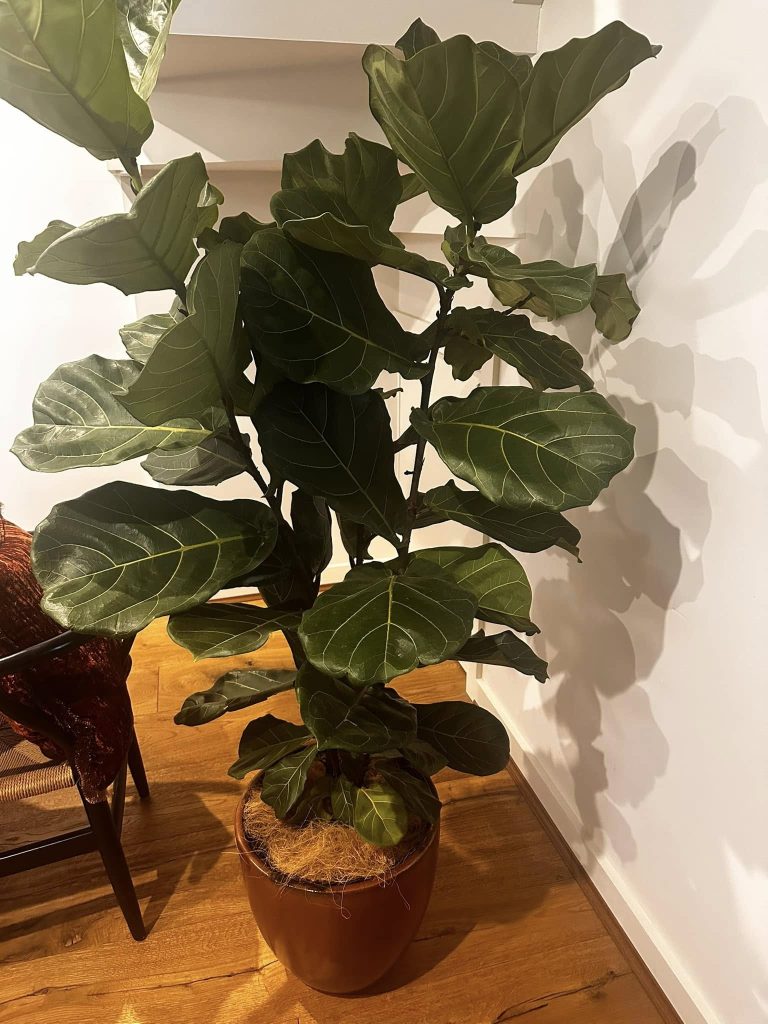
I still remember the sinking feeling when I noticed my fiddle leaf fig, lovingly named Fiona, looking droopy and sad. Her once-vibrant leaves were yellowing, and a quick peek at the roots revealed a mushy, black mess. Root rot had struck.
The root rot diagnosis was a wake-up call. After trimming her roots, repotting, and adjusting her care, Fiona bounced back stronger than ever. Now, she’s the star of my living room, with glossy leaves that make me proud every day. If I can save Fiona, you can save your fiddle leaf fig too.

Causes of Fiddle Leaf Fig Root Rot
Fiddle leaf figs are dramatic divas. One wrong move, and their roots can start rotting. Here are the main culprits:
1. Overwatering: The Biggest Offender
I’ll admit it—I overwatered Fiona when I first got her. Overwatering is the leading cause of root rot in fiddle leaf figs. Too much water suffocates the roots, creating a breeding ground for fungi like Phytophthora or Rhizoctonia.
- Why it happens: Many of us water on a schedule (say, every Sunday) without checking if the soil is dry. In American homes, low light in winter or air-conditioned rooms can slow the plant’s water uptake.
- Signs: Yellowing or wilting leaves, black spots, a musty smell from the soil, or mushy roots.
- Fix: Water only when the top inch of soil is dry. Use a pot with drainage holes and well-draining soil (like a mix of potting soil, perlite, and bark).
2. Poor Drainage: Trapping the Water
Even if you’re careful with watering, a pot without drainage holes or heavy, compacted soil can trap moisture, leading to root rot. I learned this after repotting Fiona into a decorative pot with no holes—big mistake.
- Why it happens: Water pools at the bottom of the pot, keeping roots soggy. Heavy soils like pure potting mix without aeration retain too much water.
- Signs: Soil stays wet for days, or water sits in the saucer after watering.
- Fix: Always use a pot with drainage holes. Mix in perlite, pumice, or orchid bark to improve drainage.
3. Fungal Infections: The Silent Spreaders
Fungi thrive in wet, poorly aerated soil. Once they infect the roots, they cause decay, spreading rot throughout the plant.
- Why it happens: Overwatering, high humidity, or poor air circulation invites fungi. American homes with closed windows in winter can worsen this.
- Signs: Black, mushy roots with a foul odor, often paired with leaf drop or black spots.
- Fix: Remove affected roots, treat with a fungicide, and improve soil and air circulation.
4. Low Light: Slowing Down Recovery
Fiddle leaf figs need bright, indirect light to stay healthy. Low light slows their metabolism, making it harder for them to recover from overwatering or root stress.
- Why it happens: In northern U.S. states like Washington or Minnesota, winter light is dim, causing plants to use less water and increasing rot risk.
- Signs: Droopy, yellow leaves paired with soggy soil.
- Fix: Move your plant to a brighter spot or use a grow light during winter.
5. Wrong Pot Size: Too Big or Too Small
A pot that’s too large holds excess soil and water, while a small pot restricts root growth. Both can contribute to root rot.
- Why it happens: Overpotting leads to waterlogged soil, while cramped roots struggle to absorb nutrients.
- Signs: Slow growth, soggy soil, or roots circling the pot tightly.
- Fix: Choose a pot 1-2 inches larger than the root ball, with drainage holes.
How to Spot Root Rot: Early Warning Signs
Catching root rot early can save your fiddle leaf fig. Here’s what to look for:
Above-Ground Signs
- Yellowing or wilting leaves, even after watering.
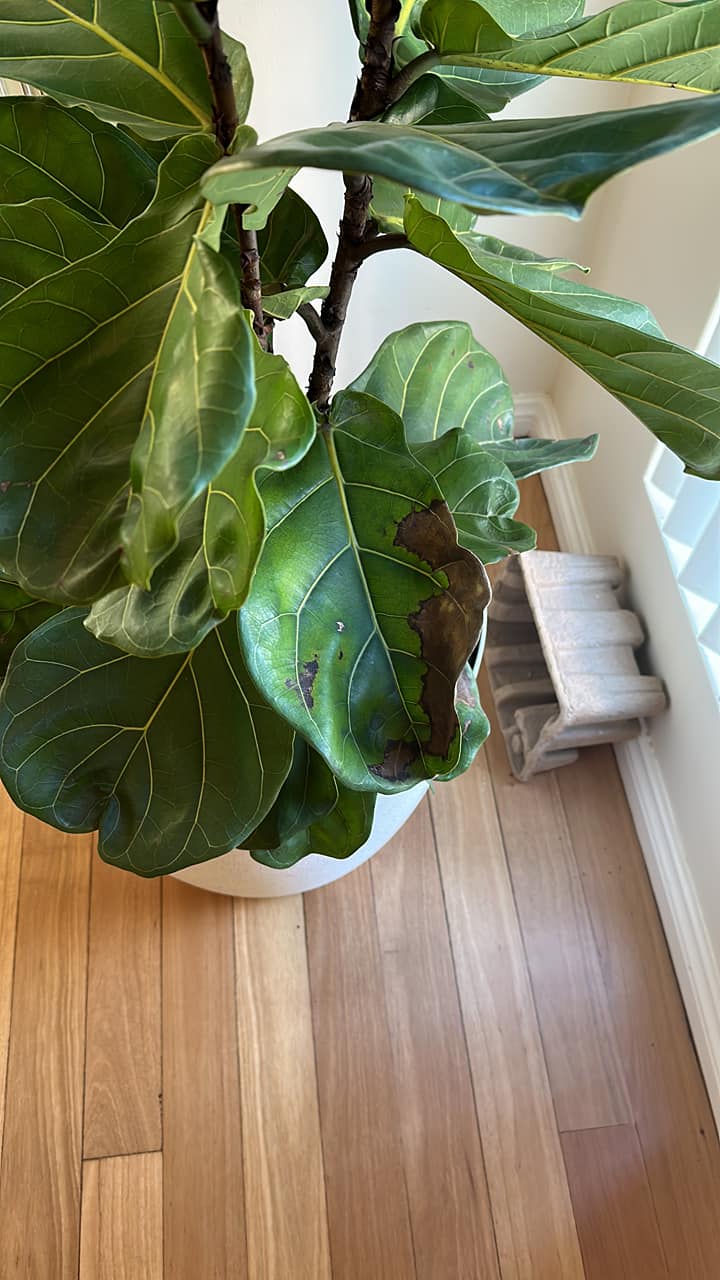
- Black or brown spots on leaves, especially near the base.
- Leaf drop, starting with lower leaves.
- Stunted growth or droopy appearance.
Below-Ground Signs
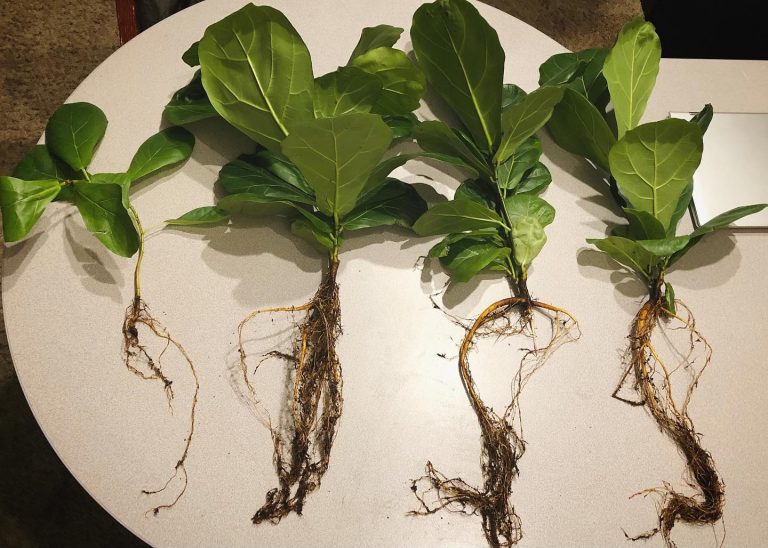
- Black, brown, or mushy roots (healthy roots are white or light tan and firm).
- A foul, rotten smell from the soil.
- Soil that stays wet for days.
To confirm, gently remove your plant from its pot. I did this with Fiona and was horrified to see half her roots were black and slimy. If you see similar signs, don’t panic—there’s hope.
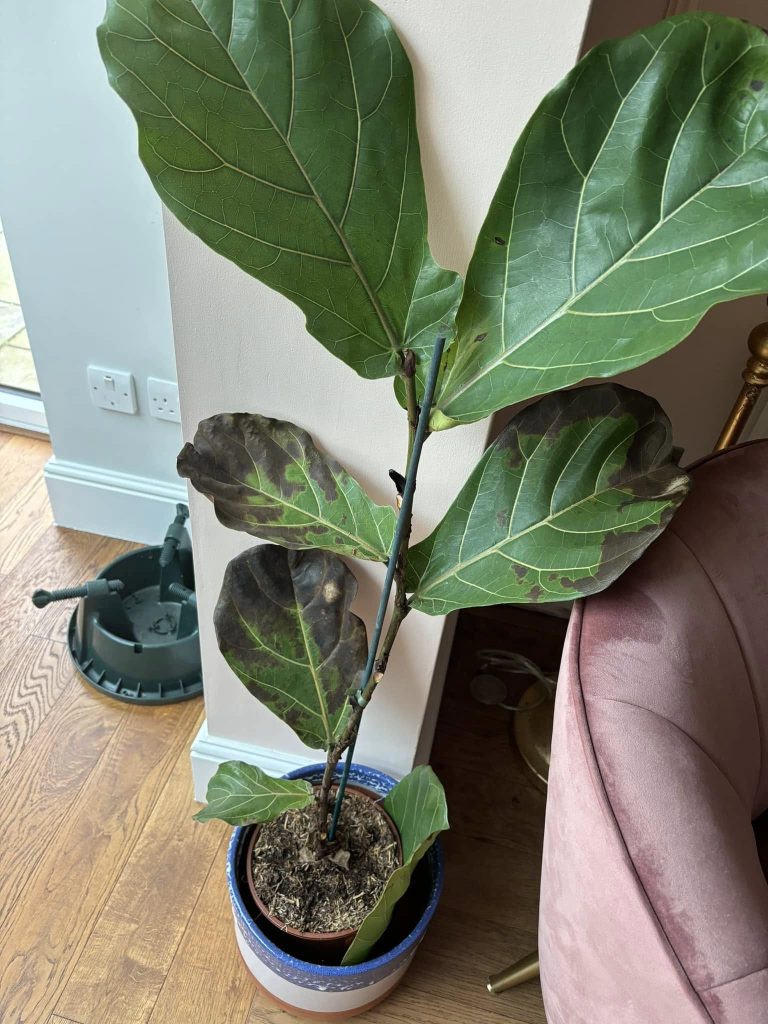
Diagnosing Root Rot: A Step-by-Step Guide
Here’s how I diagnose root rot in my fiddle leaf fig:
- Check the leaves: Are they yellow, droopy, or spotted? This is often the first clue.
- Smell the Soil: A musty or rotten odor screams root rot.
- Inspect the roots: Gently slide the plant out of its pot. Healthy roots are firm and light-colored; rotten ones are soft, dark, and smelly.
- Test soil moisture: Use your finger or a moisture meter. If the soil is consistently wet, overwatering is likely the issue.
- Assess the pot: Does it have drainage holes? Is the soil well-draining?
- Evaluate light: Is your plant getting enough bright, indirect light?
Once you’ve confirmed root rot, it’s time to act fast. Here’s how to save your fiddle leaf fig.
How to Fix Fiddle Leaf Fig Root Rot
Saving a fiddle leaf fig with root rot takes patience, but it’s doable. Here’s the step-by-step process I used to rescue Fiona:
Step 1: Remove the Plant from Its Pot
Gently slide your plant out of its pot. Shake off excess soil to expose the roots. I did this over a tarp to keep the mess contained.
Step 2: Inspect and Trim Affected Roots
Using clean, sharp scissors or pruning shears, cut away any black, mushy, or slimy roots. Healthy roots are white or light tan and firm. Sterilize your tools with rubbing alcohol between cuts to prevent spreading fungi. I lost about a third of Fiona’s roots, but it was necessary to save her.
Step 3: Treat the Remaining Roots
If fungal infection is suspected, rinse the remaining roots under lukewarm water to remove infected soil. Apply a fungicide (like a copper-based one) or dust the roots with cinnamon, a natural antifungal. I used cinnamon on Fiona, and it worked like a charm.
Step 4: Repot in Fresh Soil
Choose a clean pot with drainage holes, slightly larger than the remaining root ball. Fill it with a well-draining mix—1 part potting soil, 1 part perlite, and 1 part bark or cactus mix works well. Repot your plant, ensuring the roots are spread out and covered lightly with soil.
Step 5: Water Sparingly
Water lightly after repotting, just enough to settle the soil. Going forward, water only when the top inch of soil is dry. I check Fiona’s soil with a moisture meter to avoid overwatering.
Step 6: Optimize Light and Humidity
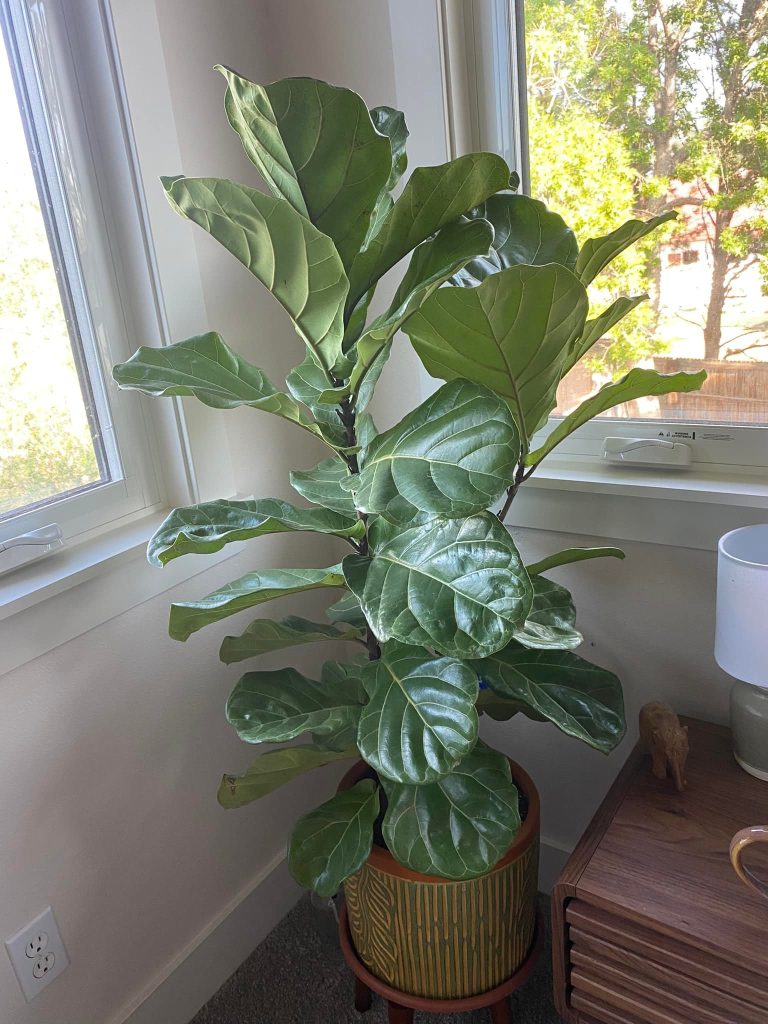
Place your plant in bright, indirect light. In my Chicago apartment, an east-facing window was perfect. Maintain 40-60% humidity, common in many American homes, using a humidifier or pebble tray if needed.
Step 7: Monitor and Prune
Remove any yellow or spotted leaves to reduce stress on the plant. Check for new growth over the next few weeks—it’s a sign your fiddle leaf fig is recovering. Fiona sprouted new leaves about a month after her root rot treatment.
Preventing Root Rot: Long-Term Care Tips
Prevention is easier than fixing root rot. Here’s how to keep your fiddle leaf fig healthy in your home:
- Water wisely: Check the soil before watering. A moisture meter is a lifesaver for beginners.
- Use the right pot: Always choose a pot with drainage holes. Terracotta pots help wick away excess moisture.
- Improve soil drainage: Mix in perlite, pumice, or bark to keep soil light and airy.
- Provide bright, indirect light: Place your plant near an east- or north-facing window, or use a grow light in low-light areas.
- Maintain humidity: Aim for 40-60% humidity. In dry climates like Arizona, a humidifier is essential.
- Avoid temperature extremes: Keep your plant away from drafty windows or heating vents. Fiddle leaf figs thrive at 65-75°F.
- Check roots annually: Repot every 1-2 years to refresh soil and inspect roots.
Fiddle Leaf Fig Care in Different American Regions
The U.S. wildly varies in climate and conditions. This can affect how you care for your fiddle leaf fig:
- Northeast (e.g., New York, Boston): Dry winter air from heating can slow water uptake. Use a humidifier and reduce watering in winter.
- South (e.g., Texas, Florida): High humidity is great, but avoid overwatering in summer. Ensure good air circulation to prevent fungal issues.
- Midwest (e.g., Chicago, Minneapolis): Low winter light can increase rot risk. Use a grow light and check soil moisture carefully.
- West (e.g., California, Arizona): Dry air is a challenge. Pair a well-draining pot with a pebble tray or humidifier.
Frequently Asked Questions (FAQs)
Q: Can a fiddle leaf fig recover from root rot?
A: Yes, if caught early. Trim affected roots, repot in fresh soil, and adjust watering and light conditions.
Q: How do I know if my fiddle leaf fig has root rot?
A: Look for yellowing or wilting leaves, a musty smell, or black, mushy roots when you check the soil.
Q: How often should I water my fiddle leaf fig to avoid root rot?
A: Water when the top inch of soil is dry, typically every 7-14 days, depending on light and season.
Q: Can I use the same pot after root rot?
A: Yes, but clean it thoroughly with a bleach solution (1:10 bleach to water) to kill fungi.
Q: Are fiddle leaf figs prone to root rot?
A: Yes, they’re sensitive to overwatering and poor drainage, making root rot a common issue.
Q: Can root rot spread to other plants?
A: Yes, if caused by fungi. Isolate your fiddle leaf fig and treat it promptly to prevent spreading.
Suuggested For You:
Fiddle Leaf Fig Leaves Curling? 8 Easy Fixes to Save Your Plant
Brown Spots on Fiddle Fig Leaves: Identification and Fixes
7 Reasons: Why Is My Fiddle Leaf Fig Dropping Leaves?
7 Reasons: Why Are My Fiddle Leaf Fig Leaves Turning Yellow?
Fiddle Leaf Fig Cultivation: Your Ultimate Guide to Growing This Stunning Houseplant
Black Spots on Fiddle Leaf Fig Leaves: Causes, Fixes, and Prevention
Final thoughts
Root rot is a scary diagnosis, but it’s not the end for your fiddle leaf fig. By catching it early, trimming affected roots, and tweaking your care routine, you can nurse your plant back to health.
In American homes, where conditions like dry air or low light can complicate care, prevention is key. My journey with Fiona taught me that with patience and attention, your fiddle leaf fig can thrive again. So, grab your pruning shears, check those roots, and give your plant the love it needs to shine.
References
- The Spruce. (2023). “How to Care for a Fiddle Leaf Fig.” https://www.thespruce.com/grow-fiddle-leaf-fig-indoors-1902756
- Missouri Botanical Garden. (2023). “Ficus lyrata Plant Care.” http://www.missouribotanicalgarden.org/PlantFinder/PlantFinderDetails.aspx?taxonid=282754

Tim M Dave is a gardening expert with a passion for houseplants, particularly cacti and succulents. With a degree in plant biology from the University of California, Berkeley, he has vast experience in gardening. Over the years, he has cultivated a vast collection of desert plants and learned a great deal about how to grow and care for these unique companions.