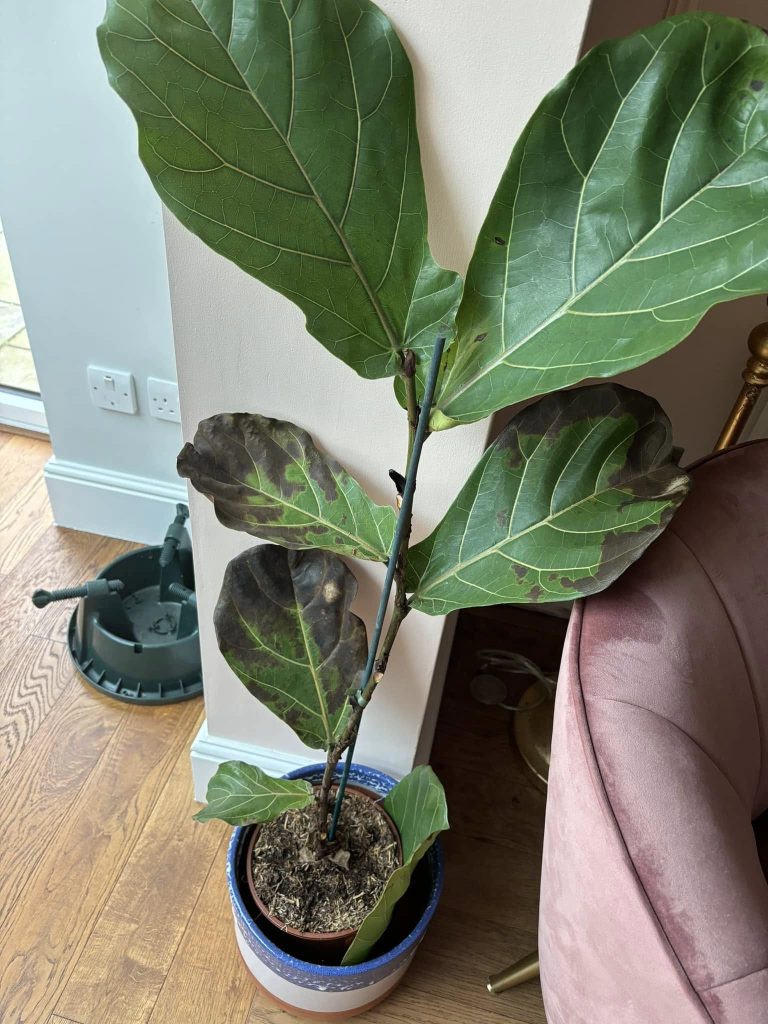
7 Reasons: Why Are My Fiddle Leaf Fig Leaves Turning Yellow?
Fiddle leaf figs are the darlings of indoor plant enthusiasts. Their large, glossy, violin-shaped leaves make them a statement piece in any home. But when those vibrant green leaves start turning yellow, it’s enough to make any plant parent panic.
I’ve been there, staring at my fiddle leaf fig, wondering what I did wrong. If you’re in the same boat, don’t worry. This guide will walk you through why your fiddle leaf fig leaves are turning yellow, how to fix it, and how to keep your plant thriving in your home.
Why Do Fiddle Leaf Fig Leaves Turn Yellow?
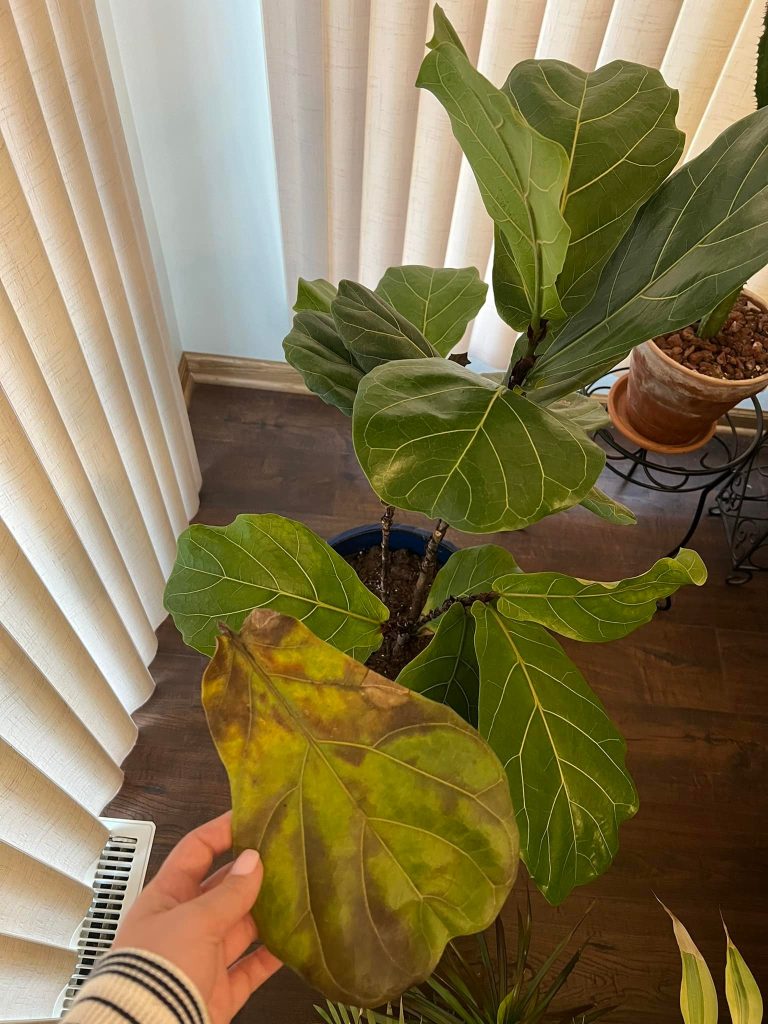
Yellowing leaves are your fiddle leaf fig’s way of waving a red flag. It’s trying to tell you something’s off. The most common reasons for yellow leaves include:
- Overwatering: Too much water is the number one culprit.
- Underwatering: Too little water can stress your plant.
- Lighting issues: Not enough light or too much direct sun can cause problems.
- Nutrient deficiency: Your plant might be hungry for nutrients.
- Environmental stress: Drafts, temperature changes, or low humidity can upset your fig.
- Pests or diseases: Bugs or infections can lead to yellowing.
- Root issues: Root rot or compacted soil can suffocate roots.
Let’s dive into each of these causes, explore how they affect your fiddle leaf fig, and share practical solutions to bring your plant back to its lush, green glory.
1. Overwatering -The Silent Plant Killer
I learned this the hard way. My first fiddle leaf fig was thriving until I got a little too enthusiastic with the watering can. A few weeks later, yellow leaves started appearing, and I was devastated.
Overwatering is the most common reason fiddle leaf fig leaves turn yellow. This is common in American homes, where we often keep plants in decorative pots without proper drainage.
Why it happens
Fiddle leaf figs (Ficus lyrata) are native to the rainforests of West Africa, where they grow in well-draining soil. When you overwater, the roots sit in soggy soil, leading to root rot. This cuts off oxygen to the roots, causing leaves to turn yellow and drop.
Signs of Overwatering
- Yellowing leaves, especially at the bottom.
- Soft, mushy stems or roots.
- Soil that stays wet for days.
- A musty smell from the pot.
How to Fix It
- Check the soil: Stick your finger an inch into the soil. If it’s wet, hold off on watering. I use a moisture meter to be sure.
- Adjust watering: Water only when the top inch of soil feels dry. In most American homes, this means watering every 1-2 weeks, depending on the season.
- Improve drainage: Ensure your pot has drainage holes. I switched to a terracotta pot, which helps wick away excess moisture.
- Repot if necessary: If the roots are mushy, trim the damaged ones with sterilized pruning shears and repot in fresh, well-draining soil. I recommend a mix of potting soil, perlite, and peat moss.
Pro Tip: In winter, when homes in places like Chicago or Boston get dry from heating, reduce watering even more. Your fiddle leaf fig’s growth slows, so it needs less water.
2. Underwatering – When Your Plant is Thirsty
On the flip side, underwatering can also cause yellow leaves. I once forgot to water my fiddle leaf fig for weeks while on vacation, and the lower leaves turned yellow and crispy. Unlike overwatering, underwatering starves your plant of the moisture it needs to thrive.
Why it Happens
Fiddle leaf figs need consistent moisture. If the soil dries out completely, the plant can’t transport nutrients to the leaves, causing them to yellow and drop.
Signs of Underwatering
- Dry, crispy leaves.
- Soil pulling away from the pot’s edges.
- Slow growth or drooping leaves.
How to Fix It
- Water thoroughly: Water until it drains out the bottom of the pot. I like to give my plant a good soak in the sink every couple of weeks.
- Set a schedule: Check the soil weekly. In warmer months, like summer in Texas or Florida, you might need to water more often.
- Monitor humidity: Fiddle leaf figs love humidity (40-60%). In dry climates like Arizona, use a humidifier or mist the leaves occasionally.
Pro Tip: If you’re forgetful like me, set a reminder on your phone to check the soil. It’s a game-changer!
3. Lighting Issues – Finding the Right Spot
Lighting is a big deal for fiddle leaf figs. I used to keep mine in a dim corner of my living room, thinking it looked cute there. The leaves started yellowing because it wasn’t getting enough light. But too much direct sunlight can also burn the leaves, causing yellow or brown spots.
Why it Happens
Fiddle leaf figs need bright, indirect light to mimic their rainforest habitat. Too little light slows photosynthesis, leading to yellow leaves. Too much direct sun scorches them.
Signs of lighting issues
- Yellowing leaves in low light, especially on the lower part of the plant.
- Brown, crispy spots from too much direct sun.
- Leaning toward a light source.
How to Fix It
- Find the right spot: Place your plant near an east, west, or north-facing window. In my apartment, a west-facing window works perfectly.
- Use sheer curtains: If you only have south-facing windows, filter the light with sheer curtains to prevent burning.
- Rotate the plant: Rotate your fiddle leaf fig every few weeks to ensure even light exposure.
- Supplement with grow lights: In darker homes, like those in Seattle during winter, a grow light can make a huge difference.
Pro Tip: If you’re unsure about light levels, use a light meter to measure foot-candles. Fiddle leaf figs thrive in 200-400 foot-candles of light.
4. Nutrient Deficiency – Feeding Your Fiddle Leaf Fig
Plants need food, too! I didn’t realize this until my fiddle leaf fig started looking pale and yellow. Nutrient deficiencies, especially nitrogen, can cause leaves to lose their vibrant green color.
Why it Happens
Indoor plants rely on you to provide nutrients since they can’t get them from the soil like outdoor plants. Over time, the soil’s nutrients deplete, leaving your fiddle leaf fig hungry.
Signs of Nutrient Deficiency
- Pale or yellow leaves, especially newer growth.
- Slow growth or small leaves.
- Weak stems.
How to Fix It
- Fertilize regularly: Use a balanced, water-soluble fertilizer like 3-1-2 NPK. I fertilize once a month during spring and summer.
- Don’t overdo it: Too much fertilizer can burn roots. Follow the package instructions.
- Repot every 2-3 years: Fresh soil provides new nutrients. I repotted my fig last year, and it’s been thriving since.
Pro Tip: Avoid fertilizing in fall and winter when your plant’s growth slows. It’s like force-feeding a hibernating bear!
5. Environmental Stress – Keeping Your Plant Comfortable
American homes can be tough on tropical plants like fiddle leaf figs. I once lived in a drafty old house, and my plant wasn’t happy near a cold window in winter. Temperature swings, drafts, and low humidity can stress your plant, leading to yellow leaves.
Why it Happens
Fiddle leaf figs prefer stable conditions: 65-75°F (18-24°C) and 40-60% humidity. Sudden changes, like moving your plant or blasting the AC, can shock it.
Signs of Environmental Stress
- Yellowing leaves after moving the plant.
- Leaf drop near vents, heaters, or drafty windows.
- Curling or drooping leaves.
How to Fix It
- Keep it stable: Place your plant away from drafty windows, doors, or air vents. My fig loves a spot near a bookshelf, away from my AC unit.
- Maintain humidity: Use a humidifier or place a tray of pebbles with water under the pot. This works wonders in dry states like Nevada.
- Avoid sudden moves: If you need to move your plant, do it gradually to avoid shock.
Pro Tip: Check your home’s humidity with a hygrometer. It’s a small investment for a happy plant.
6. Pests or Diseases – Unwanted Guests
Pests and diseases are every plant parent’s nightmare. I once found tiny webs on my fiddle leaf fig and freaked out. Spider mites were the culprit, and they were turning my leaves yellow.
Why it Happens
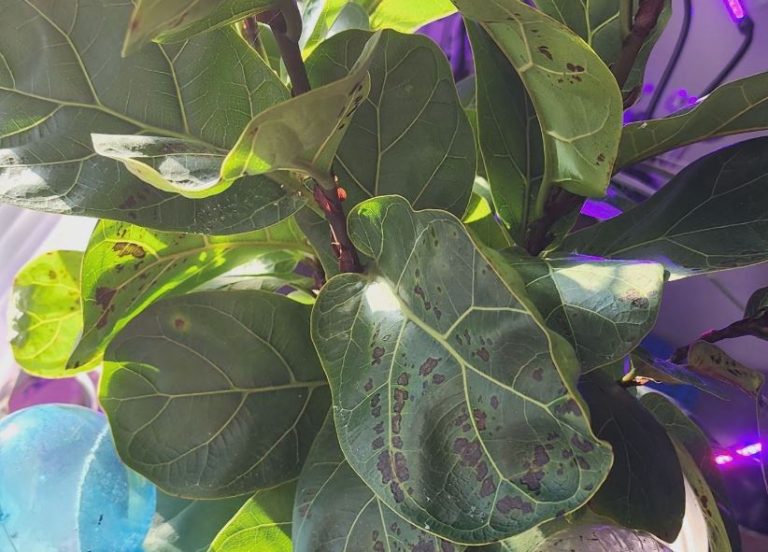
Common pests like spider mites, mealybugs, or scale can suck the sap from leaves, causing yellowing. Fungal infections or bacterial leaf spot can also cause yellow or brown spots.
Signs of Pests or Diseases
- Tiny webs (spider mites).
- White, cottony spots (mealybugs).
- Sticky residue or small bumps (scale).
- Yellow spots with a grayish-white center (bacterial leaf spot).
How to Fix It
- Inspect regularly: Check the undersides of leaves and stems. I use a magnifying glass to spot tiny pests.
- Treat pests: Wipe leaves with a damp cloth or use neem oil. I spray neem oil every few days until pests are gone.
- Isolate the plant: Keep your fiddle leaf fig away from other plants to prevent spreading.
- Treat diseases: For fungal or bacterial issues, remove affected leaves and improve air circulation. Fungicides may help, but consult a local extension service for advice.
Pro Tip: Quarantine new plants for a few weeks before placing them near your fiddle leaf fig. It’s saved me from pest disasters!
7. Root Issues – The Hidden Problem
If you’ve ruled out other causes, the problem might be underground. I once repotted my fiddle leaf fig and found compacted, rotting roots. No wonder the leaves were yellowing!
Why it Happens
Compacted soil or root rot prevents roots from absorbing water and nutrients. This can happen from overwatering, poor drainage, or not repotting regularly.
Signs of Root Issues
- Yellowing leaves despite proper care.
- Stunted growth.
- Roots circling the pot or poking out of drainage holes.
How to Fix It
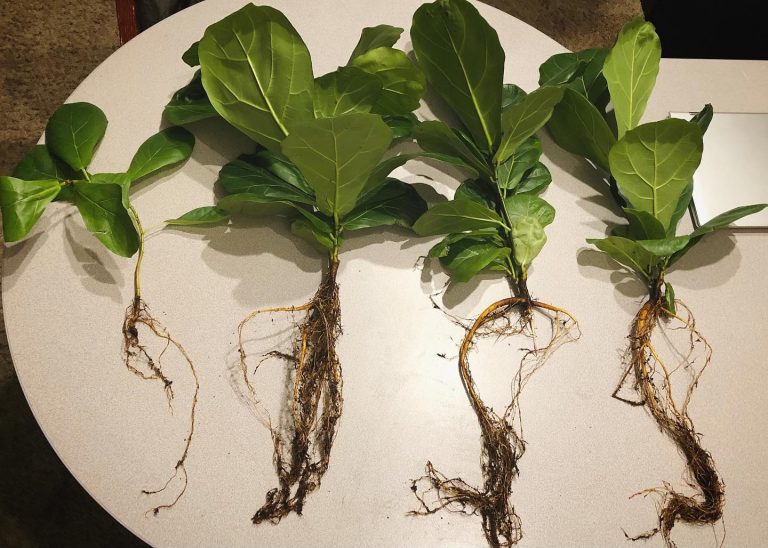
- Check the roots: Gently remove the plant from its pot. Healthy roots are white and firm; unhealthy ones are brown and mushy.
- Trim and repot: Cut away damaged roots and repot in fresh, well-draining soil. I use a mix recommended by The Sill.
- Choose the right pot: Ensure the pot is 2-3 inches larger than the root ball with drainage holes.
Pro Tip: Repot every 1-2 years to keep roots healthy. Spring is the best time, as your plant is ready to grow.
Care Tips Based on Your Geolocation
Fiddle leaf figs are popular across the U.S., but care varies by region. Here’s how to adapt to your climate:
- Northeast (e.g., New York, Boston): Winters are cold and dry from heating. Use a humidifier and keep your plant away from drafty windows.
- South (e.g., Florida, Texas): High humidity is great, but avoid overwatering in rainy seasons. Ensure good air circulation to prevent fungal issues.
- West Coast (e.g., California, Washington): Bright, indirect light is easy to find, but coastal fog can reduce light in winter. Consider a grow light.
- Midwest (e.g., Chicago, Minneapolis): Extreme temperature swings can stress your plant. Keep it in a stable spot away from heaters or AC units.
- Southwest (e.g., Arizona, Nevada): Low humidity is a challenge. Use a humidifier or pebble tray to boost moisture.
No matter where you live, your fiddle leaf fig can thrive with the right care.
Preventing Yellow Leaves – Long-Term Care Tips
When I first got my fiddle leaf fig, I was clueless. I placed it in a dark corner, watered it randomly, and ignored its needs. Yellow leaves were my wake-up call. After researching and tweaking my care routine, my plant is now the star of my living room.
It’s not perfect, I still lose a leaf now and then, but it’s thriving. If I can do it, so can you!
To keep your fiddle leaf fig healthy, follow these tips:
- Create a routine for checking soil moisture, light, and humidity weekly. Consistency is key.
- Clean the leaves, as dust can block light. I wipe my plant’s leaves with a damp cloth every month.
- Trim leggy growth to encourage bushiness.
- Monitor for pests by inspecting your plant regularly to catch issues early.
- Adjust seasonally based on your location. Reduce watering and fertilizing in fall and winter.
FAQs
Here are answers to common questions about Fiddle leaf fig leaves turning yellow.
Q: How often should I water my fiddle leaf fig?
A: Water when the top inch of soil is dry, typically every 1-2 weeks. Adjust based on your home’s light and humidity.
Q: Can yellow leaves turn green again?
A: Unfortunately, no. Once leaves turn yellow, they won’t recover. Focus on fixing the underlying issue to prevent more yellowing.
Q: Should I cut off yellow leaves?
A: Yes, remove yellow leaves with clean scissors to encourage new growth and prevent disease spread.
Q: Is my fiddle leaf fig dying if it has yellow leaves?
A: Not necessarily! Yellow leaves are a sign of stress, but with proper care, your plant can recover.
Q: Can I use tap water for my fiddle leaf fig?
A: Tap water is fine in most areas, but if your water is high in chlorine or fluoride, let it sit out for 24 hours or use filtered water.
Q: How do I know if my plant is getting enough light?
A: If your plant is growing new leaves and the existing ones are vibrant green, it’s likely getting enough light. Use a light meter for precision.
Suggested For You:
Fiddle Leaf Fig Root Rot: Saving Your Plant From The Silent Killer
7 Reasons: Why Is My Fiddle Leaf Fig Dropping Leaves?
Black Spots on Fiddle Leaf Fig Leaves: Causes, Fixes, and Prevention
Fiddle Leaf Fig Root Rot: Saving Your Plant From The Silent Killer
Fiddle Leaf Fig Leaves Curling? 8 Easy Fixes to Save Your Plant
Brown Spots on Fiddle Fig Leaves: Identification and Fixes
Conclusion
Yellow leaves on your fiddle leaf fig can feel like a crisis, but they’re often fixable. Whether it’s overwatering, lighting issues, or pests, pinpointing the cause is the first step. With the right care, your plant can thrive in your home, adding beauty and greenery for years to come.

Tim M Dave is a gardening expert with a passion for houseplants, particularly cacti and succulents. With a degree in plant biology from the University of California, Berkeley, he has vast experience in gardening. Over the years, he has cultivated a vast collection of desert plants and learned a great deal about how to grow and care for these unique companions.