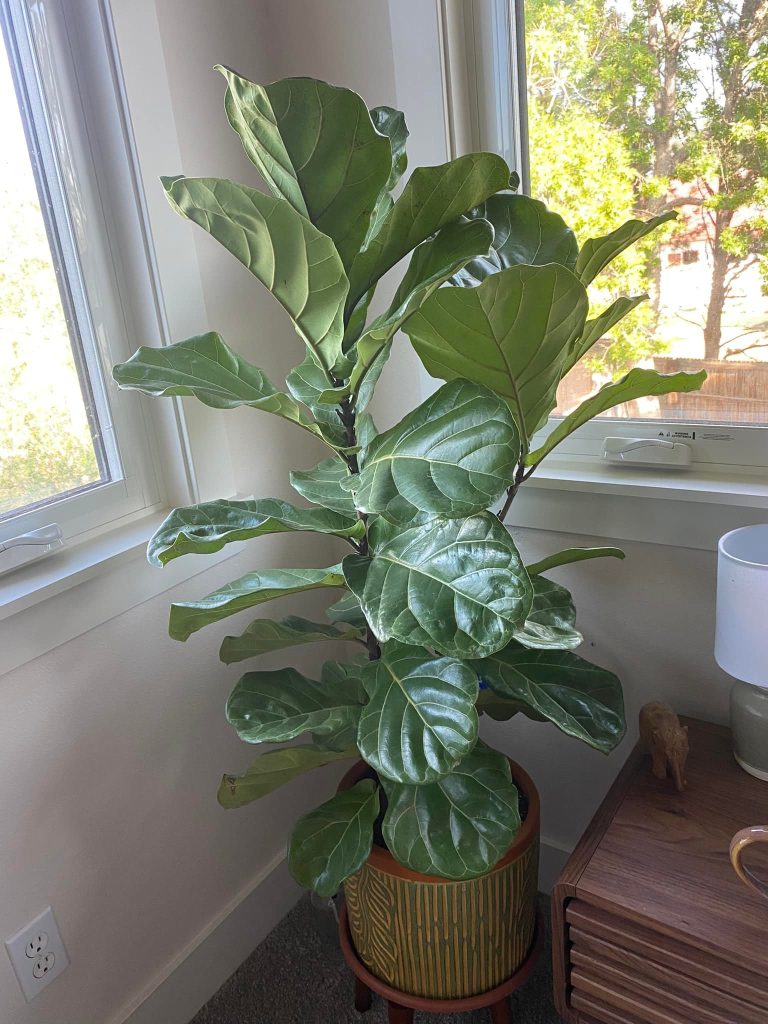
Fiddle Leaf Fig Cultivation: Your Ultimate Guide to Growing This Stunning Houseplant
The fiddle leaf fig (Ficus lyrata) is the rock star of houseplants. Its oversized, glossy leaves conspicuously scream elegance. I remember how I was hooked the first time I saw one in a trendy café. Its lush foliage transformed a bland corner into a tropical oasis. I was hooked.
But let me be honest—growing a fiddle leaf fig isn’t always a walk in the park. It’s like adopting a diva that demands the perfect lighting, just the right amount of water, and a humidity level that mimics its jungle roots.
In this guide, I’ll share everything I’ve learned from my own fiddle leaf fig journey, from its fascinating history to detailed care tips and solutions for common problems. Whether you’re a newbie or a seasoned plant parent, the ideas will equip you to grow a thriving fiddle leaf fig.
A Brief History and Classification
The fiddle leaf fig, scientifically named Ficus lyrata, is a tropical evergreen native to the rainforests of West Africa, particularly Cameroon and Sierra Leone. In its natural habitat, it grows into a towering tree, sometimes reaching 40–50 feet tall.
I was blown away when I learned it belongs to the Moraceae family, alongside edible figs, mulberries, and even the quirky rubber plant. The name “fiddle leaf” comes from its leaves, which resemble the shape of a lyre or fiddle.
This plant’s rise to fame is a modern story. While it’s been cultivated for centuries in tropical regions, it didn’t become a household name until the mid-20th century. Interior designers in the 1960s started incorporating it into upscale homes, but social media catapulted it into stardom.
Botanically, Ficus lyrata is classified as a broadleaf evergreen, though indoors, it’s typically grown as a shrub or small tree. There are several cultivars to suit different spaces. The standard variety has massive leaves and a bold presence, while the ‘Bambino’ is a dwarf version, perfect for apartments.
The ‘Variegata’ cultivar, with its creamy yellow-green patterns, is a rare gem for collectors. Understanding its tropical origins helps me appreciate why it craves warmth, humidity, and bright light. Mimicking its rainforest home is the secret to keeping it happy.
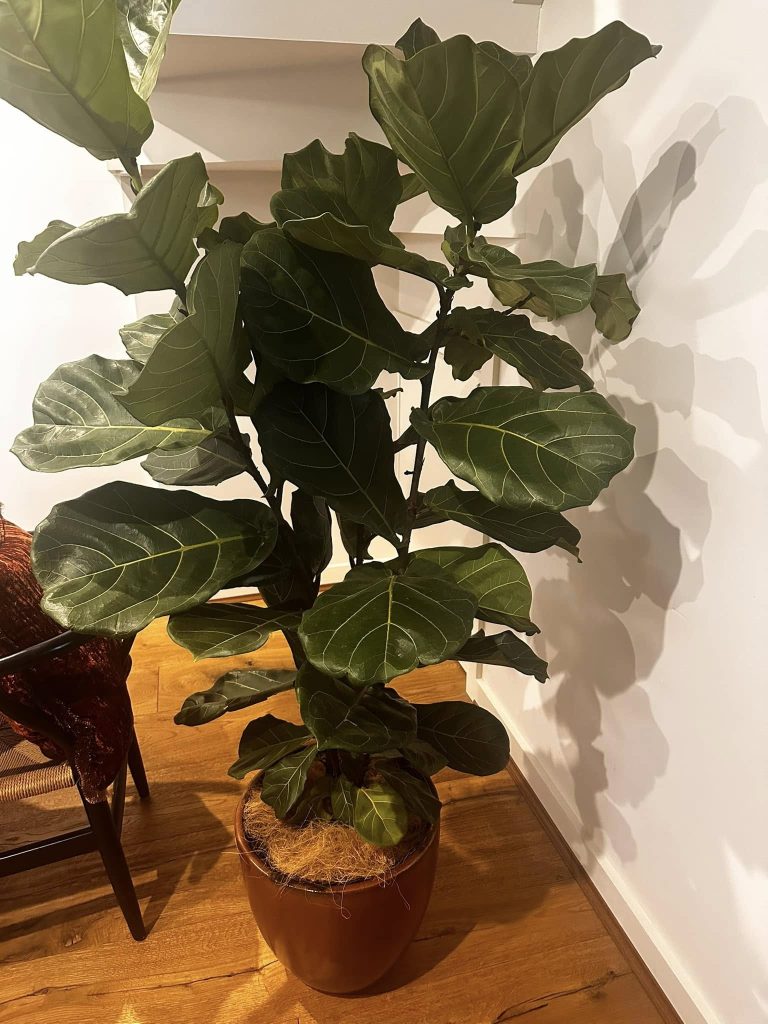
Characteristics of the Fiddle Leaf Fig
What makes the fiddle leaf fig so irresistible? For me, it’s the leaves. Those massive, glossy, dark green beauties can grow up to 18 inches long and 12 inches wide. Their leathery texture and prominent veins give them a luxurious look, like nature’s artwork.
The leaves spiral around a sturdy, woody stem. This creates a tree-like silhouette that adds drama to any space. I’ve placed mine in a corner of my living room, and it’s become the focal point of the room.
In the wild, fiddle leaf figs produce small, fig-like fruits. In the indoor setup, flowering and fruiting are rare due to the lack of specific pollinators. Indoors, they typically grow to 3–10 feet tall, depending on the pot size and care.
The ‘Bambino’ stays under 3 feet, while a standard variety can stretch toward the ceiling if you let it. The plant’s upright growth and bold foliage make it ideal for filling empty spaces or adding height to a room’s design.
One thing to know: those gorgeous leaves are sensitive. A slight change in light, water, or temperature can make your fig throw a tantrum, dropping leaves or developing spots. But when it’s happy, it’s a living sculpture that elevates any space.
How to Care for Your Fiddle Leaf Fig
Caring for a fiddle leaf fig is a labor of love. It’s not a low-maintenance plant like a snake plant, but the rewards are worth it. Below, I’ll break down every aspect of care, sharing my personal experiences and tips from trusted garden centers.
Light: Bright, Indirect, and Non-Negotiable
Fiddle leaf figs are light lovers. They thrive in bright, indirect light. I keep mine near an east-facing window where it gets soft morning sun and filtered light all day.
If you’re wondering what “bright, indirect light” means, picture a spot where you could read a book comfortably without artificial light, but there’s no harsh sun hitting the leaves. Aim for 6–8 hours of light daily.
If your home lacks natural light, don’t worry. You can use a full-spectrum LED grow light during winter or in dim rooms. My fig was looking leggy in a north-facing room until I added a grow light, and now it’s thriving. Avoid direct sunlight, as it scorches the leaves, leaving ugly brown spots.
If you notice your plant leaning toward the window (mine did this!), rotate it every couple of weeks for even growth.
Pro Tip: If you’re unsure about your light conditions, use a light meter app on your phone. I found one that helped me confirm my fig was getting enough lumens (aim for 200–400 foot-candles).
Watering: The Goldilocks Principle
Watering is where most fiddle leaf fig owners (myself included) mess up. Overwatering is the leading cause of death for these plants. I water mine every 7–10 days, but only after sticking my finger an inch into the soil to check it’s dry. If it’s still moist, I wait.
Use a pot with drainage holes, and always empty the saucer afterward. Soggy roots lead to root rot, a silent killer. In winter, I cut back to every 2–3 weeks since the plant grows more slowly.
Underwatering is less common but can happen if you neglect it too long. Dry, crispy leaves are common signs. I made the mistake of watering on a strict schedule without checking the soil, and my fig dropped half its leaves in protest.
Humidity: Channel the Rainforest
Fiddle leaf figs crave humidity—40–60% is ideal. Most homes hover around 30%, especially in winter with the heat on. I noticed my fig’s leaves looked dull and started curling until I added a humidifier. Now, I keep a small ultrasonic humidifier running nearby, and the leaves are glossier than ever.
If a humidifier isn’t an option, try grouping your plants together to create a microclimate. You can also place a tray of water with pebbles near the pot (don’t let the pot sit in water, though!). Misting helps a little, but it’s not a long-term fix.
My experience: When I moved to a drier climate, my fig started developing brown edges. A humidifier and a pebble tray turned things around in a couple of weeks. I mist occasionally for a quick humidity boost, but the humidifier does the heavy lifting.
Temperature: Keep It Warm and Stable
Fiddle leaf figs like it cozy, preferring 65–75°F (18–24°C). They hate sudden changes, so keep them away from drafty windows, air conditioning vents, or heaters. I learned this the hard way when I placed mine near a window during a cold snap—two leaves turned yellow overnight.
If you live in a colder region, move your plant away from windows at night. If you’re comfortable in a t-shirt, your fig probably is too. Avoid temperatures below 50°F, as they can cause stress and leaf drop.
Soil and Fertilizer: Feed It Wisely
A well-draining soil mix is non-negotiable. I use a blend of 60% potting soil, 20% perlite, and 20% orchid bark. It’s a great mix for aeration and drainage. You can buy pre-mixed indoor plant soil, but I like customizing mine to ensure it’s loose and airy.
Fertilize monthly during spring and summer with a balanced liquid fertilizer, like a 10-10-10 or 3-1-2 formula. Dilute it to half strength to avoid burning the roots. In fall and winter, skip fertilizing. I made the mistake of over-fertilizing once, and my fig developed brown leaf tips.
Pruning and Shaping: Sculpt Your Plant
Pruning keeps your fiddle leaf fig looking full. It also encourages branching. Use clean, sharp shears to snip leggy stems just above a leaf node (where a leaf meets the stem). If your plant is too tall, cut the top to promote bushier growth.
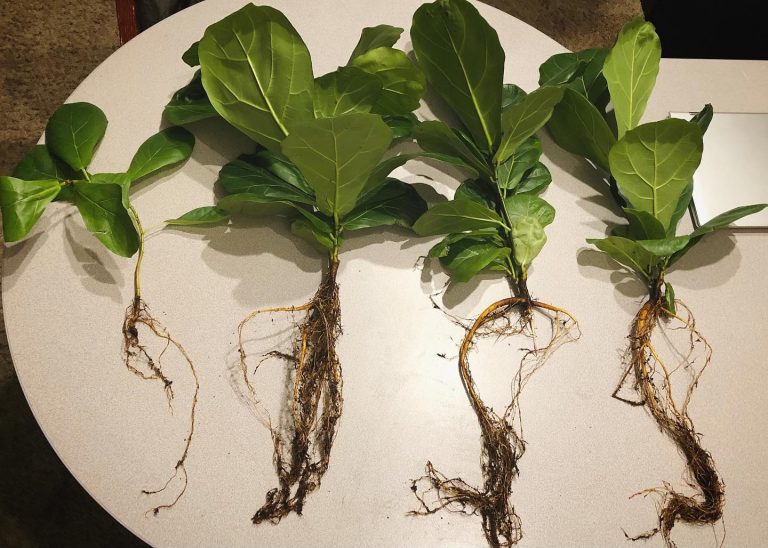
I was nervous the first time I pruned mine, but it bounced back with two new branches in a month. You can propagate cuttings in water or soil—watching roots form is so satisfying. I’ve got three baby figs growing from cuttings, and it feels like a mini plant nursery.
Repotting: Room to Grow
Repot every 1–2 years or when you see roots crowding the pot. Repot your fig in spring. Make sure to choose a pot 2 inches larger in diameter. Use fresh, well-draining soil, and be gentle—fiddle leaf figs hate root disturbance.
After repotting, I water lightly and keep it in indirect light for a week to reduce stress. My fig sulked for a few days but perked up with new growth soon after.
Cleaning the Leaves: Keep Them Glossy
Those big leaves collect dust, which blocks light and dulls their shine. I wipe mine monthly with a soft, damp cloth. Some folks use neem oil or leaf shine products, but I stick to water to avoid residue. Cleaning the leaves is oddly therapeutic, like polishing a piece of art.
Pot Selection: Style Meets Function
Choose a pot with drainage holes to prevent waterlogging. I love terracotta for its breathability, but it dries out faster, so I water more often. Ceramic or plastic pots work well too—just ensure proper drainage. I upgraded my fig to a decorative ceramic pot, and it’s both functional and Instagram-worthy.
Common Problems and How to Fix Them
Fiddle leaf figs are notorious for being dramatic. Here’s how to handle the most common issues.
1. Leaf Drop: The Plant’s Temper Tantrum
Leaf drop is the fiddle leaf fig’s way of saying, “I’m not happy!” Common causes include:
- Overwatering: Check the soil. If it’s soggy, let it dry out and adjust your schedule.
- Underwatering: Dry, crispy leaves mean it’s thirsty. Water thoroughly and check more often.
- Low light: Move it to a brighter spot or add a grow light.
- Temperature changes: Keep it away from drafts or sudden heat.
I had a leaf-drop crisis when I moved my fig across the room without acclimating it. Now, I make changes slowly, and it’s much happier.
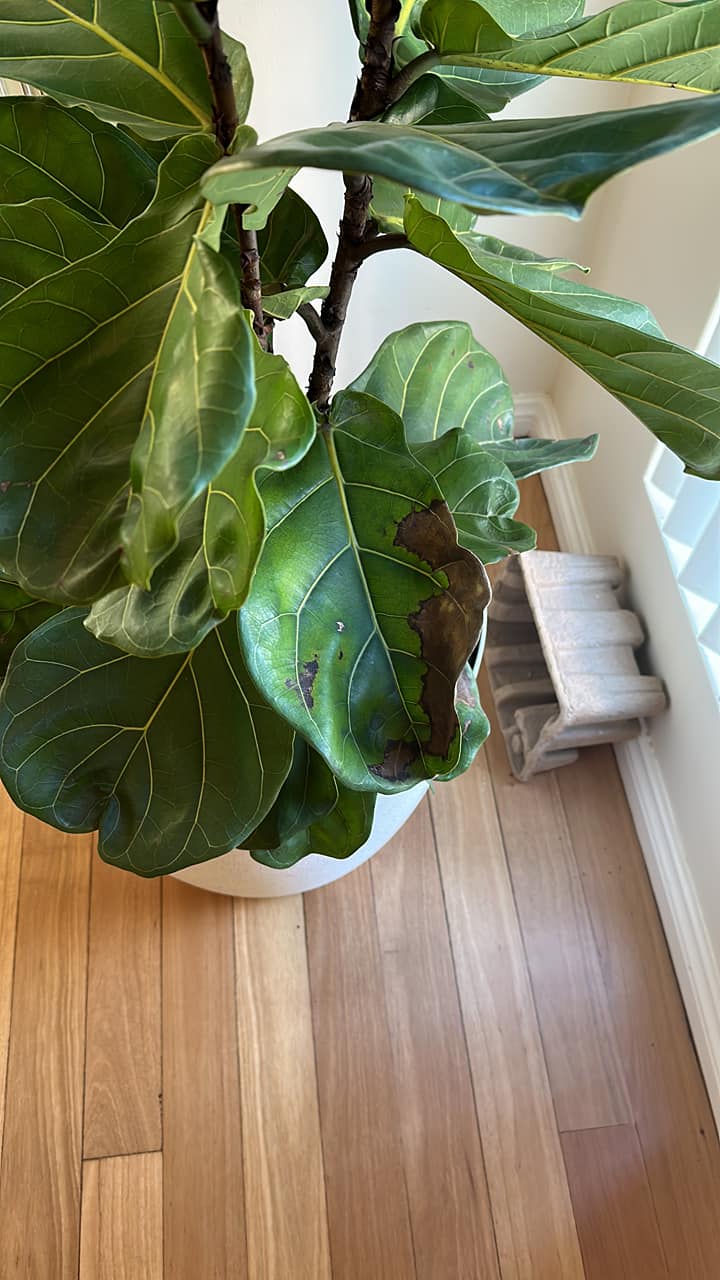
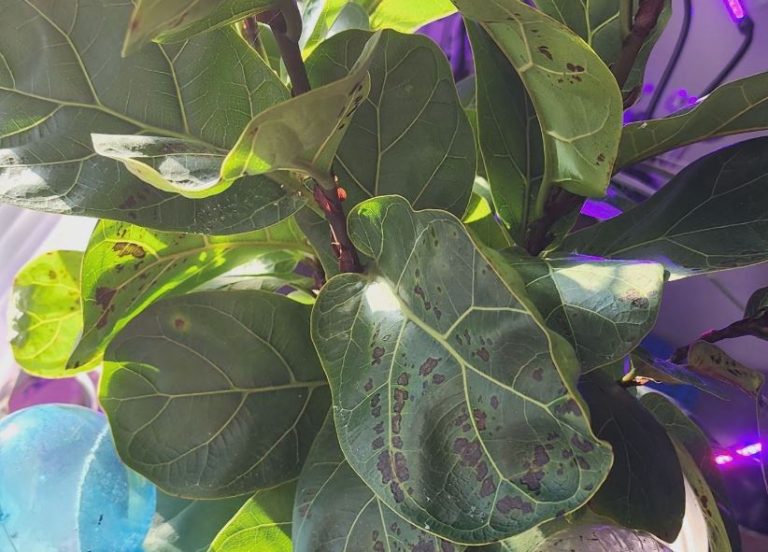
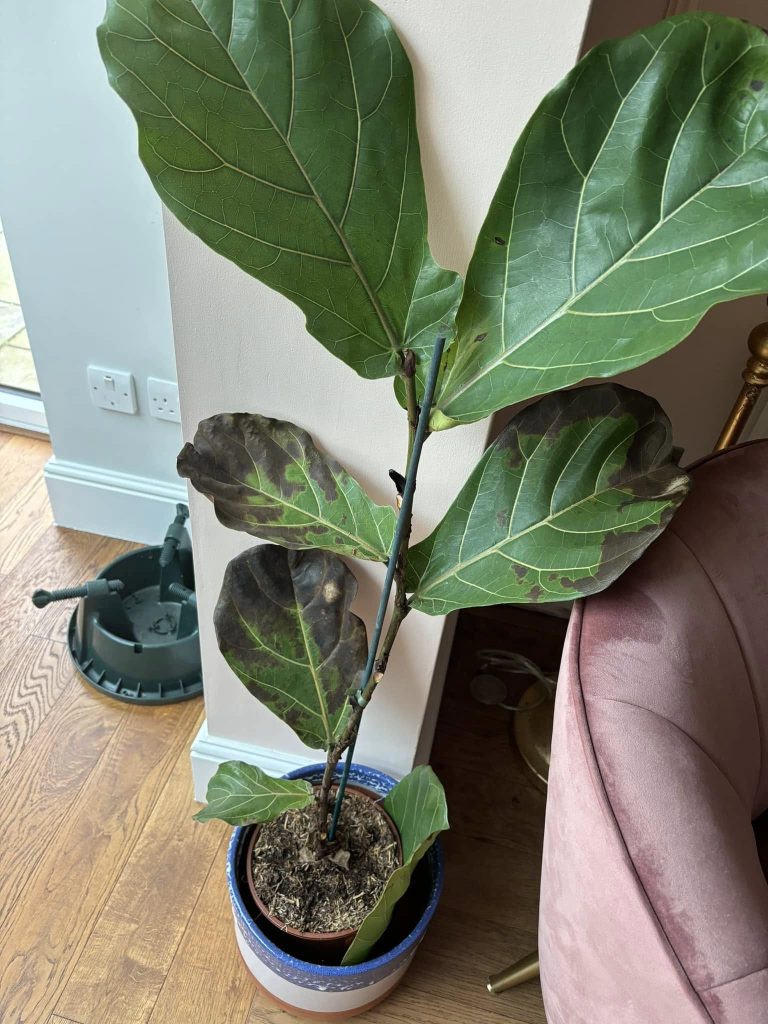
2. Brown Spots: Diagnosing the Issue
Brown spots can mean different things:
- Crispy, dry spots: Too much direct sun or low humidity. Move the plant and boost humidity.
- Soft, dark spots: Overwatering or root rot. Check the roots—if they’re mushy, trim them and repot in fresh soil.
I dealt with crispy spots when my fig was too close to a sunny window. Moving it a few feet back and adding a humidifier fixed it.
3. Yellowing Leaves: A Nutrient or Water Problem
Fiddle leaf fig leaves turning yellow often signal overwatering, poor drainage, or nutrient deficiency. I had this issue when I overwatered during winter. Cutting back on water and adding fertilizer in spring revived my plant. If the soil is compacted, repot with a fresh mix.
4. Pests: Dealing with Unwanted Visitors
Spider mites, mealybugs, and scale are common pests. I found spider mites on my fig (tiny webs between leaves) and treated them with a neem oil solution (1 tsp neem oil, 1 tsp dish soap, 1 quart water). Spray weekly and wipe leaves to keep pests at bay. Increasing humidity also helps deter them.
5. Leaning or Leggy Growth: A Light Issue
If your fig leans or looks sparse, it’s begging for more light. Rotate it regularly and consider a grow light. My fig was stretching toward the window until I added a grow light, and now it’s growing evenly.
6. Curling Leaves: A Humidity or Water Clue
Curling leaves often mean low humidity, underwatering, or pests. I fixed mine by increasing humidity and checking the soil more often. Inspect for pests just in case.
Advanced Tips for Fiddle Leaf Fig Mastery
Once you’ve got the basics down, these advanced techniques will take your fiddle leaf fig to the next level:
- Notching: Make a 1/8-inch cut above a leaf node to stimulate branching. I was skeptical, but it worked on my leggy fig.
- Air layering: For large plants, air layering creates a new plant without cutting the main stem. Wrap a moist sphagnum moss ball around a stem, cover with plastic, and wait for roots. I haven’t tried it yet, but it’s on my list.
- Seasonal care adjustments: Reduce watering and skip fertilizer in winter. I set calendar reminders to stay on track.
- Root pruning: If your fig is root-bound but you don’t want a bigger pot, trim the roots during repotting. I did this once and was amazed at how it revived my plant.
FAQs
Here are answers to frequently asked questions about Fiddle leaf figs
Q: How fast do fiddle leaf figs grow?
A: With good care, they grow 1–2 feet per year indoors. Mine shot up a foot in six months after I nailed the light and fertilizer routine.
Q: Are fiddle leaf figs toxic to pets?
A: Yes, they’re toxic to cats and dogs. If ingested they can cause vomiting or irritation. My cat nibbled a leaf once and was fine, but I keep my fig on a high shelf now.
Q: Can I propagate a fiddle leaf fig?
A: Yes! Cut a 6-inch stem with a few leaves, place it in water or soil, and wait 4–6 weeks for roots. I’ve propagated three baby figs, and it’s so rewarding.
Q: Why are my fiddle leaf fig’s leaves curling?
A: Curling usually means low humidity, underwatering, or pests. Check your care routine and inspect for bugs.
Q: How do I make my fiddle leaf fig bushier?
A: Prune above a leaf node or pinch the top to encourage branching. Notching (a small cut above a node) also works. I tried notching, and my fig sprouted two new branches.
Suggested For You:
Fiddle Leaf Fig Root Rot: Saving Your Plant From The Silent Killer
7 Reasons: Why Is My Fiddle Leaf Fig Dropping Leaves?
Black Spots on Fiddle Leaf Fig Leaves: Causes, Fixes, and Prevention
Fiddle Leaf Fig Leaves Curling? 8 Easy Fixes to Save Your Plant
Brown Spots on Fiddle Fig Leaves: Identification and Fixes
Final thoughts
Growing a fiddle leaf fig has been a rollercoaster, but every new leaf feels like a victory. I’ve made plenty of mistakes—overwatering, placing it in a drafty spot, forgetting to dust the leaves—but each one taught me something.
My fig is now 5 feet tall, with glossy leaves that make my living room feel like a jungle. It’s not just a plant; it’s a conversation starter, a design statement, and a daily reminder to stay patient.
Whether you’re dreaming of a towering fiddle leaf fig or a compact ‘Bambino,’ this plant is worth the effort. Follow these tips, learn from my missteps, and don’t be afraid to experiment.

Tim M Dave is a gardening expert with a passion for houseplants, particularly cacti and succulents. With a degree in plant biology from the University of California, Berkeley, he has vast experience in gardening. Over the years, he has cultivated a vast collection of desert plants and learned a great deal about how to grow and care for these unique companions.