Ficus Benjamina Weeping Fig: Identification, Problems, and Cultivation Details
Few indoor plants command attention the way Ficus benjamina does. With its gracefully arching branches, glossy leaves, and unmistakable silhouette, the weeping fig has earned a permanent place in homes, offices, and botanical collections across the world.
Yet for all its popularity, it remains one of the most misunderstood plants in cultivation. People love it for its beauty but often struggle with its temperamental nature.
This guide covers everything you need to know — from its botanical identity and natural habitat to the precise care routines that help it flourish. Whether you are a first-time plant owner or a seasoned enthusiast, you will find practical, science-backed advice here.
What Is Ficus Benjamina? Understanding the Weeping Fig
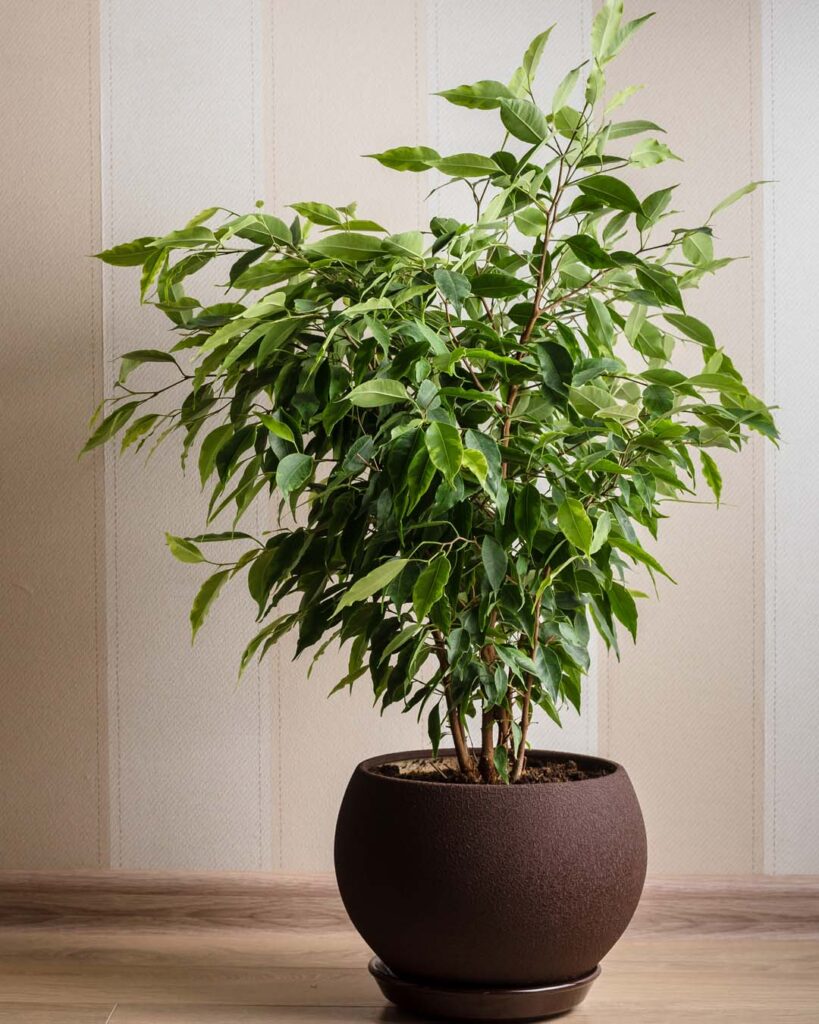
Ficus benjamina, commonly called the weeping fig or Benjamin fig, belongs to the family Moraceae. It is native to South and Southeast Asia, as well as northern Australia, where it grows into a towering tree reaching up to 30 meters in height. In its natural habitat, it spreads wide canopies and even develops aerial roots that drop to the ground and fuse with the trunk over time.
Outdoors, the weeping fig is a powerful ecological presence. Indoors, it becomes a refined, manageable specimen — typically growing between 1 and 3 meters, depending on pot size and conditions.
The name “weeping” comes from its drooping branch tips, which give the tree a gentle, downward sweep. This natural form, paired with its dense foliage, makes it one of the most attractive ornamental trees available to indoor gardeners.
There are also several cultivated varieties worth knowing:
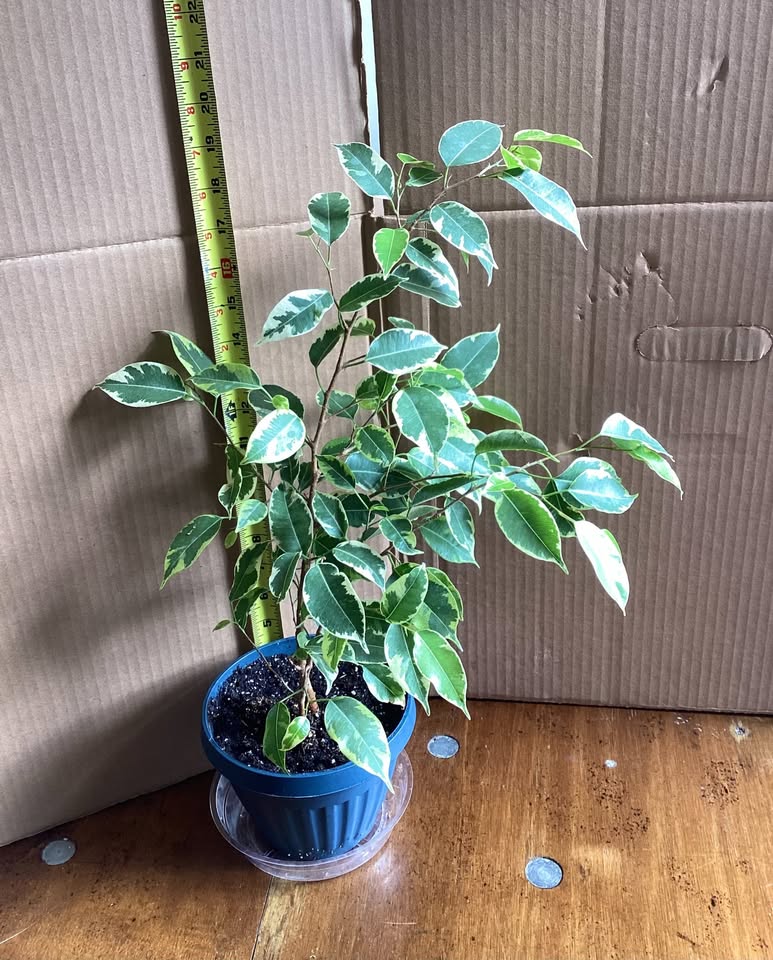
- ‘Starlight’ – Green leaves with creamy white variegation
- ‘Danielle’ – Deep green, wavy-edged leaves; very popular in Europe
- ‘Exotica’ – Twisted leaf tips and lush, tropical appearance
- ‘Golden King’ – Broad leaves with yellow-green margins
- ‘Monique’ – Slightly wavy, bright green foliage
Each variety shares the same core care needs, though variegated types require slightly more light to maintain their colour contrast.
Natural Habitat and Why It Matters for Indoor Care
To care for any plant well, it helps to understand where it comes from. Ficus benjamina grows naturally in tropical and subtropical regions — warm, humid environments with bright but often filtered light. Beneath the rainforest canopy or along forest edges, it receives indirect sunlight and consistent moisture.
This background explains almost every quirk of the plant’s indoor behaviour. It dislikes cold drafts because it comes from warm climates. It drops leaves when moved because, in nature, seasonal changes signal stress. It thrives near windows because it needs bright light, even if it is not direct sun.
Understanding its origins helps you replicate the right conditions — and anticipate the problems that arise when those conditions are missing.
Light Requirements: Finding the Right Spot
Light is the single most important factor for Ficus benjamina indoors. Get this right, and everything else becomes easier.
The weeping fig prefers bright, indirect light. A spot near an east- or west-facing window is usually ideal. A south-facing window can work well if you diffuse the harshest midday rays with a sheer curtain, especially in summer.
Low light is the number one cause of leaf drop in weeping figs. When the plant does not receive enough light, it sheds older leaves to reduce energy demands. Many people assume the plant is sick when it is simply struggling with insufficient light.
Direct, intense sunlight — particularly afternoon sun through glass — can scorch the leaves. Look for pale, bleached patches as an early warning sign.
If natural light is limited in your space, a full-spectrum LED grow light placed 30 to 60 centimeters above the canopy for 12 to 14 hours a day can sustain the plant effectively.
Key light reminders:
- Bright, indirect light = ideal
- 4 to 6 hours of filtered sunlight daily = minimum
- Rotate the pot every few weeks for even growth
- Avoid placement near heating vents or air conditioning units
Watering: The Balance Between Wet and Dry
Overwatering is the most common mistake people make with Ficus benjamina. The roots need oxygen just as much as they need water, and soggy soil quickly leads to root rot.
The golden rule: water thoroughly, then allow the top 3 to 4 centimeters of soil to dry before watering again.
To test soil moisture, push your finger into the compost up to the second knuckle. If it feels damp, wait. If it feels dry, water deeply until it drains from the bottom of the pot.
During winter, the plant’s growth slows significantly. Reduce watering frequency by roughly a third and never let the plant sit in a saucer full of water.
Signs of overwatering:
- Yellow leaves that feel soft and mushy
- Soggy soil with an unpleasant odour
- Dark, mushy roots when repotting
Signs of underwatering:
- Leaves that curl or wrinkle slightly before dropping
- Very dry, compacted soil pulling away from the pot edges
- Brittle, dry leaf tips
Use room-temperature water whenever possible. Cold water can shock the roots, and in some regions, tap water contains high levels of fluoride or chlorine that may cause tip burn. Leaving water to stand overnight before use allows these chemicals to dissipate.
Soil and Potting: Getting the Foundation Right
Ficus benjamina performs best in a well-draining, loamy potting mix. A standard indoor potting compost works as a base, but it benefits from the addition of perlite or coarse sand to improve aeration and drainage.
A reliable home mix:
- 60% good quality potting compost
- 20% perlite or horticultural grit
- 20% coco coir (for moisture retention and structure)
Avoid heavy, clay-rich soils. They compact over time and restrict root development.
When choosing a pot, always ensure drainage holes are present. Terracotta pots are particularly well-suited for weeping figs because they are porous and allow the soil to dry more evenly, reducing the risk of root rot.
Temperature and Humidity: Recreating the Tropics
The weeping fig prefers temperatures between 16°C and 24°C (60°F to 75°F). It will tolerate slightly cooler conditions but suffers below 10°C (50°F). Cold windowsills, open doors in winter, and air conditioning vents are all silent threats to this plant.
Consistency matters more than perfection. Sudden temperature swings — warm days followed by cold nights — are a major trigger for leaf drop. The plant is not always dying; it is expressing stress.
Humidity is another critical factor. The weeping fig thrives when relative humidity sits between 50% and 70%. Most homes in temperate climates hover between 30% and 50%, which is adequate but not ideal.
To increase humidity:
- Place the pot on a tray filled with pebbles and water (ensure the pot base does not touch the water)
- Group plants together to create a shared microclimate
- Use a small room humidifier nearby
- Mist the foliage lightly in the morning, though this should not replace other humidity methods
Feeding and Fertilising: Supporting Healthy Growth
During the growing season (spring through early autumn), Ficus benjamina benefits from regular feeding. A balanced, water-soluble fertiliser with an NPK ratio of approximately 10-10-10 or 20-20-20 applied every two to four weeks provides sufficient nutrition.
Do not fertilise in winter. The plant is resting, and excess nutrients in the soil without active uptake can cause salt build-up, which damages roots.
Signs of nutrient deficiency:
- Pale, yellowing leaves between the veins (often magnesium or iron deficiency)
- Slow, stunted growth despite adequate light
- Smaller-than-normal new leaves
Every six months, flush the soil thoroughly with plain water to remove any accumulated mineral salts.
Repotting: When and How to Move Your Weeping Fig
Ficus benjamina should be repotted every two to three years, or when roots begin to emerge from the drainage holes or circle visibly at the soil surface.
Choose a new pot that is only one size larger than the current one. A pot that is too large holds excess moisture that the roots cannot absorb, increasing the risk of rot.
Best time to repot: early spring, just before the new growth season begins.
After repotting, place the plant in its usual spot, reduce watering slightly for the first two weeks, and avoid fertilising for at least a month. The plant needs time to settle without added chemical stress.
Pruning and Shaping: Maintaining Form and Size
One of the joys of the weeping fig is how well it responds to pruning. Regular light pruning keeps the plant compact, encourages bushy growth, and allows you to maintain any desired shape — including artistic forms like braided trunks or standards.
Prune in late winter or early spring using clean, sharp tools. Remove dead or crossing branches first. Then cut back any overly long stems to just above a leaf node to encourage branching.
When pruning, be aware that the milky white sap that oozes from cut stems is a latex and can irritate skin and eyes. Wear gloves and wash your hands after handling.
Propagation: Growing New Plants from Cuttings
Propagating Ficus benjamina is straightforward and rewarding. The most reliable method is stem cuttings.
Step-by-step propagation:
- Take a healthy stem cutting of 10 to 15 centimeters in spring or early summer
- Remove the lower leaves, leaving two to three at the tip
- Dip the cut end in rooting hormone powder (optional but helpful)
- Insert into a small pot of moist, well-draining propagation mix
- Cover loosely with a clear plastic bag or propagation dome to retain humidity
- Place in bright indirect light at around 21°C to 24°C
- Check for resistance when gently tugging after three to four weeks — resistance indicates rooting
Air layering is another effective method, particularly for thicker, more established stems.
The Famous Leaf Drop Problem: Causes and Solutions
Every owner of a weeping fig eventually faces the dreaded leaf drop. The floor covered in fallen leaves. The once-lush canopy looking sparse and sad.
The good news? Leaf drop is almost always a stress response, not a death sentence.
Common causes:
| Cause | Solution |
| Moving the plant to a new location | Allow 4–6 weeks adjustment; avoid further moves |
| Sudden temperature change | Keep away from cold drafts and heating vents |
| Overwatering | Let soil dry before next watering; check roots |
| Underwatering | Establish a consistent watering routine |
| Low light | Move closer to a bright window or add grow light |
| Root bound | Repot into a slightly larger container |
| Pests | Inspect and treat accordingly |
The weeping fig will almost always recover if the stressor is removed. New growth will emerge, often appearing smaller than usual at first, then normalising as the plant settles.
Common Pests and Diseases
Ficus benjamina is relatively robust but is susceptible to a handful of common pests:
- Spider mites — Tiny specks on leaves, with fine webbing on stems. Increase humidity and treat with insecticidal soap or neem oil.
- Scale insects — Brown, shell-like bumps on stems and undersides of leaves. Scrape off manually and treat with horticultural oil.
- Mealybugs — White, cottony clusters in leaf axils. Remove with a cotton swab dipped in rubbing alcohol.
- Fungus gnats — Larvae live in soil and damage roots. Allow soil to dry more between waterings and use sticky yellow traps for adults.
- For root rot, caused by overwatering or poor drainage, the plant must be removed from its pot, affected roots trimmed away, and repotted in fresh, dry compost.
Ficus Benjamina in Interior Design and Air Quality
Beyond its horticultural appeal, the weeping fig has earned recognition as a meaningful addition to indoor spaces. Its upright, tree-like form adds architectural interest to living rooms, lobbies, and offices in a way few houseplants can.
In a study published by the American Society of Horticultural Science, Ficus benjamina was among the plants noted for reducing airborne volatile organic compounds (VOCs) — although the NASA Clean Air Study findings on VOC removal have been contextualised more cautiously in recent years, indicating that large numbers of plants would be needed for measurable effects in typical rooms.
Still, the psychological benefits of plant-filled spaces are well-documented. Greenery reduces stress, improves mood, and increases productivity. A well-placed, healthy weeping fig does all of this while demanding only consistent, mindful care in return.
Ficus Benjamina as a Bonsai Subject
One of the most fascinating uses of Ficus benjamina is as a bonsai specimen. Its fine-textured leaves, willingness to bud from old wood, and ability to develop impressive aerial roots make it a favourite among tropical bonsai growers.
Grown as a bonsai, the weeping fig is trained using wiring, clip-and-grow techniques, and careful pruning over many years. Root pruning during repotting encourages the surface root spread — known as nebari — that gives bonsai their aged, powerful appearance.
This is a long-term project that rewards patience, but the results can be extraordinary.
Toxicity: An Important Safety Note
Ficus benjamina is toxic to cats, dogs, and horses. The ASPCA lists it as a toxic plant for pets, capable of causing oral irritation, excessive drooling, vomiting, and skin irritation. The latex sap can also trigger allergic reactions in sensitive individuals.
If you have pets or young children, place the plant out of reach or consider an alternative species.
Frequently Asked Questions
Why are my weeping fig leaves turning yellow? Yellow leaves are most commonly caused by overwatering, low light, or a sudden change in environment. Check your watering routine first, then assess light levels.
Can Ficus benjamina grow outdoors? Yes, in USDA Hardiness Zones 10 to 12 (tropical and subtropical regions), it can be grown as an outdoor landscape tree. In temperate climates, it can spend summer outdoors in a sheltered spot but must be brought indoors before temperatures drop below 10°C.
How fast does Ficus benjamina grow? Indoors, it grows at a moderate pace — typically 30 to 60 centimeters per year under good conditions. Outdoor trees in ideal climates grow considerably faster.
Can I train my weeping fig into a braided trunk? Yes. Young, flexible stems can be braided together and will eventually fuse as they mature. This is best begun when the plant is still young and stems are pliable.
Final Thoughts
I have grown Ficus benjamina for years, and my honest view is this: it is not an easy plant, but it is a deeply rewarding one. Once you find the right spot and establish a consistent routine, it repays your attention with lush, elegant growth that transforms any room.
Respect its love of stability, give it bright light, water it wisely, and protect it from cold drafts — and the weeping fig will reward you with decades of beauty.
References
- University of Florida IFAS Extension – Ficus benjamina: Weeping Fig https://edis.ifas.ufl.edu/publication/FP225
- North Carolina State University Extension – Ficus benjamina Plant Profile https://plants.ces.ncsu.edu/plants/ficus-benjamina/
- Royal Botanic Gardens, Kew – Ficus benjamina L. — Plants of the World Online https://powo.science.kew.org/taxon/urn:lsid:ipni.org:names:851808-1
- Purdue University, Department of Horticulture – Interior Plantscaping: Selecting Plants for Interior Environments https://www.extension.purdue.edu/extmedia/HO/HO-98.pdf
- University of Connecticut Extension – Common Houseplant Insects and Related Pests https://ipm.uconn.edu/documents/raw2/Common%20Houseplant%20Insects%20and%20Related%20Pests/Common%20Houseplant%20Insects%20and%20Related%20Pests.php

Tim M Dave is a gardening expert with a passion for houseplants, particularly cacti and succulents. With a degree in plant biology from the University of California, Berkeley, he has vast experience in gardening. Over the years, he has cultivated a vast collection of desert plants and learned a great deal about how to grow and care for these unique companions.