20 Fast Growing Shrubs for Privacy: The Complete Guide to a Natural Screen
If you have ever glanced out of your window and wished you could not see your neighbor’s yard — or wished they could not see yours — you are not alone. Privacy is one of the most common concerns among homeowners, and fences, while practical, can feel cold, expensive, and out of place in a natural garden setting. That is exactly why fast growing shrubs for privacy have become one of the most sought-after landscaping solutions in recent years.
The right shrub does more than block a sightline. It muffles traffic noise, filters dust, provides wildlife habitat, and adds genuine beauty to your outdoor space. This guide covers 20 of the best fast growing shrubs for privacy, what makes each one worth considering, and how to choose the right one for your garden.
What Makes a Shrub Good for Privacy?
Before diving into the list, it helps to understand what separates a great privacy shrub from one that simply grows fast. The ideal candidate should:
- Reach a sufficient height and spread to create a visual screen
- Maintain dense foliage from the base to the top of the plant
- Grow quickly — typically at least 1 to 2 feet per year
- Suit your local climate and soil type
- Require a manageable level of maintenance
Keep these criteria in mind as you read through the list, and note that growth rates can vary depending on soil quality, water availability, and your climate zone.
20 Fast Growing Shrubs for Privacy
1. Leyland Cypress (Cuprocyparis leylandii)
Few shrubs in the privacy landscaping world are as well-known as the Leyland Cypress. It can grow between 3 and 5 feet per year under good conditions, making it one of the fastest options available. It develops a dense, columnar habit that is excellent for creating tall screens in a short period. Leyland Cypress is evergreen, so it retains its foliage year-round. The one caveat is that it does best in full sun and requires occasional pruning to prevent it from becoming overly large. It is widely used in the UK, the United States, and parts of Australia.
Mature Height: 60 to 70 feet (can be kept shorter with pruning)
Growth Rate: 3 to 5 feet per year
Hardiness: USDA Zones 6 to 10
2. American Arborvitae (Thuja occidentalis)
The American Arborvitae, often called “Green Giant’s cousin,” is a dependable evergreen that offers excellent privacy screening. Cultivars like ‘Emerald Green’ are particularly popular for narrow garden spaces. It grows about 1 to 2 feet per year and maintains its lush, scale-like foliage throughout the year. It tolerates cold better than many other evergreens, making it a top choice in northern climates.
Mature Height: 10 to 15 feet (cultivar-dependent) Growth Rate: 1 to 2 feet per year Hardiness: USDA Zones 3 to 8
3. Green Giant Arborvitae (Thuja standishii × plicata)
If you are looking for a shrub or tree that earns the word “giant” in its name, this is it. The Green Giant Arborvitae grows between 3 and 5 feet per year when young and develops an impressive pyramidal form. It is resistant to most pests, tolerates a range of soil types, and provides year-round screening. Many landscape professionals consider it the gold standard for privacy hedges.
Mature Height: 50 to 60 feet
Growth Rate: 3 to 5 feet per year
Hardiness: USDA Zones 5 to 9
4. Cherry Laurel (Prunus laurocerasus)
Cherry Laurel is a broad-leaved evergreen shrub prized for its large, glossy dark green leaves and fast growth. It grows between 1 and 2 feet per year and responds very well to pruning, making it easy to shape into a formal hedge or leave as a more natural screen. It thrives in partial shade, which is an advantage many other privacy shrubs cannot offer. Clusters of white flowers appear in spring, giving it a brief ornamental charm.
Mature Height: 10 to 20 feet
Growth Rate: 1 to 2 feet per year
Hardiness: USDA Zones 6 to 9
5. Forsythia (Forsythia spp.)
Forsythia is one of those plants that makes a strong first impression. In early spring, before its leaves even appear, it bursts into brilliant yellow blooms. After flowering, it fills out with dense foliage that provides solid privacy coverage. It grows quickly — up to 2 feet per year — and tolerates poor soil and heavy pruning. While it is deciduous and loses its leaves in winter, its density during the growing season is hard to beat. It is a great choice for gardeners who want color along with function.
Mature Height: 8 to 10 feet
Growth Rate: Up to 2 feet per year
Hardiness: USDA Zones 4 to 9
6. Red-Twig Dogwood (Cornus sericea)
This shrub offers four-season interest. In winter, when most deciduous shrubs look bare and grey, the Red-Twig Dogwood lights up the landscape with its striking crimson stems. In spring and summer, it produces white flowers followed by small berries that attract birds. It grows up to 2 feet per year and spreads via suckers, forming dense colonies ideal for natural screening. It performs especially well near water features and in wetter soils.
Mature Height: 6 to 9 feet
Growth Rate: Up to 2 feet per year
Hardiness: USDA Zones 2 to 8
7. Viburnum (Viburnumspp.)
The Viburnum genus includes dozens of species, and many of them are excellent fast growing shrubs for privacy. Viburnum odoratissimum (Sweet Viburnum) and Viburnum tinus (Laurustinus) are particularly valued. Sweet Viburnum can grow up to 3 feet per year in warm climates and maintains dense, dark green foliage that works beautifully as a hedge. Many species are also fragrant, which is a pleasant bonus when planting near patios or outdoor seating areas.
Mature Height: 10 to 20 feet (species-dependent)
Growth Rate: 1 to 3 feet per year
Hardiness: USDA Zones 5 to 10 (varies by species)
8. Wax Myrtle (Morella cerifera)
Wax Myrtle is an underappreciated gem in the world of privacy planting. It is native to the southeastern United States, which means it is naturally adapted to heat, humidity, and even sandy, coastal soils where many other plants struggle. It grows up to 5 feet per year in ideal conditions and can be maintained as a neat hedge or allowed to grow more freely into a small tree. The aromatic foliage is a distinctive quality, and it provides excellent wildlife value.
Mature Height: 10 to 15 feet
Growth Rate: 3 to 5 feet per year
Hardiness: USDA Zones 7 to 11
9. Privet (Ligustrum spp.)
Privet is one of the most traditional hedging plants in existence, and for good reason. It grows at a remarkable rate — often 2 to 3 feet per year — and can be clipped into tight, formal shapes or left to grow more loosely. Both Ligustrum ovalifolium (California Privet) and Ligustrum japonicum (Japanese Privet) are popular choices. Note that some privet species are considered invasive in certain regions, so it is worth checking local guidelines before planting.
Mature Height: 4 to 15 feet
Growth Rate: 2 to 3 feet per year
Hardiness: USDA Zones 5 to 9
10. Bamboo (Phyllostachys spp. and clumping varieties)
Bamboo is arguably the fastest growing privacy screen available. Certain running bamboo varieties can grow several feet in a single day during peak season. However, running bamboo must be managed carefully with root barriers to prevent it from spreading uncontrollably. For most homeowners, clumping bamboo varieties such as Fargesia spp. are a safer, easier choice. They grow more slowly — about 1 to 2 feet per year — but stay contained and still provide an excellent, architectural screen.
Mature Height: 10 to 30 feet (variety-dependent)
Growth Rate: Up to several feet per day (running); 1 to 2 feet per year (clumping)
Hardiness: USDA Zones 5 to 10 (varies by variety)
11. Holly (Ilex spp.)
Hollies are evergreen shrubs with a reputation for being both tough and attractive. Ilex × meserveae (Blue Holly), Ilex opaca (American Holly), and Ilex cornuta (Chinese Holly) are among the most commonly planted for privacy. They grow about 1 to 2 feet per year and produce the classic red berries that make them a seasonal favourite. Their dense, spiny leaves also serve as a deterrent to unwanted foot traffic, which is an added practical benefit.
Mature Height: 6 to 15 feet (species-dependent)
Growth Rate: 1 to 2 feet per year
Hardiness: USDA Zones 5 to 9
12. Loropetalum (Loropetalum chinense)
Loropetalum, also called Chinese Fringe Flower, is a beautiful and somewhat unexpected choice for privacy hedging. It produces striking pink or white fringed flowers in spring and often again in autumn. Its foliage can be deep burgundy or dark green depending on the cultivar, giving it an ornamental appeal that pure screening shrubs often lack. It grows about 1 to 2 feet per year and tolerates heat and drought once established.
Mature Height: 6 to 15 feet
Growth Rate: 1 to 2 feet per year
Hardiness: USDA Zones 7 to 9
13. Skip Laurel (Prunus laurocerasus ‘Schipkaensis’)
A close relative of Cherry Laurel, Skip Laurel is valued for its slightly narrower habit and stronger cold hardiness. It grows 1 to 2 feet per year and produces fragrant white flower spikes in spring. Its glossy foliage stays attractive through all four seasons, and it tolerates shade better than most evergreen shrubs. If you have a shaded boundary line that needs screening, Skip Laurel deserves serious consideration.
Mature Height: 8 to 10 feet
Growth Rate: 1 to 2 feet per year
Hardiness: USDA Zones 5 to 8
14. Photinia (Photinia × fraseri)
Red Robin Photinia is instantly recognisable by its striking red new growth, which emerges several times throughout the growing season. The fresh red tips against mature dark green leaves create a two-tone effect that is genuinely beautiful. It grows about 1 to 2 feet per year and clips well into a formal hedge. It is widely used across the UK and milder parts of Europe and the United States as one of the most reliable ornamental privacy shrubs.
Mature Height: 10 to 15 feet
Growth Rate: 1 to 2 feet per year
Hardiness: USDA Zones 7 to 9
15. Elderberry (Sambucus spp.)
Elderberry is a native shrub that grows with impressive speed — often 3 to 4 feet per year. Beyond privacy, it offers remarkable ecological value, supporting pollinators with its large clusters of white flowers in spring and providing berries for birds in late summer. Cultivars like Sambucus nigra ‘Black Beauty’ add a dramatic dark purple foliage element. Elderberry tolerates wet soils and semi-shade, which makes it versatile in tricky spots.
Mature Height: 8 to 12 feet
Growth Rate: 3 to 4 feet per year
Hardiness: USDA Zones 3 to 9
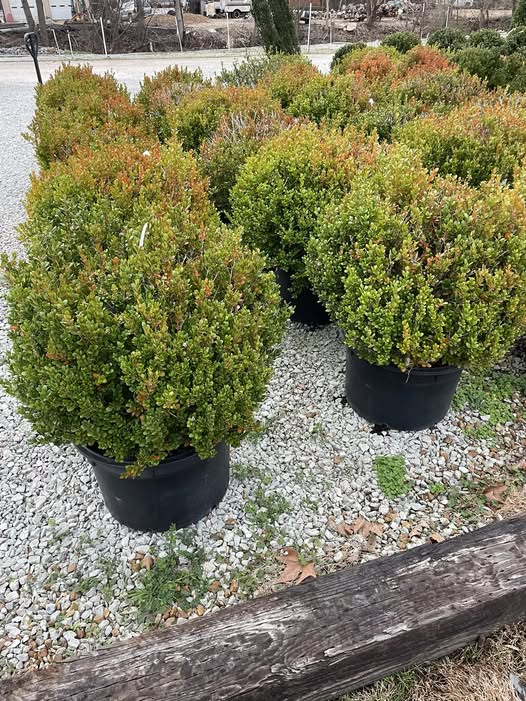
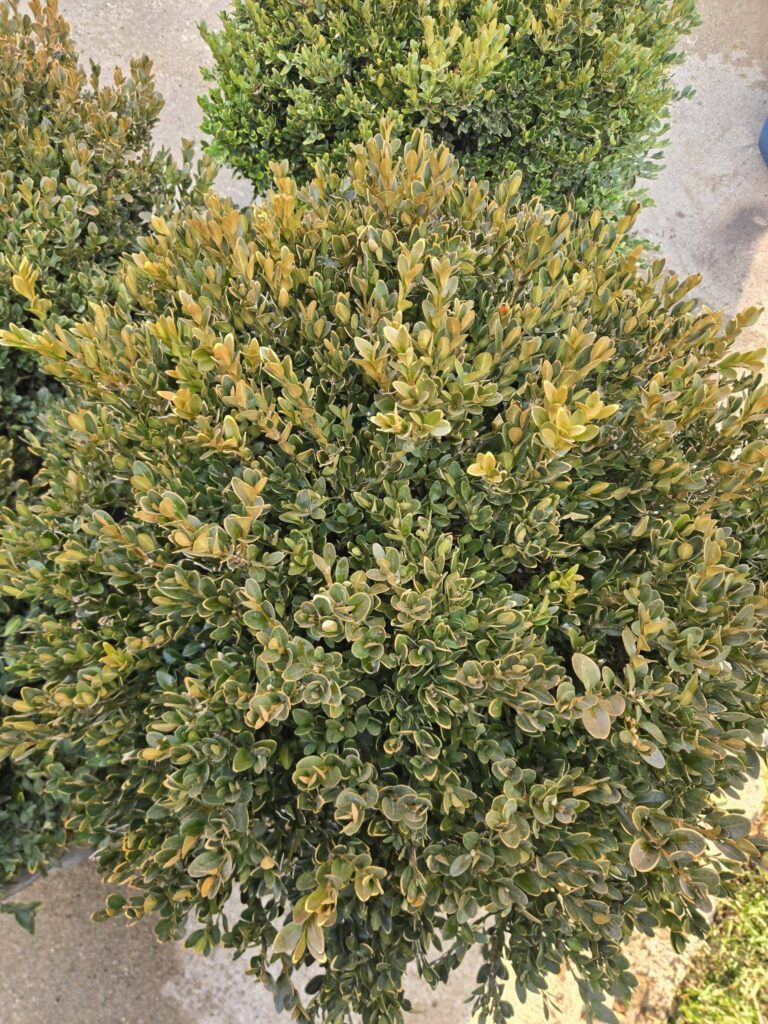
16. Boxwood (Buxus spp.)
Boxwood is perhaps the most classic formal hedge plant. While it grows more slowly than some others on this list — about 6 inches to 1 foot per year — it produces a very dense, refined appearance when clipped. It is excellent for formal garden designs and low-to-medium privacy hedges. Varieties like Buxus sempervirens ‘Graham Blandy’ grow in tighter columnar shapes that maximise height relative to width.
Mature Height: 3 to 15 feet (cultivar-dependent)
Growth Rate: 6 inches to 1 foot per year
Hardiness: USDA Zones 4 to 9
17. Cleyera (Cleyera japonica)
Cleyera is a lesser-known but highly effective evergreen shrub for privacy in warm climates. It grows steadily at about 1 to 2 feet per year and develops a refined, upright form with glossy, dark leaves and attractive reddish stems. It tolerates both full sun and partial shade, which gives it more flexibility in placement than many other screening plants. It is also notably pest and disease resistant.
Mature Height: 8 to 12 feet
Growth Rate: 1 to 2 feet per year
Hardiness: USDA Zones 7 to 9
18. Butterfly Bush (Buddlejaspp.)
While typically known as a pollinator plant, Buddleja can grow impressively fast — up to 4 feet per year — and develop into a large, arching shrub that provides seasonal privacy. Its long flower spikes in purple, pink, white, or red are magnets for butterflies and hummingbirds. It is deciduous, so it loses its leaves in winter, but its sheer size during the growing season makes it worth including on this list, especially for wildlife-friendly gardens.
Mature Height: 6 to 10 feet
Growth Rate: Up to 4 feet per year
Hardiness: USDA Zones 5 to 9
19. Escallonia (Escallonia spp.)
Escallonia is a tough, evergreen shrub that is especially popular in coastal and mild maritime climates. It tolerates salt spray, wind, and drought once established, and produces masses of small pink or red flowers in summer. It grows about 1 to 2 feet per year and clips well into a formal hedge or can be left to grow freely. It is a popular choice in coastal UK and New Zealand gardens.
Mature Height: 6 to 10 feet
Growth Rate: 1 to 2 feet per year
Hardiness: USDA Zones 7 to 10
20. Native Willows (Salix spp.)
For gardeners in wetter areas or near streams and ponds, native willows offer unmatched speed of growth. Varieties such as Salix viminalis (Osier Willow) can be woven into living willow structures, fedges, or allowed to grow freely into tall, dense screens. Growth rates of 4 to 6 feet per year are not unusual in moist conditions. They also support an extraordinary number of insect species, making them one of the most ecologically valuable choices on this list.
Mature Height: 15 to 30 feet
Growth Rate: 4 to 6 feet per year
Hardiness: USDA Zones 4 to 9
How to Choose the Right Fast Growing Shrub for Your Garden
With 20 options in front of you, choosing can feel overwhelming. Here is a straightforward framework to narrow it down.
Start with your climate. The USDA hardiness zone listed for each shrub gives you an immediate filter. There is little point in falling in love with Wax Myrtle if you live in Zone 5, where it will not survive winter.
Consider your soil and moisture. Some shrubs, like native willows and Red-Twig Dogwood, prefer moist conditions. Others, like Escallonia and Wax Myrtle, tolerate drought. Matching the shrub to your existing soil and moisture conditions dramatically reduces maintenance.
Think about height and width. Not every boundary needs a 30-foot screen. A modest patio might need only a 6-foot shrub, and a narrow planting strip calls for a columnar form rather than a wide-spreading one.
Decide between evergreen and deciduous. If year-round privacy is the goal — which it usually is — lean toward evergreen species. If you primarily need screening in summer and can accept a more open look in winter, deciduous options like Forsythia or Elderberry open up.
Factor in maintenance time. Formal hedges like Privet and Boxwood require regular clipping. If you prefer a lower-maintenance approach, species like Viburnum, Escallonia, or Wax Myrtle are happy to grow with minimal intervention.
Planting and Aftercare Tips
The success of any privacy hedge depends as much on how you plant it as which shrub you choose.
Spacing matters significantly. Too close, and plants compete for resources and can become unhealthy. Too far apart, and they take longer to form a solid screen. A general rule is to plant shrubs at roughly half their mature spread apart. For a hedge intended to be 6 feet wide at maturity, plant roughly 3 feet apart.
Soil preparation should not be rushed. Even fast growing shrubs establish better when their roots encounter loose, well-amended soil. Mix in compost or well-rotted organic matter before planting, particularly in heavy clay or very sandy soils.
Watering in the first season is critical. Newly planted shrubs — regardless of how drought-tolerant they are described to be — need consistent moisture while their root systems establish. Plan to water deeply once or twice a week in dry spells for the first full growing season.
Mulching around the base of each plant conserves moisture, moderates soil temperature, and suppresses weeds. A layer of 2 to 3 inches of wood chip or composted bark is ideal.
Fertilising lightly in spring with a balanced granular fertiliser will support strong, healthy growth, but avoid applying too much nitrogen late in the season, as this can produce soft growth that is vulnerable to frost damage.
Common Questions About Privacy Shrubs
How long does it take to grow a privacy hedge? With fast growing species like Green Giant Arborvitae or Leyland Cypress, you can expect a meaningful screen within 3 to 5 years. Slower-growing options may take 7 to 10 years to reach full height.
What is the fastest growing shrub for privacy? Bamboo (running varieties), Leyland Cypress, and Wax Myrtle are among the fastest, each capable of growing 3 to 5 feet or more per year under ideal conditions.
Can I grow a privacy hedge in a shaded area? Yes. Cherry Laurel, Skip Laurel, and Red-Twig Dogwood all tolerate partial shade well and remain effective as privacy screens.
Do I need to prune fast growing privacy shrubs? It depends on the shrub and the look you want. Many fast growers benefit from light annual pruning to encourage dense basal growth. Without pruning, some species can become leggy at the base, creating gaps in the screen.
Suggested For You:
15 Flowering Shrubs for Zone 5: The Best Choices for Cold-Climate Gardens
25 Low Maintenance Shrubs: Beautiful Choices That Take Care of Themselves
15 Drought Tolerant Shrubs: The Best Choices for Dry Gardens and Water-Wise Landscapes
20 Evergreen Shrubs for Borders: Structure, Colour, and Year-Round Presence
15 Winter Interest Shrubs: Colour, Structure, and Life in the Cold-Season Garden
25 Flowering Shrubs for Full Sun: The Complete Guide to a Radiant Garden
Final Thoughts
Choosing the right fast growing shrubs for privacy is one of the more rewarding landscaping decisions a homeowner can make. Unlike a fence, a living screen evolves over time, becoming richer, more layered, and more connected to the broader garden. It creates habitat, softens the landscape, and — perhaps most importantly — gives you the quiet, enclosed outdoor space that so many of us quietly wish we had.
Take the time to match species to your specific conditions, prepare the soil properly, and water well in that first season. The investment in effort is genuinely modest compared to the years of beauty and privacy that follow.
References
- University of Florida IFAS Extension — Shrubs for Florida Landscapes. https://edis.ifas.ufl.edu/publication/MG086
- Penn State Extension — Selecting Landscape Plants: Narrow-Leaved Evergreens. https://extension.psu.edu/selecting-landscape-plants-narrow-leaved-evergreens
- University of Maryland Extension — Shrubs and Hedges. https://extension.umd.edu/resource/shrubs-and-hedges
- Clemson Cooperative Extension — Hollies. https://hgic.clemson.edu/factsheet/hollies/
- Royal Horticultural Society (RHS) — Hedging Plants. https://www.rhs.org.uk/plants/types/shrubs/hedging-plants

Tim M Dave is a gardening expert with a passion for houseplants, particularly cacti and succulents. With a degree in plant biology from the University of California, Berkeley, he has vast experience in gardening. Over the years, he has cultivated a vast collection of desert plants and learned a great deal about how to grow and care for these unique companions.