19 Common Eastern Redbud Tree Problems: Identifying and Solving Them
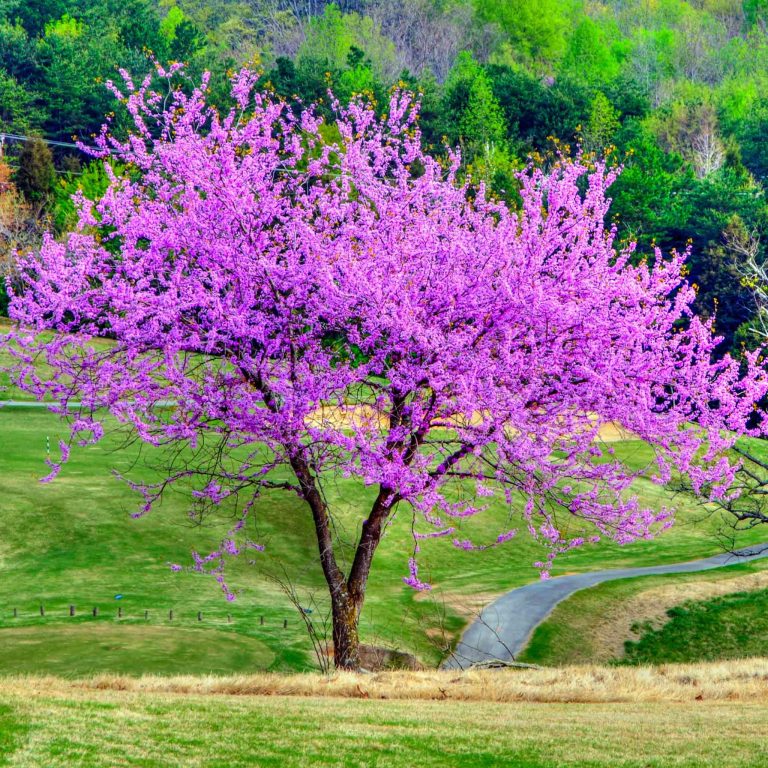
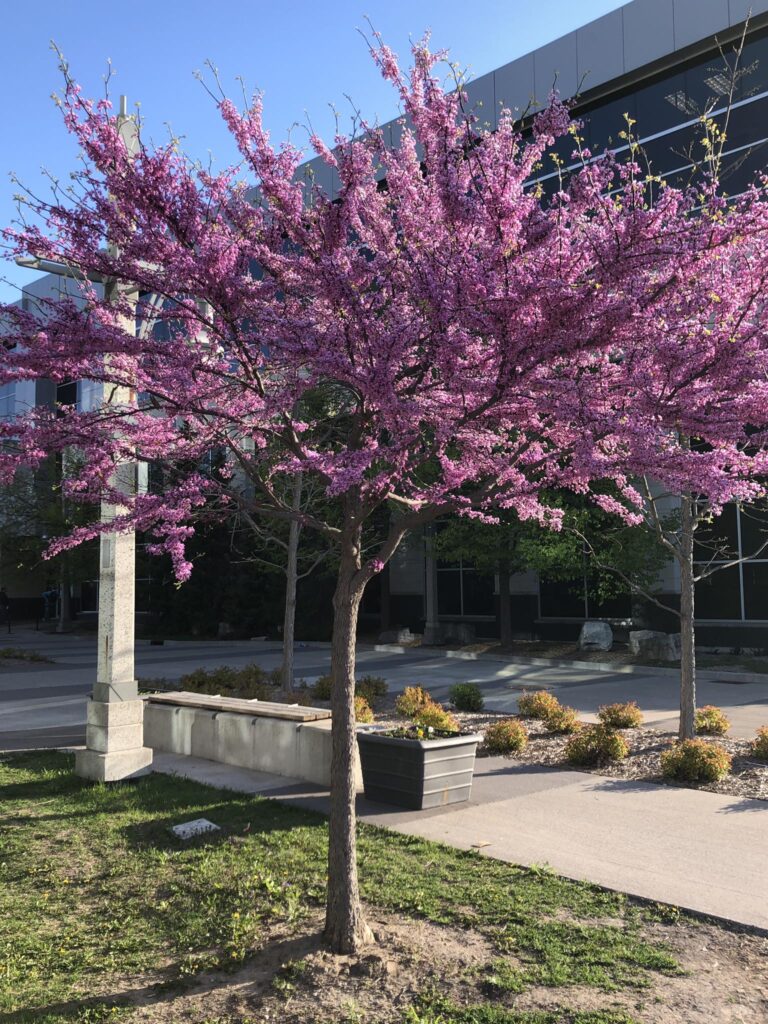
There is something almost magical about an eastern redbud tree in spring. Before a single leaf appears, the bare branches explode with clusters of bright magenta-pink flowers. It is one of the earliest and boldest signs that winter is finally over.
I have seen many gardeners fall in love with this tree at first sight — and then feel genuinely worried when it starts to decline. Brown leaves mid-summer. Dying branches. Bark that looks wrong. A tree that simply stops flowering the way it used to.
The good news is that most eastern redbud tree problems are identifiable, manageable, and — in many cases — entirely preventable. This guide walks you through every major issue, what causes it, what it looks like, and what you can do about it.
What Is the Eastern Redbud Tree?
The eastern redbud, Cercis canadensis, is a small to medium-sized deciduous tree native to eastern North America. It grows naturally from southern Ontario down through the eastern United States into northern Florida and as far west as Nebraska and Texas.
It is one of the most popular ornamental trees in North America for good reason. It is compact (typically 20 to 30 feet tall), visually striking in spring, and adaptable to a wide range of soil conditions. It also provides excellent wildlife value — bees are particularly fond of the early nectar.
However, the eastern redbud is not without its weaknesses. It has a relatively short lifespan compared to many other landscape trees, often living 20 to 40 years under cultivation. It is also susceptible to a number of fungal diseases, environmental stressors, and a few notable pests. Understanding these vulnerabilities is the key to getting the most from this beautiful tree.
Overview of Eastern Redbud Tree Problems
Eastern redbud tree problems generally fall into four broad categories:
- Fungal and bacterial diseases
- Pest infestations
- Environmental and cultural stress
- Structural and physical issues
We will cover each in detail below.
Fungal and Bacterial Diseases
Fungal diseases are the most common and damaging problems that affect eastern redbud trees. Many of them thrive in wet conditions and can spread rapidly if left unaddressed.
1. Verticillium Wilt
Verticillium wilt is arguably the most serious disease threat to eastern redbud trees. It is caused by the soil-borne fungi Verticillium dahliae and Verticillium albo-atrum, which invade the tree’s vascular system and block the flow of water and nutrients.
Symptoms:
- Sudden wilting and yellowing of leaves, often on one side of the tree or on individual branches
- Leaves may scorch at the edges before dropping prematurely
- Branches die back progressively over one or more seasons
- A cross-section of an affected branch reveals dark olive-green or brownish streaking in the sapwood
What makes this disease particularly difficult is that the fungi live in the soil and can persist there for many years — even decades — without a host. A tree planted in infected soil is at risk from the start.
Management:
There is no chemical cure for Verticillium wilt once a tree is infected. Management focuses on supportive care: consistent deep watering, balanced fertilization to reduce stress, and removal of affected branches. In severe cases, the tree may need to be removed. Avoid replanting another susceptible species in the same location.
2. Botryosphaeria Canker (Dieback)
Botryosphaeria canker is caused by fungi in the Botryosphaeria family and is one of the most common causes of branch dieback in eastern redbud trees. It almost always attacks trees that are already under some form of stress — drought, physical injury, or recent transplanting.
Symptoms:
- Sunken, discolored areas of bark (cankers) on branches or the main trunk
- Leaves on affected branches wilt, turn yellow, and die while still attached
- The bark beneath a canker often appears reddish-brown or water-soaked when peeled back
- Amber-colored gum may ooze from infected areas
Management:
Prune infected branches at least 6 inches below the visible canker margin, cutting into healthy wood. Sterilize your pruning tools with a 10% bleach solution or 70% isopropyl alcohol between every cut. Dispose of removed material — do not compost it. Keeping the tree well-watered and avoiding unnecessary wounds goes a long way toward prevention.
3. Cercospora Leaf Spot
Caused by the fungus Cercospora cercidis, this is a very common foliar disease of eastern redbud, especially in humid, warm climates.
Symptoms:
- Circular to irregular tan or brown spots on the upper leaf surface
- Spots are often surrounded by a yellow or reddish halo
- In severe infections, affected leaves yellow and drop early, sometimes as early as midsummer
- The undersides of spots may show small, powdery fungal structures under magnification
Management:
Cercospora leaf spot is rarely fatal to a healthy tree, but repeated early defoliation weakens it over time. Rake and destroy fallen leaves promptly to reduce the source of spores. Fungicide sprays (containing chlorothalonil or mancozeb) applied from leaf emergence through summer can reduce infection in trees with a history of the disease.
4. Powdery Mildew
Powdery mildew is a well-known fungal problem that affects many ornamental trees and shrubs, and the eastern redbud is no exception.
Symptoms:
- White or gray powdery patches on the surface of leaves and young shoots
- Affected leaves may curl, distort, or develop a stunted appearance
- Young growth is most vulnerable
Management:
Powdery mildew rarely kills a redbud outright, but it weakens the tree and reduces its visual appeal. Improve air circulation through light pruning. Neem oil, potassium bicarbonate, or sulfur-based fungicides are all effective when applied at the first sign of infection. Avoid overhead irrigation, which creates the humid surface conditions the fungus needs to germinate.
5. Anthracnose
Anthracnose is a group of fungal diseases caused by several Colletotrichum and Gloeosporium species. It is more common in cool, wet springs.
Symptoms:
- Irregular brown or tan blotches on leaves, often following the leaf veins
- Blighted young shoots that appear burned or water-soaked
- Premature leaf drop in moderate to severe infections
Management:
Remove and dispose of infected plant material. Prune to open up the canopy and reduce humidity. Fungicide applications at bud break and again during leaf expansion can help protect trees with a history of anthracnose. Trees that are otherwise healthy typically recover without permanent damage.
6. Root Rot (Phytophthora Root Rot)
Root rot caused by Phytophthora species is a serious problem in sites with poorly draining or consistently waterlogged soil.
Symptoms:
- General decline: yellowing leaves, reduced growth, sparse canopy
- Wilting even when the soil is moist
- Dark, mushy roots when the root crown is examined
- Bark at the base of the trunk may appear discolored or water-soaked
Management:
Once established, Phytophthora root rot is very difficult to reverse. The best approach is entirely preventive — plant eastern redbuds only in well-draining soil, avoid overwatering, and never allow water to pool around the base of the tree. In marginally drained sites, raised planting can help. Phosphonate-based fungicides may slow progression in some cases.
7. Trunk Decay Fungi
Eastern redbud trees, particularly older specimens, are susceptible to wood-decay fungi that enter through wounds, old pruning cuts, or dead branch stubs.
Symptoms:
- Bracket-shaped or shelf-like fungal fruiting bodies (conks) growing from the trunk or major branches
- Soft, spongy, or hollow areas in the wood
- Bark that appears cracked, sunken, or abnormally dark
Management:
Once internal decay is established, it cannot be reversed. The priority becomes assessing structural safety — a heavily decayed trunk poses a real risk of failure. Consult a certified arborist if you notice significant fungal growth on the trunk or main scaffold branches. Avoid creating unnecessary wounds, which serve as entry points for decay organisms.
Pest Problems
Eastern redbud trees face a smaller range of serious pest problems compared to many other ornamentals, but there are several insects worth knowing.
8. Redbud Lecanium Scale
The lecanium scale (Parthenolecanium species) is one of the most commonly encountered pests of eastern redbud. These are soft scale insects that feed on the sap of branches and twigs.
Symptoms:
- Small, dome-shaped brown bumps on bark (the adult scale covers)
- Sticky, shiny honeydew deposits on leaves and surfaces below the tree
- Sooty mold (black fungal growth) developing on honeydew
- Yellowing, reduced vigour, and dieback in severe infestations
Management:
Horticultural oil applied in late winter or early spring, while the tree is dormant, smothers overwintering eggs and early nymphs effectively. Systemic insecticides (such as imidacloprid) can be applied as a soil drench in early spring for more persistent control. Encouraging natural predators — parasitic wasps and ladybirds — is also valuable.
9. Treehoppers
Several treehopper species (Membracidae family) use eastern redbud as a host. They feed on sap and lay eggs by cutting slits into young twigs.
Symptoms:
- Semi-circular cuts or slits in the bark of young twigs (egg-laying scars)
- Twig tips may die back beyond the egg scars
- Honeydew and sooty mold if feeding populations are high
Management:
Treehoppers rarely cause serious long-term harm to healthy trees. Light infestations can be ignored or controlled with insecticidal soap. Prune and dispose of heavily scarred twigs to reduce the egg population for the following season.
10. Caterpillars and Leaf-Chewing Insects
Various caterpillar species occasionally feed on redbud foliage, including tent caterpillars, fall webworms, and various moth larvae. Japanese beetles may also chew leaves in regions where they are established.
Symptoms:
- Ragged, chewed leaf edges or holes in leaves
- Silk tents or webbing in branch crotches (tent caterpillars, fall webworm)
- Skeletonized leaves (Japanese beetle feeding)
Management:
For tent caterpillars and webworms, remove and destroy silk tents manually in the early morning when larvae are inside. Bacillus thuringiensis (Bt), a biological insecticide, is effective against caterpillars and environmentally friendly. For Japanese beetles, hand-picking into soapy water works well for small populations.
11. Borers
Both the dogwood borer (Synanthedon scitula) and various flatheaded borers can attack eastern redbud, particularly trees that are already weakened or stressed.
Symptoms:
- Small round or D-shaped exit holes in the bark
- Sawdust-like frass at the base of the tree or near holes
- Gummosis (gum oozing from bark)
- Branch dieback and structural weakness
Management:
Healthy, vigorous trees are far less attractive to borers. Prevent stress through proper watering, mulching, and avoiding bark wounds. Insecticide applications (permethrin or similar) to the trunk in late spring, when adults are laying eggs, can serve as a preventive measure. Once larvae are inside the wood, they are difficult to control.
Environmental and Cultural Stress Problems
Many of the most common eastern redbud problems are not caused by pathogens or insects at all — they are caused by poor growing conditions or management mistakes.
12. Drought Stress
Eastern redbud trees, while reasonably drought-tolerant once established, can suffer significantly during prolonged dry periods — particularly in their first few years after planting.
Symptoms:
- Leaves that wilt, curl at the edges, or turn yellow and drop in summer
- Leaf scorch (brown, crispy leaf margins)
- Early autumn leaf drop
- Increased susceptibility to Botryosphaeria canker and borers
Management:
Water deeply and infrequently rather than with light, frequent irrigation. During establishment (the first two to three years), water once or twice a week in the absence of rain. Apply 3 to 4 inches of organic mulch around the root zone, keeping it away from the trunk, to retain soil moisture.
13. Overwatering and Waterlogged Soil
Just as drought is harmful, too much water is equally damaging — and often more so. Eastern redbud trees are notably intolerant of standing water and heavy, constantly saturated soils.
Symptoms:
- Yellowing leaves (similar in appearance to drought stress)
- Wilting despite moist or wet soil
- Root rot developing below the surface
- Overall decline and dieback
Management:
Always plant eastern redbud in well-draining soil. If your soil drains poorly, consider raised planting or choosing a different tree species for that location. Do not apply mulch in a way that directs water toward the trunk base.
14. Transplant Shock
Eastern redbud trees can be sensitive to transplanting, particularly if moved when in active growth or with significant root disturbance.
Symptoms:
- Wilting, leaf drop, or sparse foliage in the first season after planting
- Slow establishment over two to three years
- Dieback of branch tips
Management:
Plant in early spring or autumn when temperatures are mild. Water consistently throughout the first two growing seasons. Avoid heavy fertilization immediately after planting — it pushes growth the root system cannot yet support.
15. Soil pH and Nutrient Issues
Eastern redbud prefers a slightly acidic to neutral soil (pH 6.0 to 7.5). Outside this range, nutrient availability can be affected.
Symptoms:
- Interveinal chlorosis (yellowing between leaf veins while veins stay green) — often a sign of iron or manganese deficiency linked to high soil pH
- Slow or stunted growth
- Pale, off-colour foliage
Management:
A soil test is the most reliable first step. If the pH is too high, sulfur applications can gradually acidify the soil. Iron chelates can address iron deficiency in the short term. Work with your local extension office for specific soil amendment recommendations for your region.
16. Frost and Cold Damage
While eastern redbud is generally cold-hardy in Zones 4 through 9, late spring frosts can damage or kill the early blossoms — and in Zone 4, harsh winters can cause significant dieback.
Symptoms:
- Browned, wilted flowers after a late frost event
- Young shoot tips that turn brown and die back in spring
- Branch dieback following an unusually cold winter
Management:
In colder zones, plant in a sheltered location with protection from prevailing cold winds. If frost is forecast after bloom has begun, covering a small tree with frost cloth overnight can protect the flowers. Prune frost-damaged wood back to healthy tissue in late spring once new growth confirms which branches have survived.
17. Heat and Sun Scald
In regions with very hot summers or intense afternoon sun, eastern redbud can suffer from leaf scorch and sun scald on the bark — particularly on younger, thin-barked trees.
Symptoms:
- Brown, crispy patches on leaf margins and tips (leaf scorch)
- Sunken, discolored patches of bark on the south or southwest-facing side of the trunk (sun scald)
- Premature leaf drop in extreme heat
Management:
A 3- to 4-inch mulch layer around the root zone significantly reduces soil temperature and moisture loss. Avoid planting in locations with relentless afternoon sun in hot climate zones. Bark wraps on young trees during the first few winters can help prevent frost cracking and scald.
Structural and Physical Issues
18. Storm Damage and Branch Breakage
Eastern redbud trees have relatively brittle wood compared to many other landscape trees. They are prone to branch breakage during ice storms, strong winds, or heavy snow loads.
Management:
Maintain a well-structured canopy through regular pruning. Remove co-dominant stems (two leaders of equal size) early in the tree’s life to reduce the risk of the tree splitting at the base. After storm damage, prune broken branches cleanly to prevent bark tearing and decay entry.
19. Poor Pruning Wounds
Improper pruning — cutting too close to the trunk, leaving stubs, or making ragged cuts — creates entry points for fungal and bacterial pathogens.
Management:
Always use sharp, clean pruning tools. Make cuts just outside the branch collar (the slightly swollen area at the branch base). Do not cut flush with the trunk. Do not leave stubs. Do not seal wounds with paint or tar — it does more harm than good.
How to Keep Your Eastern Redbud Healthy: Prevention Summary
Most of the problems covered in this article become far less likely when the tree is planted correctly and maintained well. Here is a practical prevention framework:
Choose the right site. Full sun to partial shade, well-draining soil, enough space for the canopy to develop without crowding.
Plant at the right depth. The root flare (where the trunk transitions to roots) should be at or just above the soil surface — never buried.
Mulch properly. 3 to 4 inches of organic mulch over the root zone, kept away from the trunk. This is one of the single highest-value things you can do for any tree.
Water consistently. Deep and infrequent. Especially important in the first two to three years and during summer dry spells.
Prune thoughtfully. Remove dead and crossing branches in late summer. Use clean tools. Avoid unnecessary wounds.
Monitor regularly. Walk around your redbud a few times each growing season. Catching a problem early — whether a canker, a scale infestation, or a wilting branch — gives you far more options than waiting until it becomes severe.
Is Your Eastern Redbud Worth Saving?
This is a question worth asking honestly when problems become severe. Eastern redbud trees have a relatively short cultivated lifespan, and a tree with advanced Verticillium wilt, extensive trunk decay, or severe structural failure may be beyond recovery.
When in doubt, consult a certified arborist (look for ISA certification). They can assess structural integrity and disease severity, and give you an honest opinion on whether remediation is worthwhile or whether removal and replanting is the smarter path.
A healthy young replacement, properly planted and sited, will almost always outperform a declining older tree within a few years.
Suggested For You:
Kwanzan Cherry Tree (Prunus serrulata ‘Kwanzan): Size, Common Problems, and Full Care Guide
Jane vs Ann Magnolia Tree: Comparisons + Which One to Choose for Your Garden?
Ann Magnolia Tree Size: How Big Does It Really Grow and Why It Matters
20 Common Magnolia Tree Problems: Brown Leaves, Diseases, Pests, and What to Do About Them
15 Best Fast-Growing Trees for Firewood: Best Species for Heat on Demand
Final Thoughts
The eastern redbud is a genuinely special tree. Few ornamentals deliver its combination of early-season colour, compact size, and ecological value. But like all living things, it has its vulnerabilities.
The problems described in this guide — from Verticillium wilt and Botryosphaeria canker to drought stress and borer damage — are real. They are also, in most cases, manageable. Knowledge is the most important tool you have.
Knowing what to look for, acting early, and keeping the tree in the best possible growing conditions gives it the strongest chance of a long and beautiful life.
With proper care and a watchful eye, your eastern redbud can reward you season after season — one spectacular spring bloom at a time.
References
- University of Florida IFAS Extension – Cercis canadensis: Eastern Redbud https://edis.ifas.ufl.edu/publication/ST148
- Penn State Extension – Verticillium Wilt of Trees and Shrubs https://extension.psu.edu/verticillium-wilt
- NC State Extension – Cercis canadensis Plant Profile and Pest Notes https://plants.ces.ncsu.edu/plants/cercis-canadensis/
- University of Illinois Extension – Eastern Redbud: Selection and Care https://web.extension.illinois.edu/treeselector/detail.cfm?TreeID=84
- Missouri Botanical Garden – Cercis canadensis Plant Finder https://www.missouribotanicalgarden.org/PlantFinder/PlantFinderDetails.aspx?taxonid=276984

Tim M Dave is a gardening expert with a passion for houseplants, particularly cacti and succulents. With a degree in plant biology from the University of California, Berkeley, he has vast experience in gardening. Over the years, he has cultivated a vast collection of desert plants and learned a great deal about how to grow and care for these unique companions.