Top Answer: Do You Deadhead Hydrangeas?
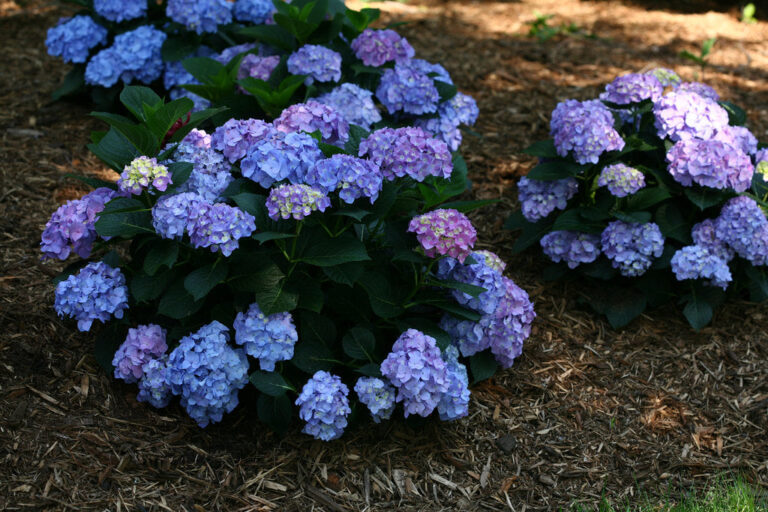
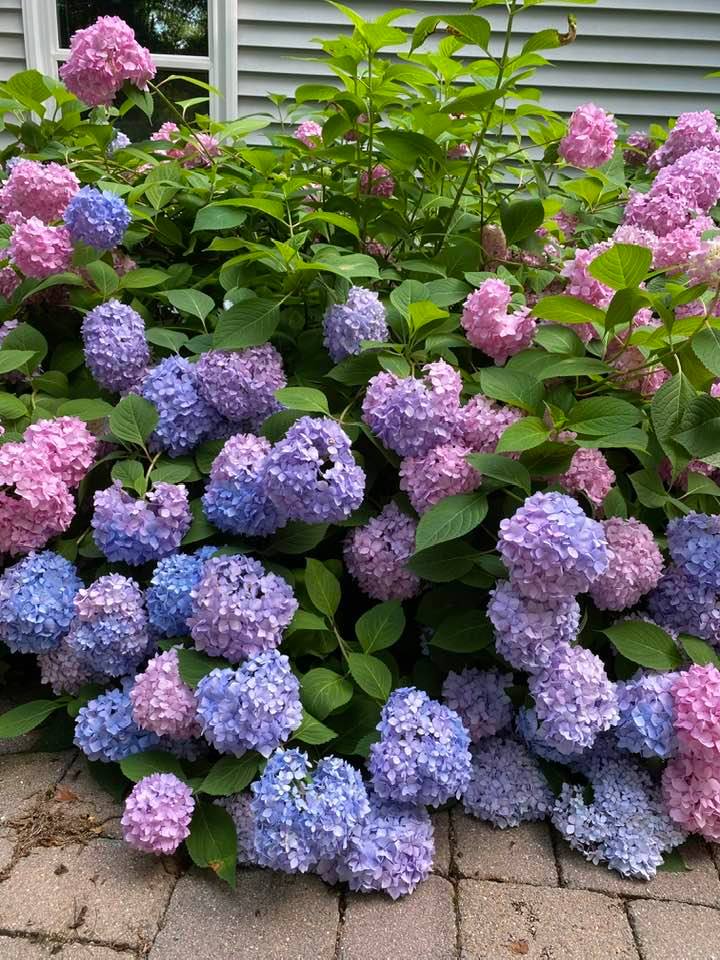
Hydrangeas are the showstoppers of any garden. Their lush, colorful blooms can transform a backyard into a vibrant oasis. But as a homeowner in the U.S., you might wonder: Do you deadhead hydrangeas? The short answer is yes, but there’s so much more to it.
Deadheading hydrangeas can keep your plants healthy, encourage more blooms, and enhance your garden’s beauty. In this guide, I’ll walk you through everything you need to know about deadheading hydrangeas, from why it matters to step-by-step instructions, seasonal tips, and common mistakes to avoid.
What Is Deadheading, and Why Does It Matter?
Deadheading is the process of removing spent or faded flowers from a plant. For hydrangeas, this means snipping off those wilted blooms that have lost their charm. I remember the first time I noticed my hydrangeas looking droopy after a hot summer in my backyard.
The once-vibrant flowers had turned brown, and I wondered if I was doing something wrong. That’s when I learned about deadheading.
Deadheading serves several purposes:
- Encourages new blooms: By removing old flowers, you redirect the plant’s energy to producing new ones.
- Improves appearance: It keeps your hydrangeas looking tidy and vibrant.
- Prevents seed production: This saves energy for the plant to focus on growth.
- Reduces disease risk: Removing dead blooms can prevent fungal issues, especially in humid climates like the Southeast U.S.
Hydrangeas are popular across American gardens, from the humid South to the cooler Northeast. Whether you’re growing mophead, lacecap, or panicle hydrangeas, deadheading can make a big difference.
Should You Deadhead Hydrangeas?
Yes, you should deadhead hydrangeas, but the when and how depend on the type and your goals. Deadheading isn’t mandatory, but it’s highly beneficial. Here’s why I recommend it for gardeners:
- Aesthetic appeal: Faded blooms can make your garden look neglected. Deadheading keeps it fresh.
- Plant health: Removing spent flowers reduces the risk of pests and diseases, especially in humid areas like Florida or Georgia.
- More blooms: For reblooming varieties like Endless Summer, deadheading can encourage a second flush of flowers.
- Winter preparation: In colder regions like Minnesota, deadheading helps the plant focus energy on root growth before dormancy.
However, there are times when you might skip deadheading. For example, some gardeners leave faded blooms on oakleaf hydrangeas for winter interest. The dried flowers can look beautiful dusted with snow. It’s a personal choice, but I prefer the clean look of deadheaded plants.
When to Deadhead Hydrangeas
Timing is everything. Deadhead too early, and you might stunt new growth. Too late, and you could remove next year’s buds. Here’s a breakdown by season and hydrangea type, based on different U.S. climates:
Spring
In early spring (March–April), check your hydrangeas as they wake up. Remove any dead or damaged blooms left from last season. Pruning during spring is best for light cleanup after winter.
- Bigleaf and oakleaf hydrangeas: Be gentle, as these bloom on old wood. Only remove clearly dead flowers.
- Panicle and smooth hydrangeas: You can be more aggressive, as these bloom on new wood.
My Tip: In my Chicago garden, I wait until the last frost (around mid-April) to avoid damaging new growth.
Summer
Summer (June–August) is when most hydrangeas bloom. As flowers fade, deadhead them to encourage reblooming in varieties like Endless Summer. In most regions, this is considered the main deadheading season.
My Tip: Last summer, I noticed my ‘Annabelle’ hydrangeas looked tired by July. A quick deadheading session brought back their vigor.
Fall
In fall (September–October), deadhead to prepare plants for winter. This is especially important in colder zones (like USDA Zones 3–5). This gives a perfect final cleanup before dormancy.
- Bigleaf hydrangeas: Avoid heavy pruning in fall, as you might cut off next year’s buds.
- Panicle and smooth hydrangeas: You can deadhead and even prune lightly, as they’ll bloom on new growth.
My Tip: In my friend’s Michigan garden, she deadheads in early fall to prevent heavy snow from breaking branches.
Winter
In most U.S. regions, hydrangeas are dormant in winter. You can leave faded blooms for visual interest or remove them in early spring.In mild climates like Southern California, you might deadhead lightly if blooms fade early.
Pro tip: Check your USDA Hardiness Zone to fine-tune timing. For example, Zone 7 gardeners (like those in Virginia) can deadhead later in fall than Zone 4 gardeners (like those in Wisconsin).
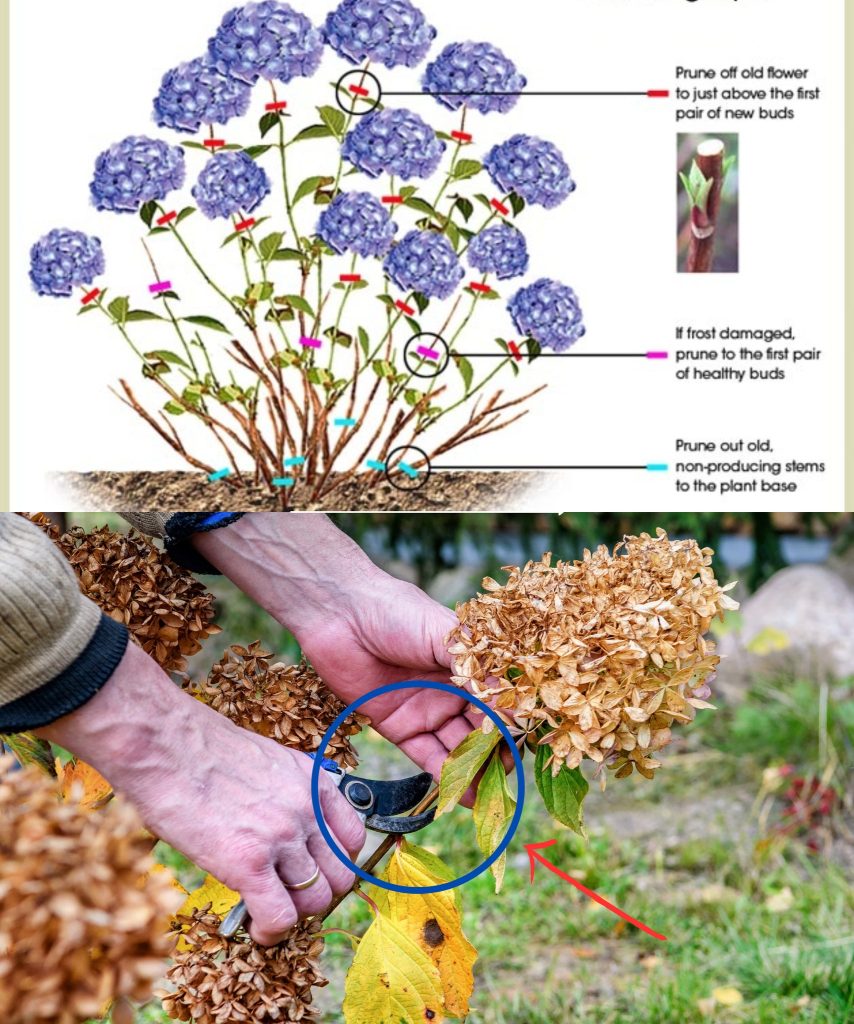
How to Deadhead Hydrangeas: Step-by-Step Guide
Now, let’s get to the fun part—actually deadheading your hydrangeas! Here’s a simple, foolproof process I use in my garden:
Tools You’ll Need
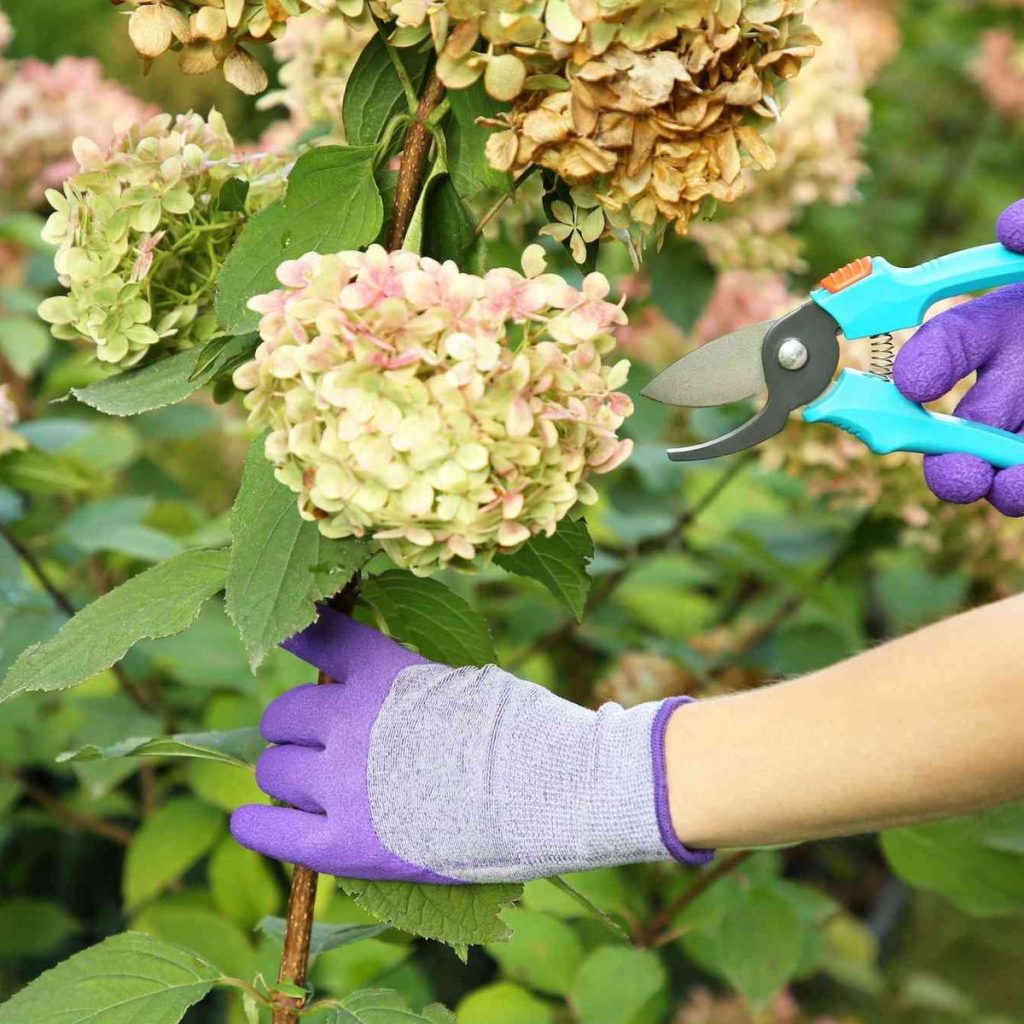
- Sharp, clean pruning shears (I love my Felco pruners for precision).
- Gloves to protect your hands.
- A bucket for collecting spent blooms.
- Disinfectant (like rubbing alcohol) to clean tools and prevent disease spread.
Step-by-Step Instructions
- Identify faded blooms: Look for flowers that are brown, wilted, or papery. Healthy blooms are vibrant and firm.
- Locate the cut point: For most hydrangeas, cut just below the spent flower head, above the first set of healthy leaves or buds.
- Bigleaf and oakleaf: Cut close to the flower but avoid removing buds below.
- Panicle and smooth: You can cut a bit lower, as these bloom on new wood.
- Make the cut: Use sharp shears to make a clean, angled cut. This reduces water pooling and disease risk.
- Clean up: Collect the removed blooms for composting or disposal. Don’t leave them on the ground, as they can harbor pests.
- Sanitize tools: Wipe your shears with disinfectant between plants to prevent spreading diseases.
My First Deadheading Experience
I’ll never forget my first attempt at deadheading. I was nervous about cutting too much off my mophead hydrangea. But once I got the hang of it, it was like giving my plant a haircut—it looked so much better! Start small, and you’ll gain confidence.
Hydrangea Deadheading by Type
Just like in pruning, it’s crucial to understand your hydrangea because deadheading techniques differ. I learned this the hard way when I accidentally pruned my mophead hydrangea too late in the season and missed out on blooms the next year!
Each hydrangea type has specific needs. Here’s a detailed look at how to deadhead the most common varieties in American gardens.
Bigleaf Hydrangeas (Mophead and Lacecap)
These are the classic hydrangeas with large, round blooms. You’ll find mopheads (big, ball-like flowers) and lacecaps (flatter, delicate blooms). They’re common in coastal areas like California and the Northeast.
- Bloom time: Early to mid-summer.
- Deadheading approach: These bloom on old wood, so be cautious. Only remove the faded flower head, leaving the buds below intact.
- Tip: If you’re in a warm climate (like Florida), deadhead regularly to encourage reblooming in varieties like Endless Summer.
- Mistake to avoid: Don’t prune too late in the season, or you’ll lose next year’s blooms.
Panicle Hydrangeas
Known for cone-shaped flower heads, these are hardy and thrive in colder climates like the Midwest. Varieties like ‘Limelight’ are popular.
- Bloom time: Mid to late summer.
- Deadheading approach: These are the easiest to deadhead. Cut faded blooms back to a healthy set of leaves or even further, as they bloom on new wood.
- Tip: In cooler climates (like Minnesota), deadhead in fall to prepare for winter.
- Mistake to avoid: Don’t be afraid to cut back; these are resilient plants.
Smooth Hydrangeas
Think ‘Annabelle’ with its massive white blooms. These are native to the U.S. and grow well in many regions.
- Bloom time: Early to mid-summer.
- Deadheading approach: Similar to panicle hydrangeas, cut back to healthy leaves. You can also prune lightly to shape the plant.
- Tip: In my Ohio garden, I deadhead ‘Annabelle’ in summer to keep it tidy.
- Mistake to avoid: Don’t leave faded blooms too long, as they can weigh down branches.
Oakleaf Hydrangeas
These have distinctive oak-like leaves and are native to the Southeast. Their blooms turn a lovely reddish hue as they fade.
- Bloom time: Early summer to fall.
- Deadheading approach: Deadhead lightly, as these also bloom on old wood. Remove only the spent blooms.
- Tip: In the Southeast, where oakleaf hydrangeas thrive, consider leaving some blooms for fall color.
- Mistake to avoid: Don’t cut too far down, as you might remove next year’s buds.
Climbing Hydrangeas
These vines are less common but stunning for trellises. They’re slow to establish but worth the wait.
- Bloom time: Late spring to early summer.
- Deadheading approach: Minimal deadheading is needed. Snip off faded blooms to keep the vine tidy.
- Tip: These are slow growers, so be patient. Deadheading can help focus energy on new growth.
- Mistake to avoid: Don’t over-prune, as it can slow establishment.
Common Mistakes to Avoid When Deadheading Hydrangeas
Even seasoned gardeners make mistakes. Here are some pitfalls I’ve learned to avoid:
- Cutting too much: Especially with bigleaf and oakleaf hydrangeas, cutting too far down can remove next year’s buds. Always check for buds before cutting.
- Deadheading at the wrong time: Late-season pruning of old-wood bloomers can ruin next year’s flowers. Stick to the recommended timing.
- Using dull tools: Blunt shears can crush stems, leading to disease. Keep your tools sharp and clean.
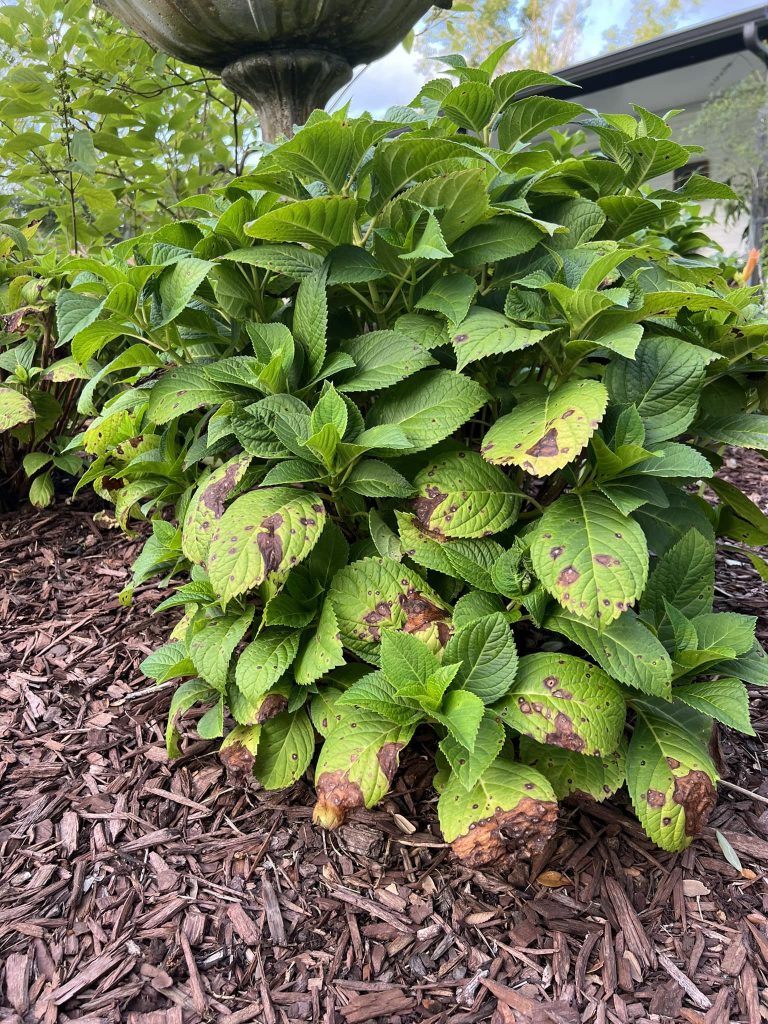
- Ignoring plant health: If your hydrangea looks stressed (yellowing leaves, wilting), address those issues before deadheading.
- Leaving clippings on the ground: This can attract pests or fungi, especially in humid areas like the Gulf Coast.
Regional Tips for Deadheading Hydrangeas in the U.S.
Hydrangea care varies across America’s diverse climates. Here are tips tailored to different regions:
Northeast (USDA Zones 3–6): The climatic conditions of this region are cold winters and moderate summers. Deadhead in summer and early fall to prepare for harsh winters. Protect bigleaf hydrangeas with mulch to preserve buds.
Southeast (USDA Zones 7–9): This region experiences hot, humid summers and mild winters. Deadhead regularly in summer to prevent fungal issues. Oakleaf hydrangeas thrive here, so consider leaving some blooms for fall interest.
Midwest (USDA Zones 4–6): The region’s climatic conditions include cold winters and warm summers. Focus on panicle and smooth hydrangeas, which are hardy. Deadhead in fall to reduce winter damage.
West Coast (USDA Zones 7–10): The climate is mild, with wet winters in the Northwest and dry summers. In California, deadhead bigleaf hydrangeas frequently to maintain blooms in mild weather. In the Northwest, protect plants from heavy rain.
Southwest (USDA Zones 7–9): Due to hot, dry summers and mild winters, choose heat-tolerant varieties like panicle hydrangeas—deadhead in summer to conserve water and energy.
Beyond Deadheading: General Hydrangea Care Tips
Deadheading is just one part of keeping hydrangeas healthy. Here are additional tips to ensure your plants thrive:
- Watering: Hydrangeas love water. Keep soil moist but not soggy. In dry areas like California, mulch helps retain moisture.
- Fertilizing: Use a balanced fertilizer (like 10-10-10) in spring. Avoid over-fertilizing, as it can reduce blooms.
- Pruning: Beyond deadheading, prune sparingly for old-wood bloomers. New-wood bloomers can handle heavier pruning in late winter.
- Soil pH: For bigleaf hydrangeas, soil pH affects bloom color (acidic for blue, alkaline for pink). Test your soil and adjust if needed.
- Pest control: Watch for aphids and spider mites, especially in warm climates. Use insecticidal soap if needed.
FAQs
Here are answers to common questions American homeowners ask:
Q: Can I deadhead hydrangeas in winter?
A: It’s not ideal. Most hydrangeas are dormant in winter, so wait until spring for major cleanup. In mild climates, light deadheading is okay.
Q: Will deadheading make my hydrangeas bloom again?
A: For reblooming varieties like Endless Summer, yes. For others, it may not trigger new blooms but will improve plant health.
Q: Do I need to deadhead every year?
A: It’s not mandatory, but annual deadheading keeps plants tidy and healthy. I do it every summer for best results.
Q: Can I compost deadheaded blooms?
A: Yes, as long as they’re free of disease. Avoid composting if you notice mold or pests.
Q: What if I accidentally cut off buds?
A: Don’t panic! For old-wood bloomers, you might lose some blooms next season. New-wood bloomers will recover quickly.
Suggested For You:
Fall or Spring? When to Cut Back Hydrangeas
The Ultimate Guide: Using Organic Mulch for Hydrangeas
How to Revive Hydrangeas After Frost: Journey to Lush Summer and Fall Blooms
How to Get Hydrangeas to Rebloom: Step-by-Step
Understanding Reblooming Hydrangeas + When to Plant Them
Final thoughts
Deadheading hydrangeas is a simple yet powerful way to keep your garden looking its best. Whether you’re in the humid Southeast or the chilly Midwest, understanding your hydrangea type and timing your deadheading correctly can make all the difference.
With sharp shears, a little patience, and these tips, you’ll have vibrant, healthy hydrangeas that steal the show in your garden. So grab your tools and start snipping—your hydrangeas will thank you!
References
- The American Horticultural Society. (2023). Pruning and Training. DK Publishing.
Link - University of Georgia Extension. (2022). Growing Hydrangeas in the Home Garden.
Link - Missouri Botanical Garden. (2023). Hydrangea Care Guide.
Link - USDA Plant Hardiness Zone Map. (2023).
Link

Tim M Dave is a gardening expert with a passion for houseplants, particularly cacti and succulents. With a degree in plant biology from the University of California, Berkeley, he has vast experience in gardening. Over the years, he has cultivated a vast collection of desert plants and learned a great deal about how to grow and care for these unique companions.