Crabapple (Malus spp.): Identification, Cultivation, Maintenance, Issues, and More
Walk through almost any temperate garden in spring, and you are likely to stop in your tracks. A crabapple tree in full bloom is genuinely hard to ignore. The branches burst with white, pink, or deep crimson flowers, and the fragrance drifts across the yard like a quiet invitation.
But crabapple trees are far more than ornamental showpieces. They feed wildlife, support pollinators, produce edible fruit, and adapt to a remarkably wide range of growing conditions.
Whether you are a home gardener, a landscape professional, or simply curious about this genus, this guide covers everything you need to know about Malus spp. — from taxonomy and cultivar selection to planting, care, and culinary use.
What Is a Crabapple? Taxonomy and Classification
Crabapple refers to any species or hybrid within the genus Malus whose fruit measures 2 inches (5 cm) or less in diameter. Fruit larger than that is classified as a common apple. The distinction, though simple, is botanical convention rather than a rigid rule.
The genus Malus belongs to the family Rosaceae — the rose family — and includes approximately 35 to 55 wild species, depending on taxonomic authority. Hundreds of cultivated varieties have been developed over the past two centuries, expanding the options for gardeners considerably.
Crabapples are native to temperate regions of the Northern Hemisphere, including North America, Europe, and Asia. Some of the most significant wild species include:
- Malus sylvestris — the European wild crabapple, found across much of Europe and western Asia
- Malus baccata — the Siberian crabapple, known for exceptional cold hardiness
- Malus floribunda — the Japanese flowering crabapple, widely used in ornamental horticulture
- Malus coronaria — the sweet crabapple, native to eastern North America
- Malus sargentii — Sargent’s crabapple, a compact, low-growing species from Japan
Physical Characteristics: What Does a Crabapple Look Like?
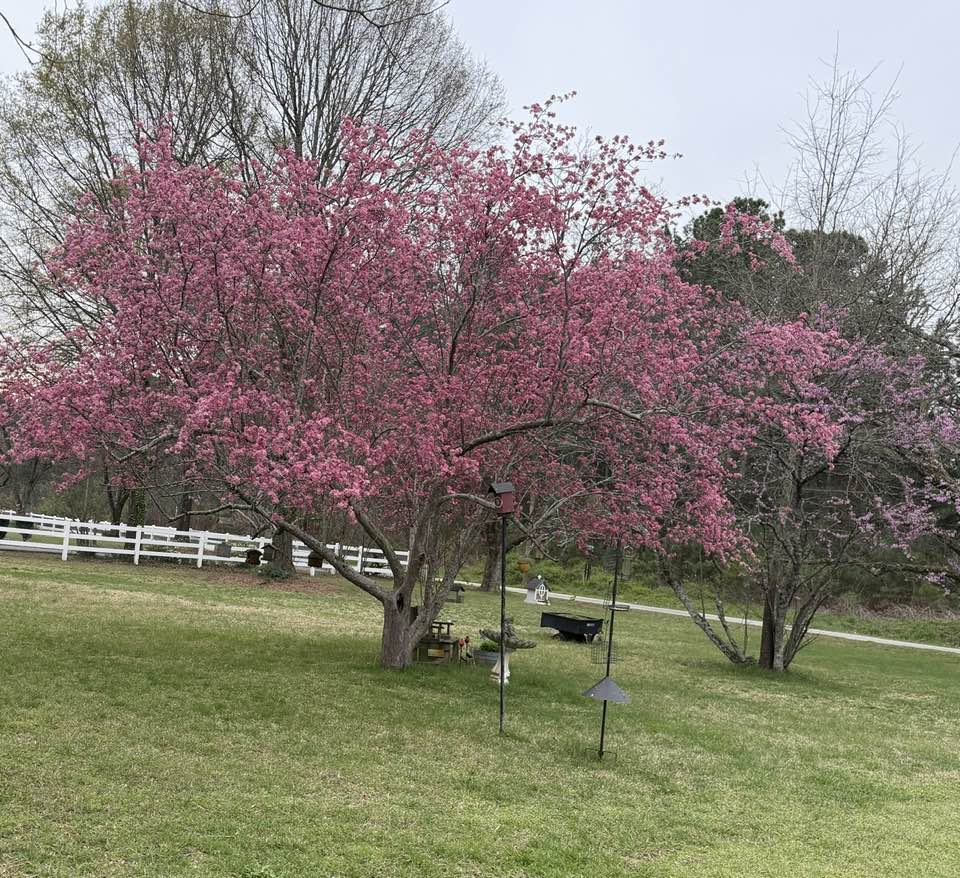
Crabapple trees are deciduous, meaning they shed their leaves each autumn. They range in size from compact shrubs as short as 4 feet to full-sized trees reaching 25 to 30 feet in height and spread.
The growth habit varies by cultivar — some are broadly rounded, others are narrowly upright (columnar), and some have gracefully weeping branches that cascade toward the ground. This variety makes crabapples one of the most flexible trees for landscape design.
The leaves are typically oval to elliptical with serrated margins, emerging green in spring and often turning attractive shades of yellow, orange, or red in autumn. Some cultivars maintain deep purple or bronze foliage throughout the growing season.
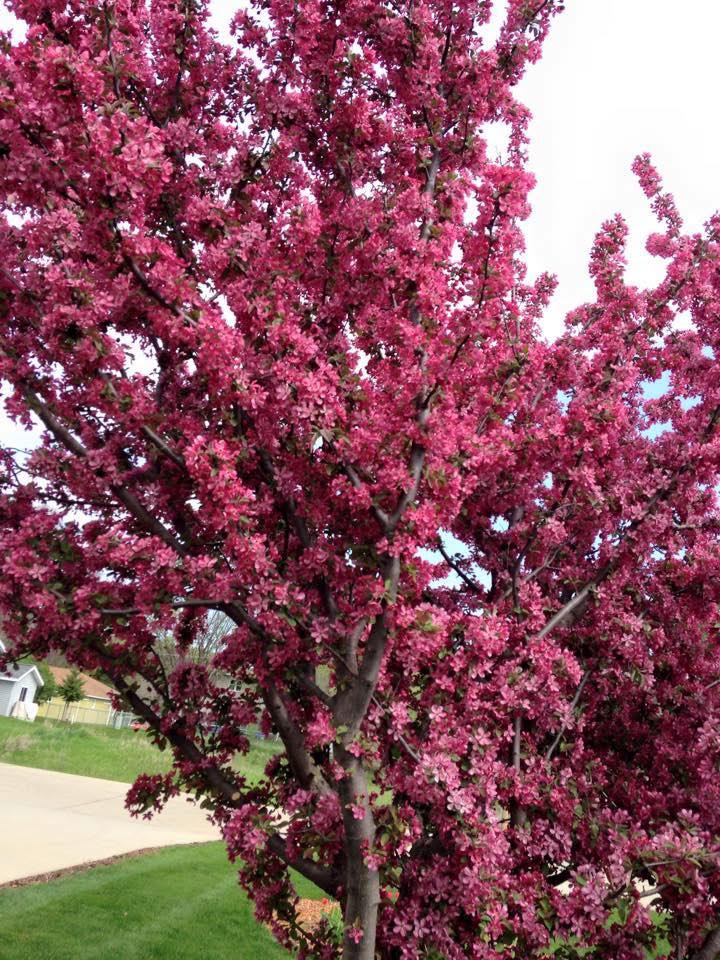
Flowers appear in mid-spring, usually from late April through May depending on location and climate. They are five-petaled, borne in clusters, and range in color from pure white to soft pink, rose, magenta, and deep red-purple. Many varieties open as a rich pink in bud before fading to white at full bloom — a subtle but beautiful effect.
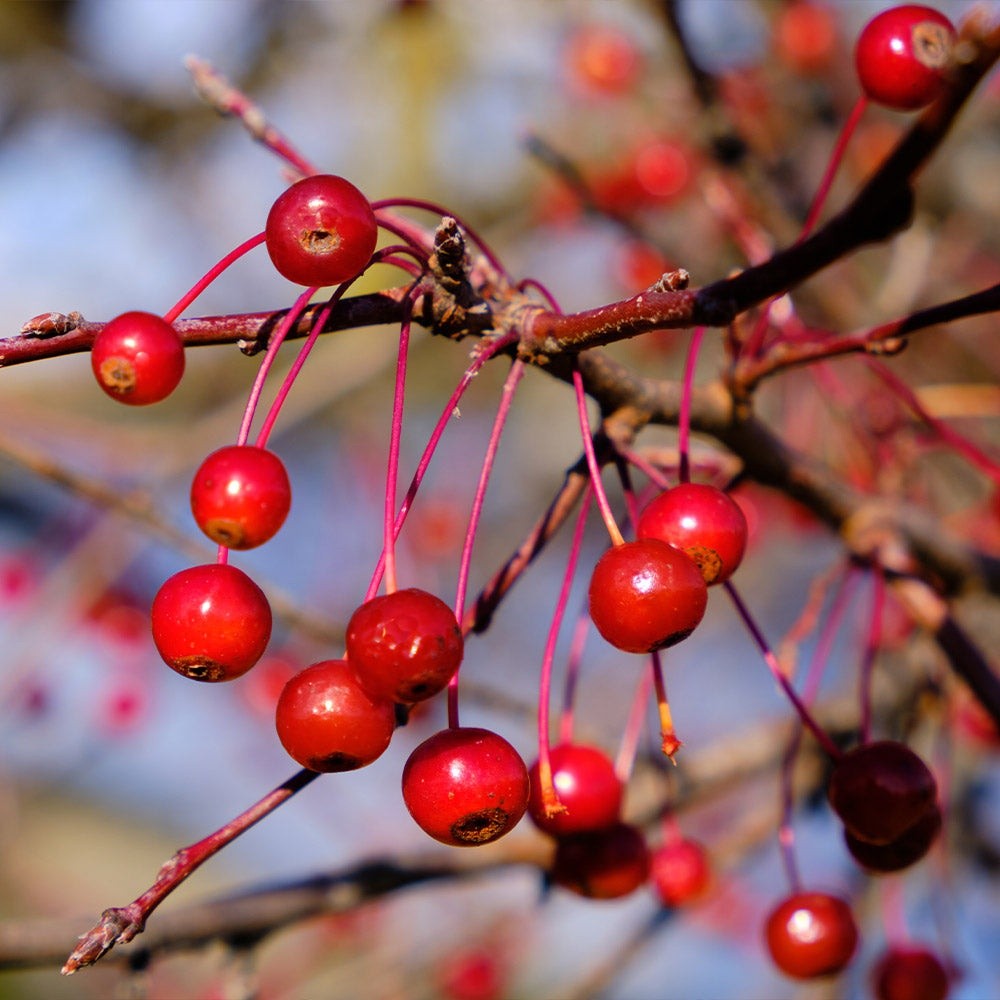
Fruit ripens from late summer into autumn and winter. The small apples — technically called pomes — range from yellow and gold to orange, red, and deep maroon. Many fruits persist on the branches well into winter, providing food for birds and visual interest in the landscape during the coldest months.
Why Choose a Crabapple? Key Benefits
It is worth asking why crabapples deserve a place in your garden over other ornamental trees. The honest answer is that few trees deliver so many benefits across so many seasons.
1. Four-Season Interest Crabapples are rarely dull. They offer spring flowers, summer foliage (often in unusual colors), autumn fruit and leaf color, and winter branch structure with persistent fruit. Very few landscape trees match this year-round contribution.
2. Wildlife Value The ecological value of crabapples is substantial. Flowers attract bees, butterflies, and other pollinators in spring, serving as an important early-season nectar and pollen source. Fruit feeds birds including cedar waxwings, American robins, mockingbirds, and thrushes through autumn and winter.
3. Pollination Support for Orchards Crabapples are widely used as cross-pollinators for standard apple trees. Because crabapples bloom reliably and produce abundant pollen, planting one near an apple orchard improves fruit set significantly. This is a well-documented horticultural practice.
4. Culinary Uses Despite their small size and sometimes sharp flavor, crabapples are fully edible and nutritious. They are rich in pectin, which makes them ideal for jams, jellies, preserves, cider, and vinegar. Sweeter cultivars can be eaten fresh or cooked in sauces and pies.
5. Adaptability Crabapples thrive in USDA Hardiness Zones 4 through 8, tolerating cold winters and moderate heat. They adapt to various soil types and are reasonably drought-tolerant once established — an increasingly important trait given changing climate patterns.
Popular Crabapple Cultivars
The sheer number of crabapple cultivars can feel overwhelming. Over 1,000 named varieties exist, though far fewer are commercially available at any given time. Here are some of the most reliable and widely recommended:
‘Adirondack’ — Upright, columnar form with white flowers and persistent red-orange fruit. Excellent disease resistance. Ideal for narrow spaces.
‘Prairifire’ — One of the most popular modern cultivars. Deep reddish-pink flowers, purple-red foliage, and dark red persistent fruit. Strong disease resistance makes it a practical choice for most gardens.
‘Snowdrift’ — Dense, rounded habit with pure white flowers and orange-red persistent fruit. Reliable, disease-resistant, and widely adaptable.
‘Sugar Tyme’ — Pale pink buds opening to white flowers, followed by persistent red fruit that birds love. Excellent resistance to most diseases.
‘Royal Raindrops’ — Showy magenta-pink flowers, distinctive deeply cut purple foliage, and small red fruit. Strong disease resistance and good heat tolerance.
‘Sargent Tina’ — A very dwarf form, growing only 5 to 6 feet tall. White flowers and tiny red fruit. Perfect for small gardens or container planting.
‘Lancelot’ — Upright-oval form with white flowers and golden-yellow fruit. Exceptional disease resistance and compact size make it versatile.
Planting Crabapple Trees: Site Selection and Soil Requirements
Choosing the right location is the single most important decision you will make for a crabapple tree. Get this right and the tree will largely take care of itself.
Sunlight
Crabapples require full sun — a minimum of six hours of direct sunlight per day. Less sun reduces flowering, weakens the tree, and increases disease susceptibility. This is non-negotiable.
Soil
These trees prefer well-drained, moderately fertile soil with a slightly acidic to neutral pH (6.0 to 7.0). They tolerate clay and loam soils reasonably well but struggle in poorly drained or waterlogged ground. Chronically wet roots invite root rot and other problems.
Spacing
Give crabapples room. Crowding trees limits air circulation, which encourages fungal disease. Follow the mature spread recommendations for your chosen cultivar and resist the temptation to plant them too close to structures or other trees.
Planting time
Early spring or autumn is ideal for planting container-grown or balled-and-burlapped specimens. This allows the root system to establish before facing summer heat or winter cold.
To plant, dig a hole two to three times the width of the root ball but no deeper than its height. Set the tree at or slightly above the surrounding soil grade. Backfill with the original soil — do not amend heavily, as this can discourage roots from spreading outward.
Finally, water thoroughly and apply a 2- to 3-inch layer of mulch around the base, keeping it away from the trunk.
Care and Maintenance
Once established, crabapples are not demanding. However, a few practices keep them healthy, productive, and beautiful.
Watering: Young trees need regular watering during their first two growing seasons — roughly once a week in the absence of rain. Mature trees are drought-tolerant but benefit from supplemental irrigation during prolonged dry spells.
Fertilization: Avoid over-fertilizing crabapples. Excess nitrogen promotes lush vegetative growth at the expense of flowers and fruit, and increases susceptibility to fire blight. A light application of balanced fertilizer in early spring is sufficient for most trees. If the soil is fertile and the tree grows well, no fertilization may be necessary at all.
Pruning: Crabapples require relatively little pruning. Remove dead, damaged, or crossing branches in late winter or very early spring before bud break. Avoid heavy pruning in summer or autumn, which can stimulate tender new growth that is vulnerable to disease and frost.
Some cultivars produce water sprouts — vigorous upright shoots from the trunk or main branches. These should be removed as they appear, as they rarely produce flowers and disrupt the natural form of the tree.
Common Diseases and Pests
Disease resistance is one of the most important factors when selecting a crabapple cultivar. Older varieties are often beautiful but highly susceptible to several fungal and bacterial diseases.
Apple Scab (Venturia inaequalis)
The most common crabapple disease. It causes dark, scabby lesions on leaves and fruit, often leading to severe defoliation by midsummer. Choosing a scab-resistant cultivar is the most effective prevention strategy. Fungicide applications can manage the disease in susceptible trees but require multiple applications per season.
Fire Blight (Erwinia amylovora)
A bacterial disease that causes shoot tips, blossoms, and branches to wilt and turn brown as if scorched by fire. It spreads rapidly during warm, wet spring weather. Prune out infected wood promptly, cutting well below the visible infection into healthy tissue. Sterilize pruning tools between cuts.
Cedar-Apple Rust (Gymnosporangium juniperi-virginianae)
A fungal disease requiring both a juniper/cedar and an apple/crabapple host to complete its life cycle. It produces bright orange-yellow spots on leaves and fruit. Plant resistant cultivars and avoid placing crabapples near eastern red cedars (Juniperus virginiana).
Powdery Mildew
A fungal disease causing a white, powdery coating on young leaves and shoots. It rarely kills trees but weakens them over time. Good air circulation and resistant cultivars reduce its impact.
Pests
Common pests for crabapple trees include aphids, tent caterpillars, scale insects, and borers. Most healthy trees tolerate moderate pest pressure without serious long-term damage. Monitor regularly and intervene with appropriate treatments when necessary.
Crabapples in the Edible Garden
It surprises many people to learn how useful crabapples are in the kitchen. I have seen first-time crabapple jelly makers genuinely astonished at the result — a clear, jewel-bright preserve with a tart, complex flavor that store-bought apple jelly cannot match.
Pectin content in crabapples is exceptionally high, which means jams and jellies set easily without commercial pectin additives. This alone makes them valuable to home preservers.
Common culinary applications include:
- Crabapple jelly — the most popular use; tart, fragrant, and versatile
- Spiced crabapples — whole fruits preserved in sweet, spiced syrup
- Crabapple cider and wine — the small fruit produces richly flavored beverages
- Crabapple sauce and butter — excellent with pork, game, and poultry
- Crabapple vinegar — a fermented product with culinary and preservation uses
The best cultivars for eating and preserving include ‘Dolgo,’ ‘Chestnut,’ ‘Whitney,’ and ‘Rescue,’ all of which produce larger, sweeter fruit than most ornamental types.
Ecological and Environmental Significance
From an ecological standpoint, crabapples are generous trees. They are among the top-ranked trees for supporting native wildlife in temperate North American and European landscapes.
Researchers have documented dozens of bee species foraging on crabapple flowers. The early bloom time — before many other flowering trees — makes them particularly important for queen bumblebees and early-emerging solitary bees that need food after winter.
The persistent fruit is especially valuable. When other food sources are depleted in late winter, crabapple fruits — softened by repeated freezing and thawing — provide critical calories for resident and migratory bird species.
Crabapples also serve as larval host plants for several Lepidoptera (moths and butterflies), contributing to broader biodiversity in managed landscapes.
Crabapple in History and Culture
Crabapples have been part of human culture for thousands of years. Wild crabapples (Malus sylvestris and related species) are believed to be among the ancestors of the domesticated apple (Malus domestica) — one of the world’s most economically important fruit crops.
In Celtic mythology, the apple tree was associated with the Otherworld and immortality. The legendary island of Avalon — whose name derives from the Old Welsh word for apple — reflects this deep cultural association.
In North American indigenous cultures, wild crabapple fruits and bark were used medicinally and as food. Several Pacific Northwest tribes, including the Haida and Coast Salish peoples, traditionally harvested Malus fusca (Oregon crabapple) as a significant food source.
In the Victorian language of flowers, crabapple blossoms symbolized ill-nature or poor judgment — a curious association for such a beautiful tree, though perhaps a nod to the fruit’s sharpness.
Conclusion
Crabapple trees are genuinely underappreciated in modern landscaping. They combine beauty, ecological function, culinary value, and resilience in a way that few other trees can match. With so many cultivars now available — many with outstanding disease resistance — there is a crabapple suited to almost every garden, climate, and purpose.
Choose the right cultivar, plant it in full sun with good drainage, and give it a little space. The rewards will come year after year — flowers in spring, fruit in autumn, birds through winter, and a structure in the garden that grows more beautiful with age.
If you have room for only one flowering tree, a well-chosen crabapple may well be the most rewarding investment you make in your landscape.
References
- University of Minnesota Extension — Crabapple Trees for Minnesota Landscapes https://extension.umn.edu/trees-and-shrubs/crabapples
- NC State Extension — Plants Database — Malus spp. (Crabapple) https://plants.ces.ncsu.edu/plants/malus/
- Penn State Extension — Crabapple Disease Management https://extension.psu.edu/crabapple
- University of Illinois Extension — Crabapples for Illinois Landscapes https://extension.illinois.edu/trees-shrubs-vines/crabapple
- Cornell University — College of Agriculture and Life Sciences — Apple and Crabapple: Pest and Disease Management https://www.canr.msu.edu/uploads/files/Crabapple_Evaluation.pdf

Tim M Dave is a gardening expert with a passion for houseplants, particularly cacti and succulents. With a degree in plant biology from the University of California, Berkeley, he has vast experience in gardening. Over the years, he has cultivated a vast collection of desert plants and learned a great deal about how to grow and care for these unique companions.