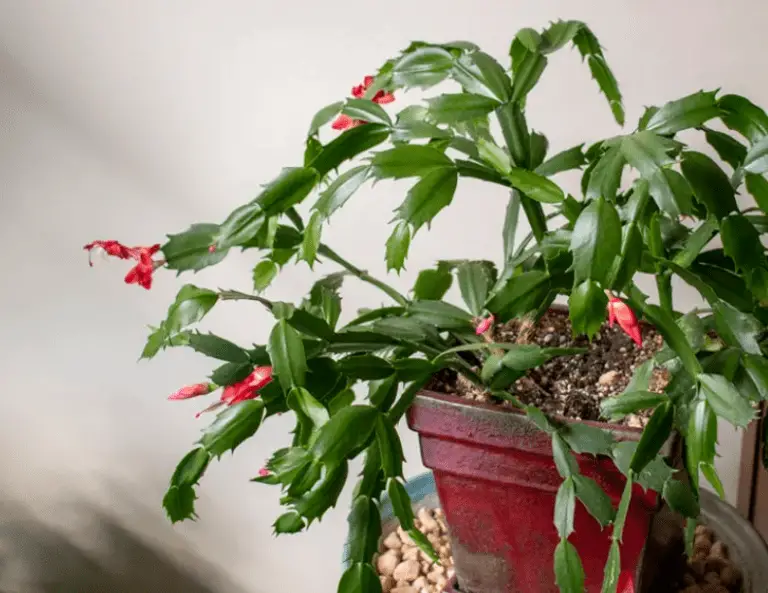
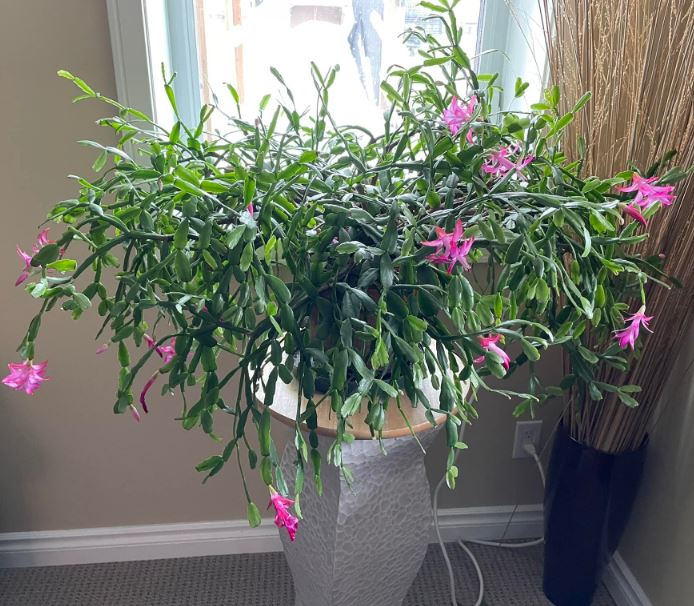
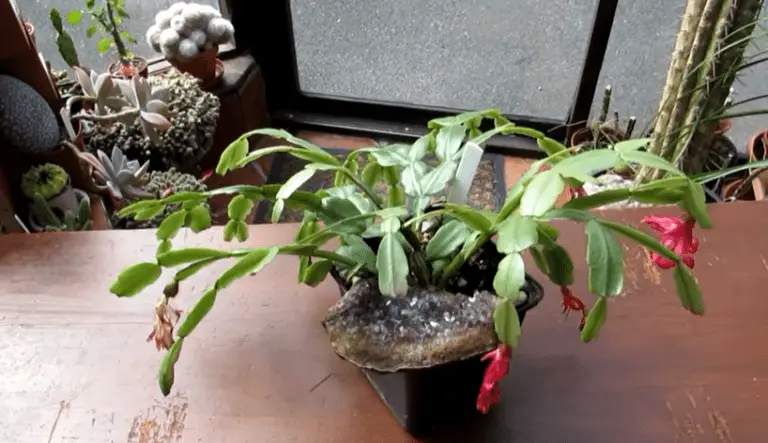
Top 8 Reasons Your Christmas Cactus Is Turning Yellow (And How to Fix)
I still remember the lush, green, beautiful Christmas cactus my grandmother gave me. But one crisp morning, I woke up to a heartbreaking sight. Several of its glossy segments had turned a sickly yellow. Panic set in. Was it dying? Had I failed this heirloom plant?
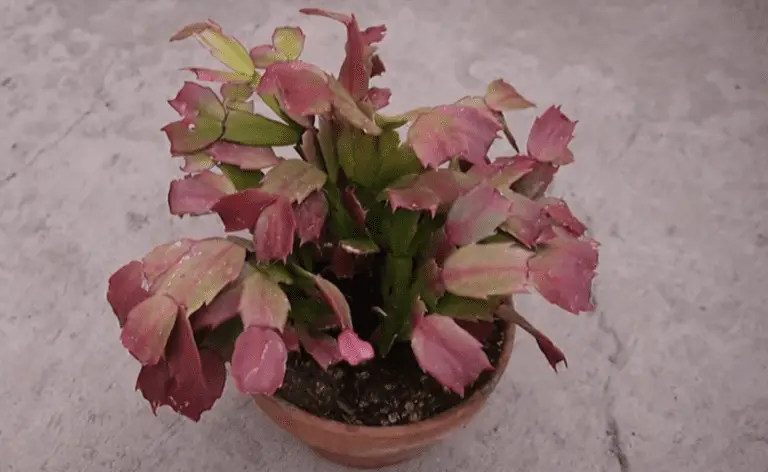
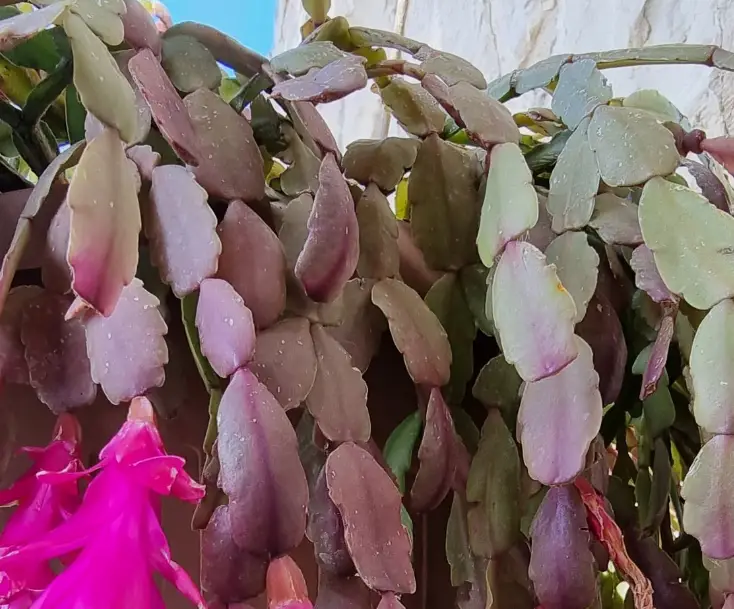
Yellowing in a Christmas cactus isn’t always a death sentence, but ignoring it can lead to segment drop, wilting, or worse, root rot. The first clue? Those once-vibrant green leaves fade to pale lime, then yellow, starting at the tips or base.
If it’s the whole plant, suspect systemic issues; spotty yellowing might point to pests. In American homes, symptoms often align with seasonal shifts. Come spring in the Northeast, sudden yellowing might stem from repotting shock after winter dormancy.
In the Southwest, summer scorch can turn segments yellow overnight. Early detection is crucial. Feel the soil, inspect roots if possible, and note your setup. Is it near a drafty window? Baking on a sunny sill? These clues can guide you to the root of the problem.
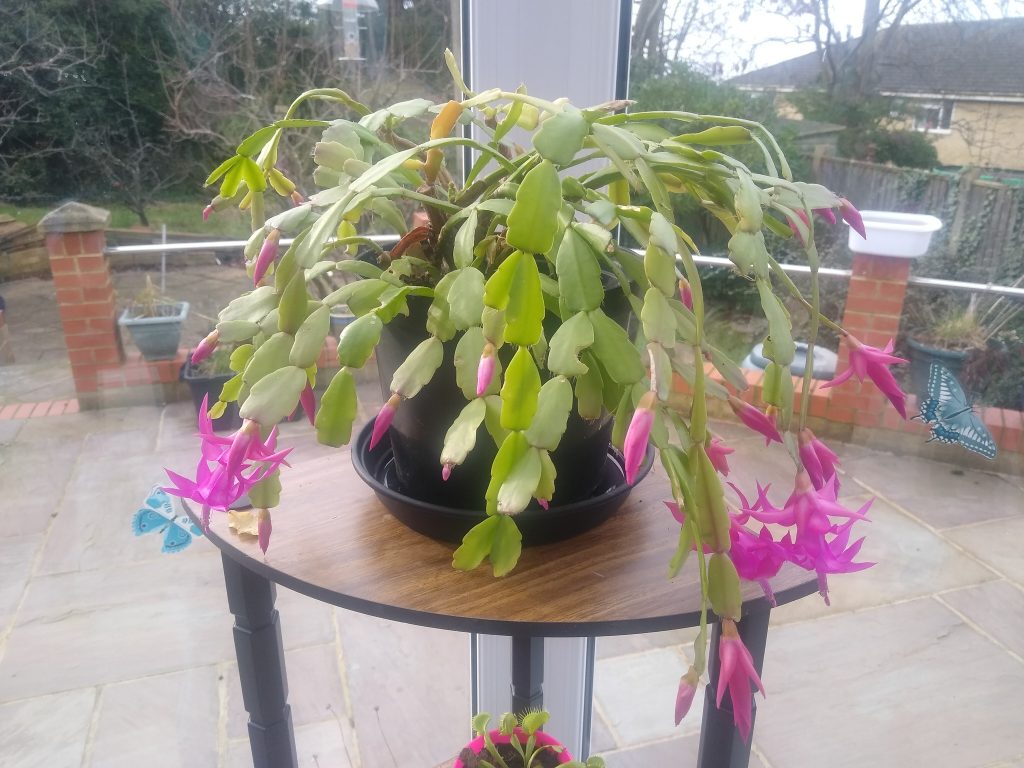
Why Is My Christmas Cactus Turning Yellow?
Drawing from expert sources and countless gardener forums, yellowing boils down to environmental mismatches. Here’s a deep dive into the most common causes and quick fixes to help your plant recover.
1. Overwatering and Root Rot – The Silent Killer
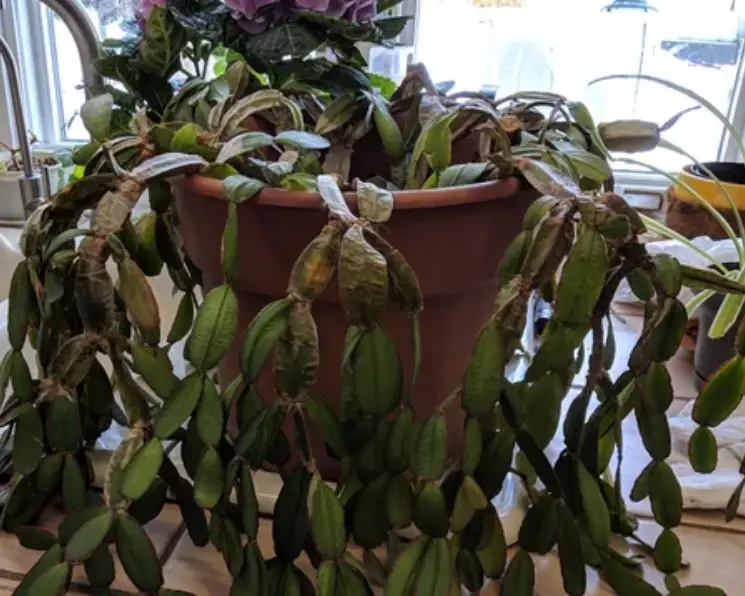
Overwatering tops the list, responsible for up to 60% of yellowing cases. Christmas cacti crave moisture, but too much leads to soggy soil, oxygen-starved roots, and fungal invasions. The result? Yellow, limp segments as the plant suffocates.
In the humid Southeast (zones 7-9, like Alabama or the Carolinas), high rainfall tempts overzealous watering. Indoors, bathroom saunas or poorly draining pots exacerbate it. I once left mine in a steamy shower stall and within days, yellow mush appeared.
Quick Fix: Stop watering immediately if you notice your Christmas cactus is yellowing from the base up, wilting despite wet soil, or foul-smelling roots. Unpot, rinse roots, trim black mush with sterilized scissors, and repot in dry, fresh mix. In wetter zones, use terracotta pots for natural evaporation.
2. Underwatering – When Dry Air Zaps the Life Out
Conversely, underwatering causes segments to yellow as the plant tries to conserve water. This can stress the plant and result in loss of chlorophyll, the substance responsible for the green color in plants. Christmas cactus isn’t as drought-hardy as desert cacti; it needs regular sips.
This problem is common in Northern states (zones 3-6, e.g., New York or Illinois) where winter humidity drops below 30%, and outdoors in the arid West (zones 8-10, like Nevada). Forgetting to water during heatwaves spells disaster.
Quick Fix: If you notice uniform yellowing with shriveled, flat segments and soil pulling away from pot edges, soak the pot in lukewarm water for 20 minutes, then drain fully. Mulch with sphagnum moss for humidity retention—essential in dry climates.
3. Too Much Direct Sunlight – Sunburn in Sunny States
Direct sun scorches these shade-lovers, bleaching segments yellow or brown. They thrive under forest canopies, not open skies. In the Sun Belt (zones 9-11, California to Texas), summer rays through south-facing windows fry plants.
Quick Fix: If you notice yellow patches or edges, often with crispy tips, relocate your Christmas cactus to east- or north-facing spots or use sheer curtains. I learned this the hard way in my Arizona rental—my cactus went from green to golden in a week on the patio. Sheer curtains saved the day.
4. Insufficient Light – The Fade in Dim Corners
Too little light starves photosynthesis, paling segments yellow. It’s a common issue in windowless or dark rooms. Overcast winters in the Midwest (zones 4-5), urban apartments in dense cities, and holiday decorations blocking light can worsen it.
Quick Fix: Provide 12-14 hours of indirect light daily. Supplement with LED grow lights in low-light zones. These measures will also prevent leggy growth.
5. Temperature Stress – Swings from Coast to Heartland
Sudden yellowing with leaf drop is a sign of temperature stress. The Christmas cactus prefers 70-80°F day/55-65°F night. Extremes yellow the plant by causing slowed metabolism or cell damage. Cold stress shows as soft yellow, heat as scorched.
Quick Fix: Stabilize with pebble trays for humidity and away from vents. In cold zones, overwinter indoors above 50°F.
6. Nutrient Deficiencies – Starved in Spent Soil
Lacking nitrogen, magnesium, or phosphorus causes interveinal yellowing. These plants deplete pots quickly. In alkaline soils or unfertilized indoor setups, magnesium deficiency (yellow with green veins) is rampant.
Quick Fix: Apply balanced 10-30-20 fertilizer monthly in spring-fall. Epsom salts (1 tsp/gallon) is also vital for magnesium.
7. Pests and Diseases – Invaders in Shared Spaces
Mealybugs, spider mites, or fungal gnats suck sap, resulting in yellowing as a distress signal. In addition to yellowing, other pest symptoms include sticky residue, webs, and yellow spots on the cactus segments.
Quick Fix: Isolate the plant, hose off, and apply neem oil or insecticidal soap. You may discard heavily damaged plants. The best approach for preventing pests and diseases is to monitor your plants regularly. If you spot any issues, treat them before it’s too late.
8. Rootbound Conditions or Transplant Shock – Cramped Quarters
After 2-3 years in any zone, pots fill up. Repotting or moving from store to home also shocks the plant. Damaged or tight roots can’t take up water and nutrients as needed. Lack of these essential supplies can result in plant yellowing.
Quick Fix: If you notice slow yellowing or roots popping out through the drainage holes, gently repot in a pot one size up. Spring is the best time to repot when your Christmas cactus has finished blooming. Wait a month post-transplant before fertilizing.
Seasonal Care to prevent yellowing
Here’s zone-specific advice to prevent yellowing.
Zones 1-6: (e.g., Minnesota to Maine)
Winters are brutal—keep your cactus indoors year-round near sunny windows. Use humidifiers to prevent yellowing spikes from dry heat (target 50% RH). Summer outdoors? Only June-August in shade, and back inside before 60°F nights. Bloom force in cool garages (50°F).
Zones 7-9: (e.g., Virginia to Oklahoma)
This climate is mild enough for patios (April-October). If your cactus turn yellow from summer humidity or overwatering, elevate pots on feet for air flow and cut back on watering. Fall: Gradual indoor transition in the fall prevents shock. In rainy areas, use roof overhangs to shield from downpours.
Zones 10-12 (e.g., Florida to Hawaii)
The outdoors is a paradise for your Christmas cactus! Plant in shaded beds with pine needle mulch for a little acidity. Lattice screens or under trees should prevent yellowing from scorch. Be sure to stake well because of hurricanes and high weeds.
Frequently Asked Questions
Here are answers to the frequently asked questions about Christmas cactus turning yellow:
Q: Can a yellow Christmas cactus be saved if segments are dropping?
A: Yes, if roots are salvageable. Prune drops, treat underlying cause (often water imbalance).
Q: Why do new growths turn yellow first?
A: Tip stress from uneven watering or light. Consistent care fixes it.
Q: Is yellowing contagious?
A: Not directly, but pests and diseases spread via proximity. Always isolate the plant.
Q: How often to water in winter for no yellow?
A: Every 2-3 weeks and less in cool, dark bloom preparation.
Q: Best fertilizer to prevent yellow in hard-water areas?
A: Low-nitrogen, chelated formulas absorb better in alkaline waters.
Q: Outdoor yellowing in zone 9—sun or soil?
A: Often sun; test pH (5.5-6.5 ideal). Amend with peat.
Q: Can you propagate from the yellow parts?
A: Only healthy segments—twist 3-4, dry 24 hours, root in vermiculite or a well-draining soil mix. This gives 90% success.
Q: Why yellow after blooming?
A: Post-bloom stress is often the cause. Reduce both watering and fertilizing.
Q: Yellow from moving house?
A: This is like jet lag for plants. Acclimate slowly to nurse the shock.
Q: Blooming despite yellow—possible?
A: If mild, yes. Treat ASAP to avoid energy drain.
Final thoughts
Yellowing in your Christmas cactus doesn’t have to cause panic; it’s a signal to tune into its needs. From overwatering to sun stress, we’ve unpacked the why and how, arming you with every requirement for success. Diagnose, act, prevent, and enjoy those beautiful blooms.

Tim M Dave is a gardening expert with a passion for houseplants, particularly cacti and succulents. With a degree in plant biology from the University of California, Berkeley, he has vast experience in gardening. Over the years, he has cultivated a vast collection of desert plants and learned a great deal about how to grow and care for these unique companions.