Explained: Are Carnations Toxic to Cats?
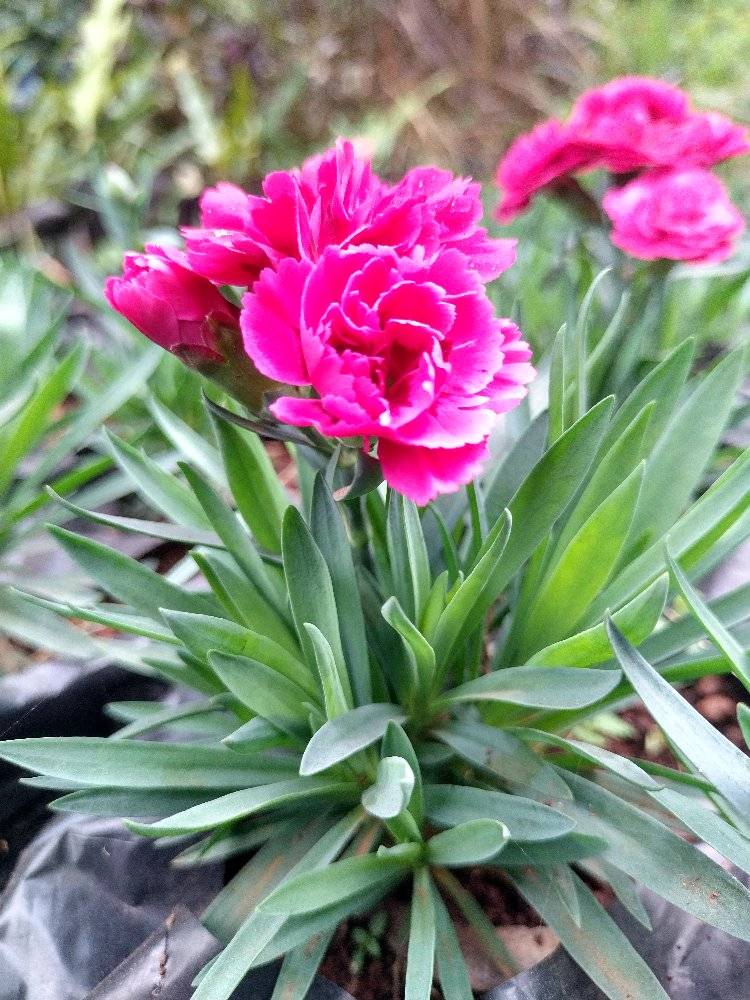
Carnations (Dianthus caryophyllus), often called “pinks” or “clove pinks,” are popular ornamental flowers. They’re prized for their long-lasting blooms, sweet fragrance, and variety of colors—red, pink, white, and even striped.
In American gardens, carnations are a go-to for borders, containers, and cut flower arrangements. They thrive in USDA Hardiness Zones 5-9, making them a favorite across the U.S., from sunny California to temperate New England.
I planted my first carnations in a raised garden bed last spring. Their cheerful petals added a pop of color, but I couldn’t help but wonder if they were safe for cats, who love lounging among my plants. To answer this, we need to look at what science says about carnations and cats.
Are Carnations Toxic to Cats?
The short answer? Carnations are mildly toxic to cats. According to the American Society for the Prevention of Cruelty to Animals (ASPCA), carnations are listed as toxic to cats, dogs, and horses.
The toxic component in carnations is not fully identified, but it’s believed to be a compound similar to saponins, which can cause gastrointestinal upset in pets.
If your cat nibbles on carnation leaves, stems, or flowers, they might experience mild symptoms like vomiting, diarrhea, and loss of appetite. In my research, I found that the severity depends on how much your cat eats.
A small amount might cause stomach upset, but eating a large amount could lead to more discomfort. Thankfully, carnations aren’t as dangerous as some other plants, like lilies, which can cause kidney failure in cats.
I reached out to my veterinarian, Dr. Sarah, for clarity. She explained, “Carnations are mildly toxic, but they’re not a serious threat. Most cats recover quickly with minimal treatment if they ingest a small amount.” That reassured me, but I still wanted to know how to keep my cat named Whiskers safe.
Why do Cats Chew on Plants
Before we dive deeper, let’s talk about why cats munch on plants in the first place. Cats are curious creatures. They explore with their mouths, and plants are tempting targets. Here are a few reasons your cat might be chomping on your carnations:
- Cats are curious creatures. They love investigating new textures and smells. Carnations’ soft petals and grassy stems are intriguing to them.
- If your cat doesn’t have enough toys or things to kill boredom, they might turn to your garden for entertainment.
- Some cats chew plants to aid digestion or get fiber, especially if they’re indoor-outdoor cats.
- In the wild, cats’ ancestors ate plants to help regurgitate hairballs or indigestible prey parts.
Symptoms of Carnation Poisoning in Cats
If your cat eats carnations, keep an eye out for these symptoms:
- Vomiting or diarrhea are the most common signs. They usually appear within a few hours of ingestion.
- Your cat might seem tired or less playful.
- Excessive salivation can occur if the plant irritates the mouth.
- If your cat rubs against carnations, they might develop mild skin irritation, including itching and redness.
In rare cases, eating a large quantity could lead to more severe symptoms. When my cat once vomited after nibbling on a plant (thankfully not a carnation), I was a wreck. I called the vet immediately. He was fine, but it taught me to act fast if I suspect plant poisoning.
What to Do If Your Cat Eats Carnations
If you catch your cat munching on carnations, don’t panic. Here’s what to do:
- Gently take your cat away from the carnations and remove any plant bits from their mouth.
- Watch for vomiting, diarrhea, or unusual behavior over the next few hours.
- If you notice symptoms or aren’t sure how much they ate, contact your veterinarian or the ASPCA Animal Poison Control Center (888-426-4435).
- Provide water for the cat to drink to help flush their system.
- Keep an eye on your cat for 24-48 hours. Most cases resolve on their own, but persistent symptoms need professional attention.
I keep the ASPCA’s poison control number saved in my phone, just in case. It’s a small step that gives me peace of mind as a cat mom and gardener.
How Common Are Carnation Poisoning Cases?
Carnation poisoning in cats is relatively rare. Dr. Sarah told me she sees more cases involving highly toxic plants like lilies or sago palms. Carnations, while not harmless, don’t typically cause severe issues.
The Pet Poison Helpline reports that carnation-related calls are low compared to other plants, but it’s still wise to be cautious. In my neighborhood, I asked fellow gardeners if their cats had ever gotten sick from carnations. Most said their cats ignored the plants entirely.
One friend, Lisa, shared that her cat, Muffin, vomited once after eating a carnation petal but was fine after a day. This aligns with the mild nature of carnation toxicity.
How to create a Cat-Safe Garden in your home
As a gardener, you want a beautiful yard that’s safe for your pets. Here’s how to balance your love for carnations with your cat’s safety:
1. Choose safe locations for carnations
Plant carnations in areas your cat can’t easily access. I placed mine in hanging baskets and raised beds, out of Whiskers’ reach. If you have a sprawling garden, consider fencing off flower beds or using chicken wire around plants.
2. Grow cat-friendly alternatives
Swap out some carnations for cat-safe plants. Here are a few to consider:
- Catnip (Nepeta cataria): Cats love it, and it’s safe. It grows well in Zones 3-9.
- Cat Grass (Dactylis glomerata): A safe, digestible grass for cats to chew. Perfect for containers.
- Roses (Rosa spp.): Non-toxic and stunning in any garden. Watch for thorns, though!
- Marigolds (Tagetes spp.): Bright and safe for cats. They’re hardy in Zones 2-11.
I added a small catnip patch for Whiskers, and he’s obsessed. It keeps him away from my carnations!
3. Use deterrents
Cats dislike certain smells and textures. Try these tricks to keep them away from carnations:
- Scatter orange or lemon peels around your plants. Cats hate the smell.
- Use motion-activated sprinklers. These startle cats without harming them. They’re great for large yards.
- Mulch with rough textures such as pinecones or gravel around carnations. Cats avoid walking on prickly surfaces.
4. Provide distractions
Give your cat alternatives to keep them busy. I set up a small “cat garden” with catnip, cat grass, and a few toys. Whiskers spends more time there than in my flower beds now.
5. Supervise outdoor time
If your cat is indoor-outdoor, supervise them in the garden. I let Whiskers out in the evening, but keep an eye on him to ensure he doesn’t snack on my plants.
Other plants to be cautious about
While carnations are mildly toxic, other common garden plants are far more dangerous for cats. Here’s a quick list of plants to be cautious with, particularly when you have feline friends:
- Lilies (Lilium spp.): They are highly toxic, even in small amounts. They can cause kidney failure in cats.
- Azaleas (Rhododendron spp.): Common in Southern gardens, these can cause severe vomiting and heart issues.
- Sago Palm (Cycas revoluta): Popular in warm climates like Florida, it’s deadly to cats.
- Tulips (Tulipa spp.): The bulbs are especially toxic, causing intense gastrointestinal distress.
I learned this the hard way when I almost planted lilies last year. A quick check with the ASPCA’s toxic plant list saved me from a potential disaster.
Tips for Indoor Carnations
If you’re like me, you might bring carnations indoors as cut flowers. They’re a favorite for bouquets, especially around holidays like Mother’s Day. But indoor carnations can still pose a risk to cats. Here’s how to keep them safe:
- Place bouquets on shelves or tables that your cat can’t jump onto. I use high verses.
- Use a glass cloche or decorative cover to block access.
- Dispose of wilted carnations in a secure trash bin. Cats might dig through garbage for a snack.
Last Valentine’s Day, I got a gorgeous carnation bouquet. Whiskers tried to bat at it, so I moved it to a high shelf. Problem solved!
Long-Term Solutions for Cat Owners
If you love carnations but worry about your cat, consider these long-term strategies:
- Train Your Cat: With patience, you can train cats to avoid certain areas. I used treats to redirect Whiskers from my flower beds.
- Create a cat enclosure: A “catio” lets your cat enjoy the outdoors without accessing your plants. I built a small screened-in area for Whiskers, and he loves it.
- Consult a landscaper: A professional can design a cat-safe garden. They’ll know which plants thrive and which to avoid.
Final thoughts
When I first started gardening, I didn’t think much about plant toxicity. Whiskers was an indoor cat then, so I assumed he was safe. But when he became an indoor-outdoor cat, everything changed.
One day, I caught him chewing on a carnation stem. My heart raced as I googled whether it was toxic. Luckily, he was fine—just a bit of drooling—but it was a wake-up call. Now, I’m keen about checking plant safety and keeping Whiskers entertained with catnip and toys.
Carnations are mildly toxic to cats, causing symptoms like vomiting or diarrhea if ingested. While they’re not as dangerous as some plants, it’s best to take precautions. By planting carnations in inaccessible areas, using deterrents, and offering cat-safe alternatives, you can create a beautiful and safe garden.
References
- ASPCA. (n.d.). Toxic and Non-Toxic Plant List – Cats. https://www.aspca.org/pet-care/animal-poison-control/toxic-and-non-toxic-plants
- Pet Poison Helpline. (n.d.). Carnation. Retrieved from https://www.petpoisonhelpline.com/poison/carnation/
- American Veterinary Medical Association. (n.d.). Household Hazards. https://www.avma.org/resources-tools/pet-owners/petcare/household-hazards
- Cornell University College of Veterinary Medicine. (2023). Plants Poisonous to Cats. https://www.vet.cornell.edu/departments-centers-and-institutes/cornell-feline-health-center/health-information/feline-health-topics/plants-poisonous-cats
- USDA Plant Hardiness Zone Map. (n.d.). https://planthardiness.ars.usda.gov/

Tim M Dave is a gardening expert with a passion for houseplants, particularly cacti and succulents. With a degree in plant biology from the University of California, Berkeley, he has vast experience in gardening. Over the years, he has cultivated a vast collection of desert plants and learned a great deal about how to grow and care for these unique companions.