8 Reasons Your Bougainvillea Is Not Blooming + Fixes That Work
Bougainvilleas are tropical and subtropical plants native to South America. They thrive in warm climates, making them a favorite in American gardens, especially in USDA zones 9-11. Places like Southern California, Florida, Texas, and Arizona are bougainvillea hotspots.
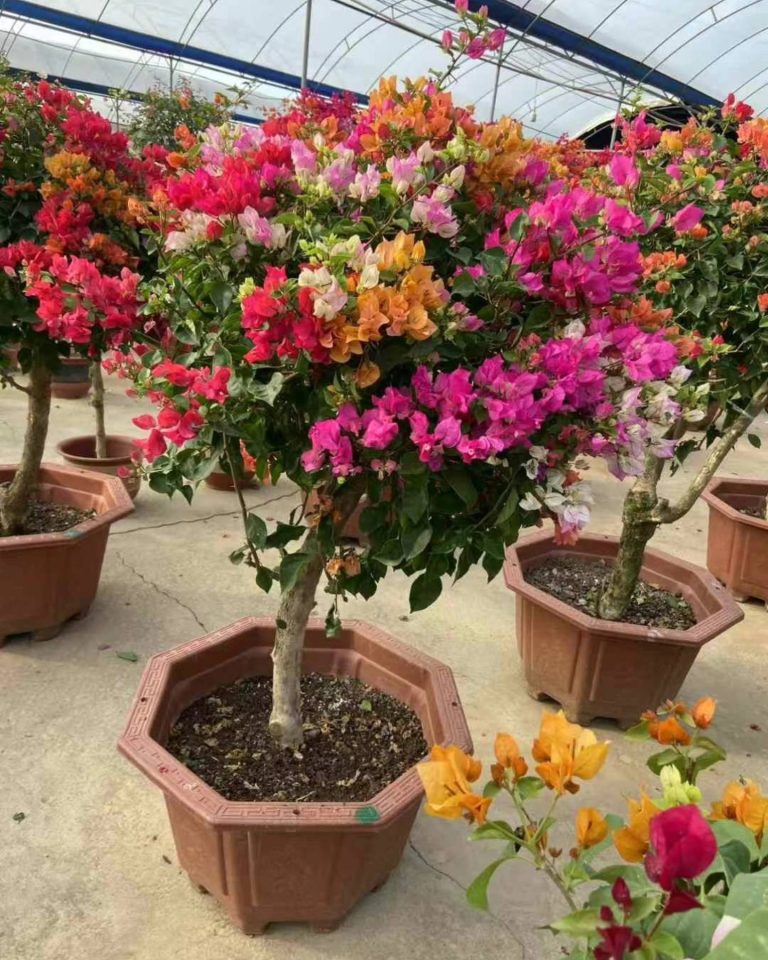
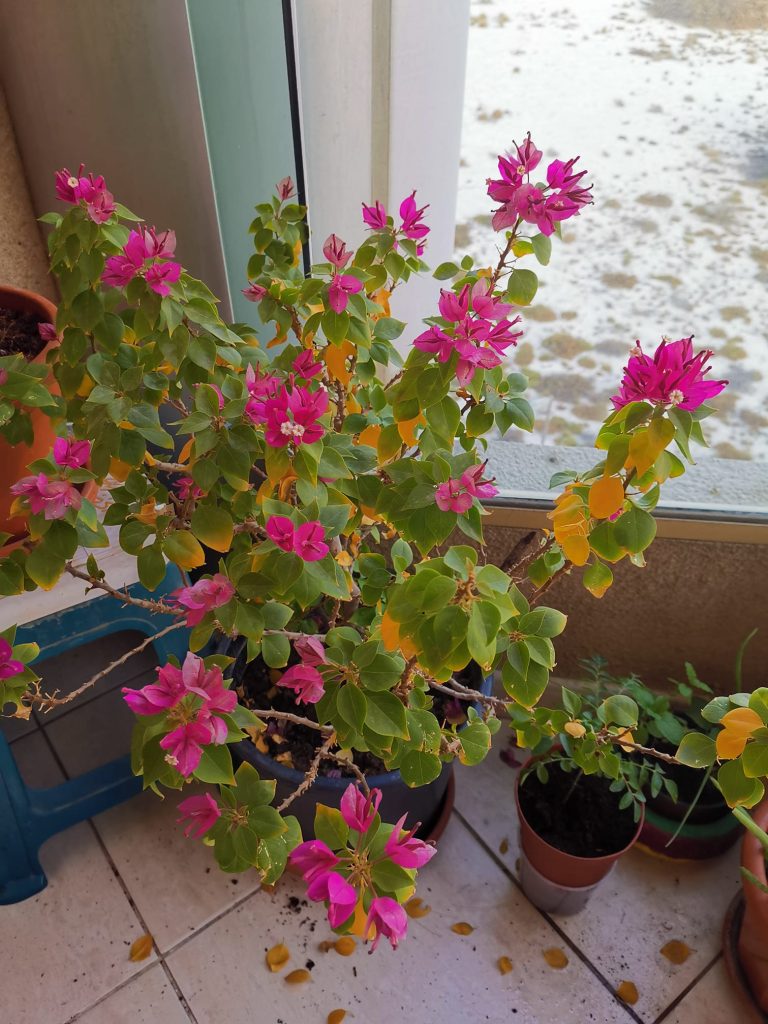
Their “flowers” are actually colorful bracts—modified leaves that surround tiny white blooms. These bracts give bougainvilleas their signature pizzazz.
But here’s the catch: bougainvilleas are fussy about their needs and requirements. They need specific conditions to bloom. If one element is off, you’ll end up with a green, flowerless vine. Let’s explore the top reasons your bougainvillea isn’t blooming and how to turn things around.
Why is My Bougainvillea Not Blooming?
Here are reasons for your bougainvillea not flowering:
Reason 1: Not Enough Sunlight
Bougainvilleas are sun worshippers. They need at least six hours of direct sunlight daily to bloom. Less than that, and they’ll stay stubbornly green. I learned this the hard way when I planted my first bougainvillea under a shady oak tree in my Chicago backyard.
It grew tall and lush but never bloomed. After some research and a quick relocation to a sunnier spot, it exploded with pink bracts within weeks. Enough sun is an important requirement for the production of sugars needed for blooming.
How to Fix
- Check your garden’s light. Walk around your yard at different times of day. Does your bougainvillea get uninterrupted sun for six hours? If not, it’s time to move it.
- Relocate potted plants. If your bougainvillea is in a container, move it to the sunniest spot on your patio or driveway.
- Prune nearby trees or shrubs. Overhanging branches can block sunlight. Trim them back to let the sun shine through.
- Consider reflective surfaces. In urban gardens, walls or fences can reflect light onto your plant. A white-painted wall near my bougainvillea boosted its light exposure and blooming.
If you’re in a northern state with shorter summers, like Oregon or Washington, consider growing bougainvillea in pots. You can move them indoors or to a greenhouse during cooler months to maximize sun exposure.
Reason 2: Improper Watering
Watering bougainvilleas is a balancing act. Too much water, and the roots drown, cutting off important supplies to the plant. Too little, and they get stressed, dropping buds before they open. So, both overwatering and underwatering are culprits.
How to Fix It
- Water sparingly. Bougainvilleas prefer to dry out between waterings. Stick your finger an inch into the soil. If it’s dry, water deeply. If it’s moist, wait.
- Adjust for seasons. In hot, dry climates like Arizona, you might water once or twice a week during summer. In humid areas like Florida, cut back during rainy seasons.
- Improve drainage. Bougainvilleas hate soggy roots. If your soil is clay-heavy, amend it with sand or gravel. I mixed in some perlite when planting my bougainvillea, and it made a huge difference.
- Check pots for drainage. Ensure containers have drainage holes. I once lost a bougainvillea to root rot because the pot didn’t drain properly.
For American gardeners, regional weather matters. In arid states, you’ll water more frequently but less heavily. In coastal areas, watch for overwatering during humid spells.
Reason 3: Nutrient Imbalance
Bougainvilleas need the right nutrients to bloom. Too much nitrogen encourages leafy growth at the expense of flowers. I fell into this trap when I used a general-purpose fertilizer on my bougainvillea. It grew like a weed but refused to bloom. Switching to a bloom-boosting fertilizer turned things around.
How to Fix
- Choose the right fertilizer. Use a low-nitrogen, high-phosphorus formula, like 5-10-10 or 2-10-10. Phosphorus promotes flowering.
- Fertilize sparingly. Apply fertilizer every 4-6 weeks during the growing season (spring to early fall). Over-fertilizing can burn roots or push leafy growth.
- Avoid high-nitrogen products. Lawn fertilizers (like 20-0-0) are a no-go. I learned this after my bougainvillea turned into a green monster with no blooms.
- Test your soil. In areas with poor soil, like parts of the Southwest, a soil test can reveal deficiencies. Add micronutrients like magnesium or iron if needed.
For gardeners in nutrient-poor regions, like sandy Florida soils, consider slow-release fertilizers. They provide steady nutrients without overwhelming the plant.
Reason 4: Incorrect Pruning
Pruning is critical for bougainvilleas. They bloom on new growth, so regular trimming encourages flowers. But prune too much or at the wrong time, and you’ll cut off potential blooms. My first attempt at pruning was a disaster—I cut back my bougainvillea in late summer and missed an entire blooming season.
How to Fix
- Prune at the right time. In warm climates, prune in late winter or early spring before new growth starts. In cooler areas, wait until the last frost risk passes.
- Trim lightly. Remove about one-third of the plant, focusing on dead or weak branches. This stimulates new, bloom-producing growth.
- Pinch tips regularly. Pinching the tips of new shoots encourages branching and more flowers. I do this every few weeks during summer.
- Avoid over-pruning. Cutting back too much can stress the plant. I once overdid it and ended up with a bare, bloomless vine for months.
For American gardeners, pruning schedules vary by region. In Southern California, you might prune in February. In cooler zones like 8b, wait until April or May.
Reason 5: Stress from Environmental Factors
Bougainvilleas are tough but sensitive to stress. Temperature swings, wind, or transplant shock can halt blooming. When I moved a bougainvillea from a pot to my garden bed, it sulked for months, producing no flowers until it adjusted.
How to Fix
- Protect from the cold. Bougainvilleas can’t handle frost. In zones 8 or 9, cover plants during cold snaps or grow them in pots to bring indoors. I use frost cloth in my garden during winter freezes.
- Shield from wind. Strong winds can damage bracts and stress the plant. Plant near a fence or wall for protection. My bougainvillea thrives against a south-facing wall.
- Acclimate transplants. If you’ve recently moved your plant, give it time to adjust. Water consistently and avoid fertilizing for a month.
- Monitor for heat stress. In scorching areas like Nevada, provide afternoon shade during heatwaves. A light shade cloth saved my bougainvillea during a brutal summer.
Reason 6: Pests and Diseases
Pests and diseases can sap your bougainvillea’s energy, preventing blooms. Aphids, whiteflies, and spider mites are common culprits. I once found my bougainvillea covered in tiny aphids, sucking the life out of its buds.
How to Fix
- Inspect regularly. Check leaves and stems for pests. Look for sticky residue (honeydew) or tiny webs.
- Use insecticidal soap. A gentle spray can knock out aphids and whiteflies. I mix my own with dish soap and water for small infestations.
- Treat fungal issues. Powdery mildew or leaf spot can stress plants. Remove affected leaves and apply a fungicide if needed.
- Encourage natural predators. Ladybugs love aphids. I introduced some to my garden, and they kept pests in check.
In humid areas like the Southeast, watch for fungal diseases. In dry regions like the Southwest, pests like spider mites thrive. Regular checks are key.
Reason 7: Wrong Plant Location or Variety
Not all bougainvilleas are created equal. Some varieties bloom less prolifically, and others need specific conditions. I once bought a bougainvillea labeled “dwarf” for a shady corner, only to learn it needed full sun to bloom.
How to Fix
- Choose the right variety. Varieties like ‘Barbara Karst’ or ‘Raspberry Ice’ are reliable bloomers in American gardens. Research before buying.
- Match to your climate. In cooler zones, opt for cold-tolerant varieties like ‘San Diego Red.’ In hot areas, most varieties thrive.
- Relocate if needed. If your plant is in the wrong spot, transplant it carefully. I moved a struggling bougainvillea to a sunnier location, and it rewarded me with blooms.
Visit local nurseries or extension services (like those offered by universities in many U.S. states) for variety recommendations tailored to your region.
Reason 8: Young Plants or Dormancy
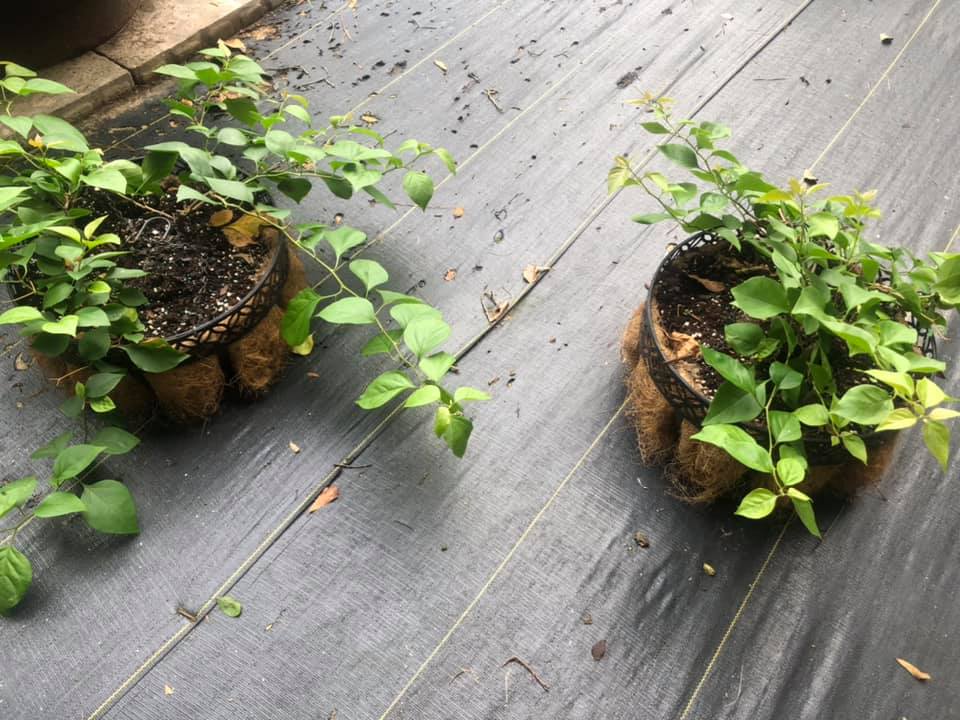
Young bougainvilleas take time to establish. If you’ve just planted one, it might focus on root and leaf growth before blooming. Also, bougainvilleas can go dormant in cooler months, pausing blooms. My first bougainvillea didn’t bloom for a year – turns out, it just needed time.
How to Fix
- Be patient. Give young plants 1-2 years to mature. Keep caring for them with proper water and light.
- Check for dormancy. In cooler climates, blooming may stop in fall or winter. This is normal. Resume regular care in spring.
- Stimulate growth. A light prune and a dose of bloom-boosting fertilizer in spring can jumpstart flowering.
Advanced Tips for American Gardeners
Now that we’ve covered the basics, let’s dive into some advanced strategies to ensure your bougainvillea blooms like crazy.
1. Soil pH and Amendments
Bougainvilleas prefer slightly acidic to neutral soil (pH 5.5-7.0). In alkaline soils, common in the Southwest, blooms may suffer. Test your soil with a kit from a garden center. If it’s too alkaline, add elemental sulfur or organic matter like compost.
2. Training and Support
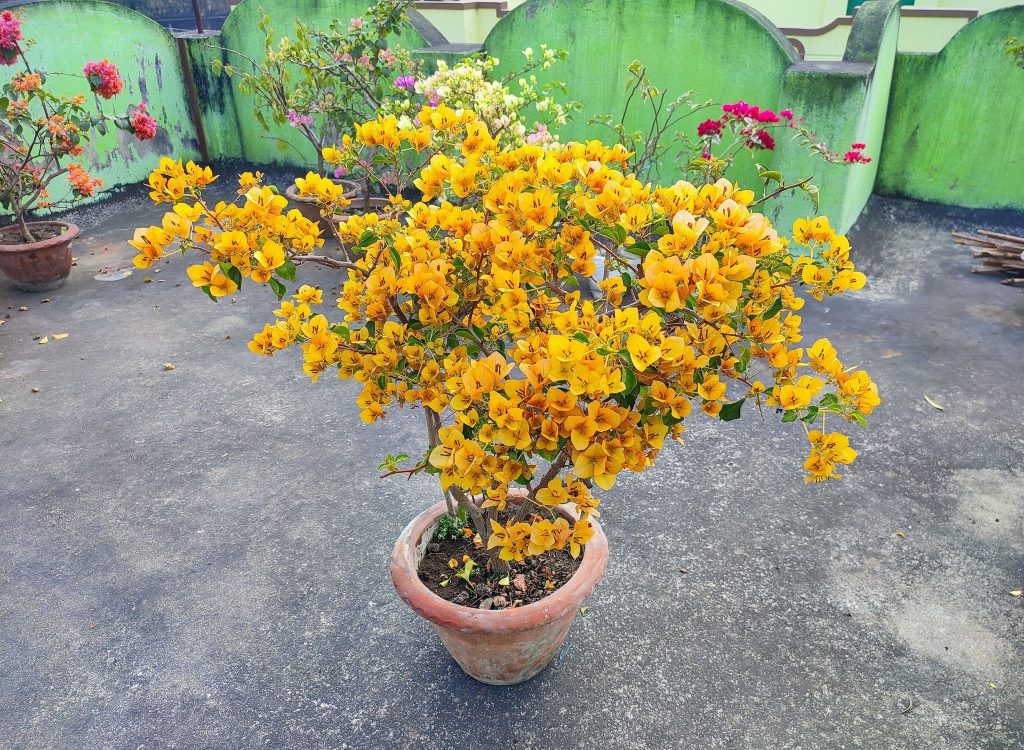
Bougainvilleas can be trained as vines, shrubs, or even standards (tree-like forms). Training encourages blooms by exposing more branches to light. I trained my bougainvillea along a trellis, and the increased air circulation boosted flowering. Use soft ties to avoid damaging stems.
3. Seasonal Care by Region
- Southern California: Prune in late winter. Water weekly in summer, less in winter. Watch for spider mites in dry heat.
- Florida: Reduce watering during rainy seasons. Protect from hurricanes with sturdy supports. Check for fungal issues.
- Texas: Cover during rare freezes. Use well-draining soil to prevent root rot in humid areas.
- Arizona: Provide afternoon shade in summer. Water deeply but infrequently. Add mulch to retain moisture.
4. Container Gardening
In colder zones (8 or below), grow bougainvilleas in pots. Move them indoors during winter. I keep a potted bougainvillea in my garage under grow lights from November to March. It blooms beautifully when I move it back outside in spring.
Troubleshooting Checklist
If your bougainvillea still isn’t blooming, run through this checklist:
- Sunlight: Is it getting 6+ hours of direct sun?
- Water: Are you watering sparingly, letting soil dry out?
- Fertilizer: Are you using a low-nitrogen, high-phosphorus mix?
- Pruning: Have you pruned lightly in late winter or early spring?
- Stress: Is the plant protected from cold, wind, or transplant shock?
- Pests/Diseases: Have you checked for aphids, mites, or mildew?
- Variety: Is your bougainvillea suited to your climate?
- Age: Is the plant mature enough to bloom?
Suggested For You:
7 Reasons Your Bougainvillea Leaves are Turning Yellow + Troubleshooting
8 Reasons Your Bougainvillea Is Not Blooming + Fixes That Work
Bougainvillea Cultivation: Identifying Common Varieties and How to Grow This Beautiful Plant
Rose of Sharon Cultivation: Your Guide to Growing This Stunning Flowering Shrub
10 Reasons Your Hibiscus is Not Blooming + How to Fix
Conclusion
A bougainvillea that won’t bloom can be frustrating, but it’s fixable. With the right sunlight, watering, nutrients, pruning, and care, your plant can transform into a floral masterpiece. My bougainvillea journey taught me patience and precision—now it’s your turn to make your garden glow.
References
- Clemson Cooperative Extension. “Bougainvillea.” https://hgic.clemson.edu/factsheet/bougainvillea/
- Missouri Botanical Garden. “Bougainvillea Plant Care.” http://www.missouribotanicalgarden.org/PlantFinder/PlantFinderDetails.aspx?kempercode=a548

Tim M Dave is a gardening expert with a passion for houseplants, particularly cacti and succulents. With a degree in plant biology from the University of California, Berkeley, he has vast experience in gardening. Over the years, he has cultivated a vast collection of desert plants and learned a great deal about how to grow and care for these unique companions.