7 Reasons Your Bougainvillea Leaves are Turning Yellow + Troubleshooting
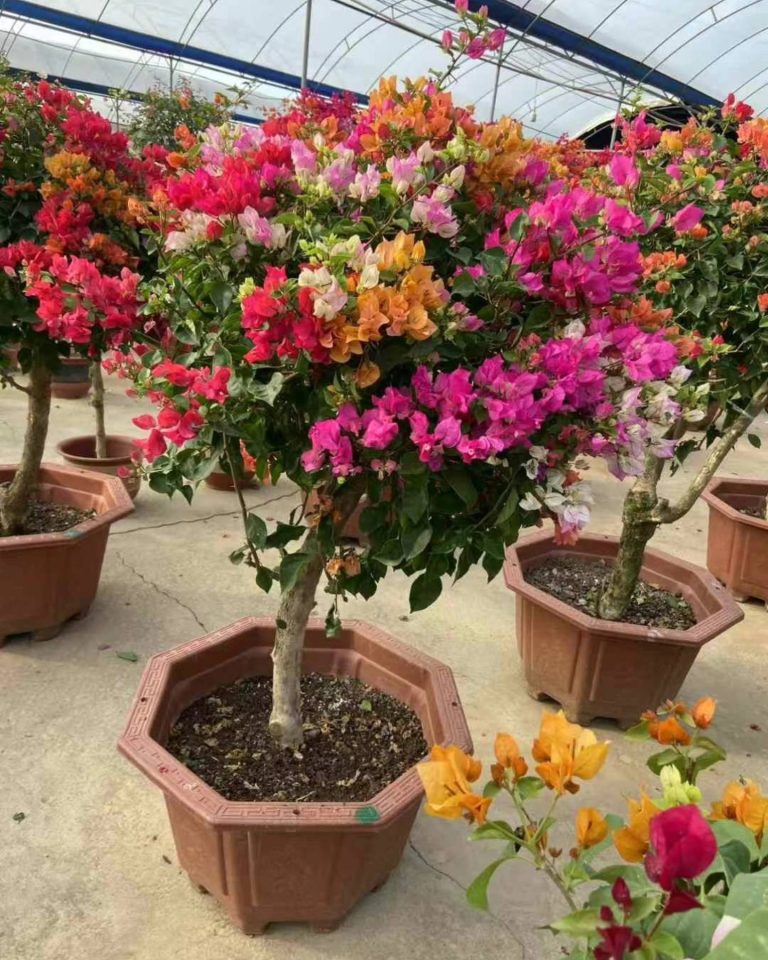
Bougainvillea is a tropical, woody vine or shrub known for its vibrant, paper-like bracts that come in shades of pink, purple, red, orange, and white. While the bracts steal the show, the leaves are the backbone of the plant’s health.
Native to South America, bougainvillea thrives in warm climates, making it a favorite in states like California, Florida, Texas, and Arizona. But even in these ideal conditions, yellow leaves can appear, signaling that something’s off.
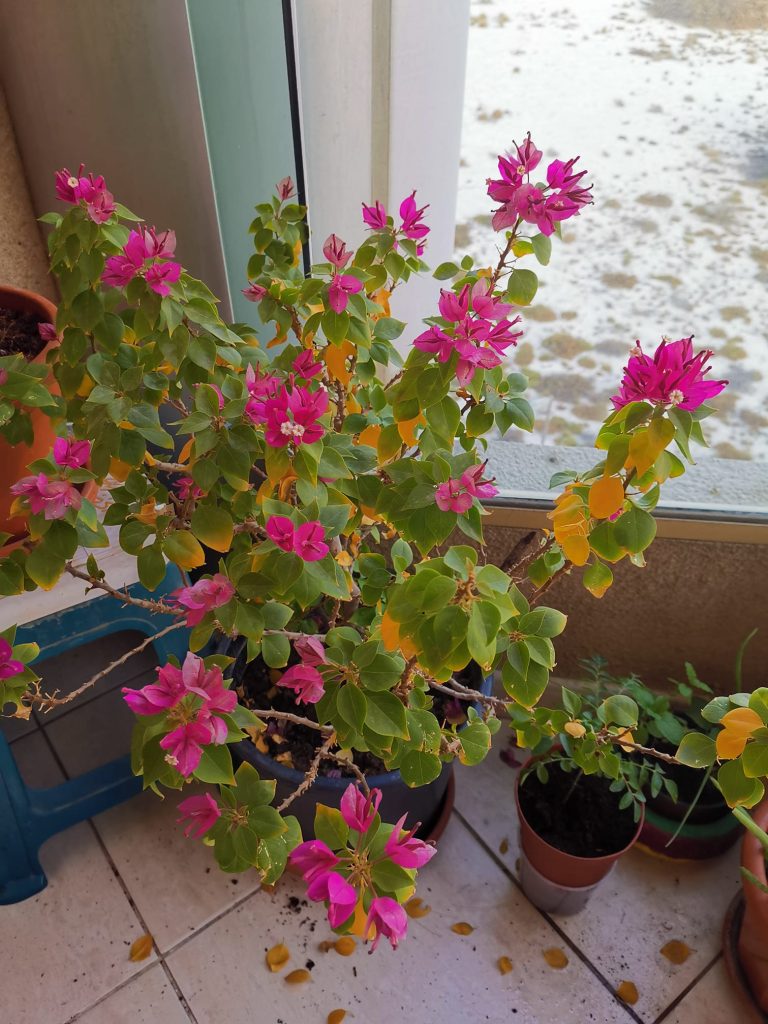
Yellowing leaves, or chlorosis, can stem from environmental issues, care mistakes, or pests. The key is identifying the cause and acting fast. Below, I’ll break down the most common reasons for yellowing bougainvillea leaves and offer practical solutions to revive your plant.
Why Are My Bougainvillea Leaves Turning Yellow
Here are the main causes of bougainvillea yellowing leaves.
1. Improper watering: Too Much or Too Little
Bougainvillea loves a balance when it comes to water. I learned this the hard way when I overwatered my plant, thinking more water meant more love. Nope! Overwatering can drown the roots, leading to yellow, droopy leaves.
On the flip side, underwatering can stress the plant, causing leaves to yellow and fall off. When the soil is dry, some leaves naturally yellow and fall off to reduce water loss. The rate of sugar processing is also slowed, meaning some parts of the plant have to bear the brunt.
Signs of Overwatering:
- Yellow, limp leaves that feel soft.
- Soggy soil that smells musty.
- Root rot (check for black, mushy roots).
Signs of Underwatering:
- Dry, crispy leaves that curl before yellowing.
- Soil that’s bone-dry to the touch.
Solutions
- Check and improve drainage: Bougainvillea hates wet feet. Ensure your plant is in well-draining soil. In my California garden, I mix sandy loam with perlite for perfect drainage.
- Adjust your watering schedule: Water deeply but infrequently. In hot American summers, water every 7-10 days. In cooler months, cut back to every 2-3 weeks.
- Test the Soil: Stick your finger 2 inches into the soil. If it’s dry, water. If it’s moist, wait.
Pro Tip: In humid regions like Florida, reduce watering frequency to avoid root rot. In arid areas like Arizona, you might need to water slightly more often during summer heatwaves.
2. Nutrient Deficiencies: Starving Your Bougainvillea
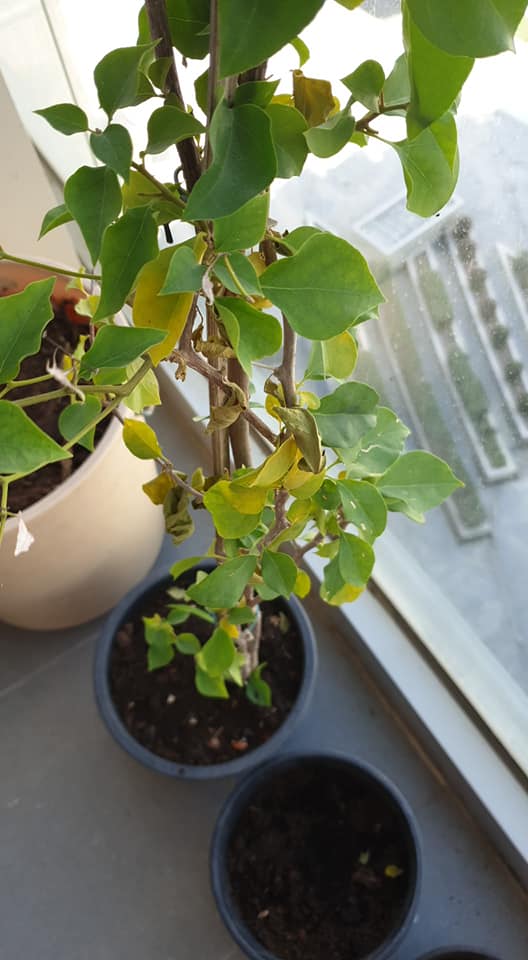
Bougainvillea is a hungry plant. I once noticed my plant’s leaves turning pale yellow with green veins—a classic sign of nutrient deficiency. The most common culprits are nitrogen, iron, and magnesium shortages. These nutrients are key for a green leafy plant.
Common Signs
- Nitrogen deficiency: Leaves turn uniformly yellow, starting with older ones. Growth slows down.
- Iron deficiency: Young leaves turn yellow, but veins stay green (interveinal chlorosis).
- Magnesium deficiency: Yellowing starts at leaf edges, moving inward.
Solutions:
- Fertilize Regularly: Use a balanced fertilizer (10-10-10) every 4-6 weeks during the growing season (spring to early fall). I swear by a slow-release granular fertilizer for my bougainvillea.
- Iron Supplements: For iron deficiency, apply chelated iron to the soil or as a foliar spray. I’ve had great results with liquid iron sprays in my Texas garden.
- Epsom Salts for Magnesium: Mix 1 tablespoon of Epsom salts in a gallon of water and apply monthly to boost magnesium.
Pro Tip: Test your soil’s pH. Bougainvillea prefers slightly acidic to neutral soil (pH 5.5-7.0). In alkaline soils, common in the Southwest, iron becomes less available, causing yellowing. Use a soil test kit (available at most garden centers) to check.
3. Insufficient sunlight: Bougainvillea’s Love for the Sun
Bougainvillea loves good sun. I made the mistake of planting one in a shady corner of my yard, and the leaves turned yellow faster than you can say “sunlight.” These plants need at least 6 hours of direct sun daily to thrive.
Signs of insufficient light
- Pale, yellow leaves.
- Sparse blooms or no bracts at all.
- Leggy growth occurs as the plant stretches for light.
Solutions
- Relocate or prune the plant: If your bougainvillea is in a pot, move it to a sunnier spot. For in-ground plants, trim nearby trees or shrubs blocking sunlight.
- Maximize sun exposure: In regions like the Pacific Northwest, where sunlight is limited, consider reflective mulches to bounce light onto the plant.
Pro Tip: In hot climates like Southern California, bougainvillea can handle full sun all day. In cooler areas like Oregon, place it in the sunniest spot possible, ideally against a south-facing wall to trap heat.
4. Pests and Diseases: Unwanted Guests
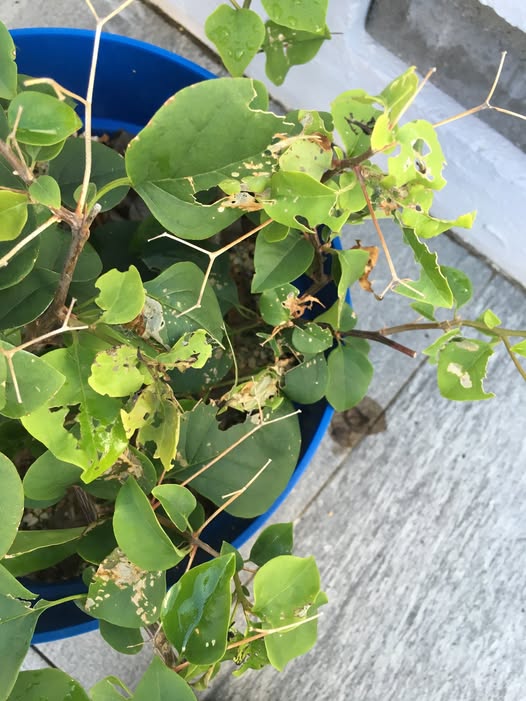
Pests and diseases can turn your bougainvillea’s leaves yellow faster than you can blink. I’ve battled aphids and fungal issues in my garden, and trust me, early detection is key. Overwatering, low humidity, and poor air flow encourage pests and diseases.
Common Pests
- Aphids: These tiny sap-suckers cause leaves to yellow and curl. Look for sticky residue (honeydew) on leaves.
- Spider mites: Tiny webs and speckled, yellow leaves are telltale signs.
- Whiteflies: Small white insects that fly when disturbed, causing yellowing and leaf drop.
Common Diseases
- Fungal leaf spot: Yellow spots with brown centers, often caused by overwatering or poor air circulation.
- Root rot: Yellow, wilting leaves due to waterlogged soil.
Solutions
- Pest control: Spray with neem oil or insecticidal soap. I apply neem oil every 7-10 days until pests are gone.
- Fungal treatments: Remove affected leaves and apply a fungicide. Ensure good air circulation by pruning dense growth.
- Prevent root rot: Improve drainage and avoid overwatering.
Pro Tip: In humid areas like the Southeast, check for pests and fungi regularly, especially after heavy rains. In dry climates like Nevada, spider mites thrive, so mist your plant occasionally to deter them.
5. Temperature Stress: Too Hot or Too Cold
Bougainvillea loves warmth but can get stressed by extreme temperatures. I’ve seen leaves yellow in my Arizona garden during scorching summers and in cooler coastal areas during chilly winters. They prefer temperatures between 5°C and 30°C (41°F and 86°F).
Signs of temperature stress
- Heat stress: Yellow, scorched leaves in extreme heat (above 100°F).
- Cold stress: Yellowing and leaf drop when temperatures dip below 40°F.
Solutions
- Protect from heat: Provide afternoon shade in scorching regions. Mulch the soil to keep roots cool.
- Winter protection: In areas with mild winters (USDA zones 9-11), bougainvillea is hardy. In cooler zones like 8 or below, grow in pots and bring indoors during frost. I cover my in-ground plants with frost cloth in rare cold snaps.
Pro Tip: Check your USDA hardiness zone. Bougainvillea thrives in zones 9-11, common in the South and Southwest. In colder areas like the Midwest, treat it as an annual or overwinter indoors.
6. Transplant Shock: A Common Newbie Mistake
I’ll admit it—I’ve transplanted bougainvillea without much thought, only to see the leaves turn yellow from shock. Moving a plant, whether from a nursery pot to the ground or to a new location, can stress it out.
Signs of transplant shock
- Yellowing leaves within a week of transplanting.
- Wilting or drooping despite proper watering.
Solutions
- Transplant carefully: Dig a wide hole, keep the root ball intact, and water thoroughly after planting.
- Acclimate gradually: If moving a potted plant, expose it to its new environment slowly over a week.
- Avoid root disturbance: Bougainvillea roots are sensitive. Handle with care.
Pro Tip: Spring is the best time to transplant in most U.S. regions, as it gives the plant time to establish before summer heat or winter cold.
7. Soil Issues: Drainage and pH
Poor soil can cause yellowing leaves faster than you’d expect. I once planted a bougainvillea in heavy clay soil, and the leaves turned yellow due to poor drainage and nutrient lockup. These plants prefer rich well draining soil, slightly acidic with an ideal pH range of 5.5 to 6.0.
Signs of soil issues
- Yellow leaves with stunted growth.
- Compacted or waterlogged soil.
Solutions
- Amend the soil: Mix in organic matter like compost or peat moss to improve drainage and nutrient availability.
- Test Soil: Use a soil test kit to check for nutrient imbalances or pH issues.
- Consider raised beds: In areas with heavy clay (common in parts of the Midwest), plant in raised beds for better drainage.
Pro Tip: In coastal areas with sandy soil, add compost to retain moisture. In clay-heavy regions like Georgia, incorporate perlite or sand.
Step-by-Step Action Plan to Fix Yellowing Leaves
- Diagnose the problem: Check for watering issues, nutrient deficiencies, pests, or environmental stress.
- Adjust watering: Ensure proper drainage and water only when the soil is dry.
- Fertilize: Apply a balanced fertilizer and address specific deficiencies with iron or magnesium supplements.
- Inspect for pests: Treat with neem oil or insecticidal soap if pests are present.
- Optimize sunlight: Ensure 6+ hours of direct sun daily.
- Protect from extremes: Shield from heat or cold stress based on your region.
- Monitor the soil: Test and amend soil as needed.
Preventing Yellow Leaves in the Future
When I first planted bougainvillea in my backyard, I was mesmerized by its vibrant pink bracts. But within a month, the leaves started yellowing. I panicked, thinking I’d killed my dream plant. After some research, I realized I was overwatering and had planted it in a spot with too much shade.
I adjusted my care routine—moved it to a sunnier spot, cut back on watering, and added a balanced fertilizer. Within weeks, the plant bounced back, and now it’s the star of my garden. If I can do it, so can you!
From my experiences, here’s how to keep your bougainvillea healthy:
- Plant in full sun with well-draining soil.
- Stick to a consistent schedule and avoid overwatering.
- Feed every 4-6 weeks during the growing season.
- Trim lightly in spring to encourage air circulation and remove dead growth.
- Check leaves weekly for signs of pests and treat as needed.
- Adjust care to your region’s weather patterns.
Bougainvillea Care by U.S. Region
Every region in the U.S. comes with its own unique challenges. Knowing how to adjust your plant’s care can bring success and reduce common issues like leaves yellowing. Here are a few tips to consider.
Southwest (California, Arizona, Nevada)
- Challenge: Intense heat and alkaline soils.
- Tips: Provide afternoon shade in summer. Test soil pH and add iron supplements if needed. Water deeply but infrequently.
Southeast (Florida, Georgia, South Carolina)
- Challenge: High humidity and heavy rains.
- Tips: Ensure excellent drainage to prevent root rot. Check for fungal issues after rain. Prune for air circulation.
Pacific Northwest (Oregon, Washington)
- Challenge: Limited sunlight and cooler temperatures.
- Tips: Grow in pots for mobility. Place in the sunniest spot possible. Bring indoors during winter.
Midwest (Illinois, Ohio)
- Challenge: Cold winters and heavy clay soils.
- Tips: Treat as an annual or overwinter indoors. Use raised beds to improve drainage.
Northeast (New York, Massachusetts)
- Challenge: Short growing season and cold winters.
- Tips: Grow in containers and bring indoors before frost. Maximize sunlight exposure.
FAQs
Q: Why are my bougainvillea leaves turning yellow and falling off?
A: This could be due to overwatering, nutrient deficiency, or cold stress. Check your watering habits, fertilize, and protect from frost.
Q: Can bougainvillea recover from yellow leaves?
A: Yes, if you address the cause early. Fix watering, fertilize, and ensure proper sunlight.
Q: How often should I water my bougainvillea?
A: Water every 7-10 days in summer, less in cooler months. Always check soil moisture first.
Q: Is yellowing normal in winter?
A: Some yellowing is normal as growth slows, but excessive yellowing may indicate cold stress or overwatering.
Q: What’s the best fertilizer for bougainvillea?
A: A balanced 10-10-10 fertilizer works well. Supplement with iron or magnesium if needed.
Suggested For You:
8 Reasons Your Bougainvillea Is Not Blooming + Fixes That Work
Bougainvillea Cultivation: Identifying Common Varieties and How to Grow This Beautiful Plant
4 Methods of Propagating Hibiscus + Success Tips
Beginners Guide: When and How to Prune Hibiscus
6 Reasons Hibiscus Leaves are Curling + How to Fix Fast
Conclusion
Yellowing bougainvillea leaves can be a gardener’s nightmare, but they’re not a death sentence. By understanding the causes—watering issues, nutrient deficiencies, insufficient sunlight, pests, temperature stress, transplant shock, or poor soil—you can take action to restore your plant’s vibrant green foliage.
With the right care, tailored to your region’s climate, your bougainvillea will thrive, filling your yard with color. I’ve shared my own struggles and successes, and I’m confident you can bring your plant back to life. So, grab your gardening gloves, test that soil, and give your bougainvillea the love it deserves!

Tim M Dave is a gardening expert with a passion for houseplants, particularly cacti and succulents. With a degree in plant biology from the University of California, Berkeley, he has vast experience in gardening. Over the years, he has cultivated a vast collection of desert plants and learned a great deal about how to grow and care for these unique companions.