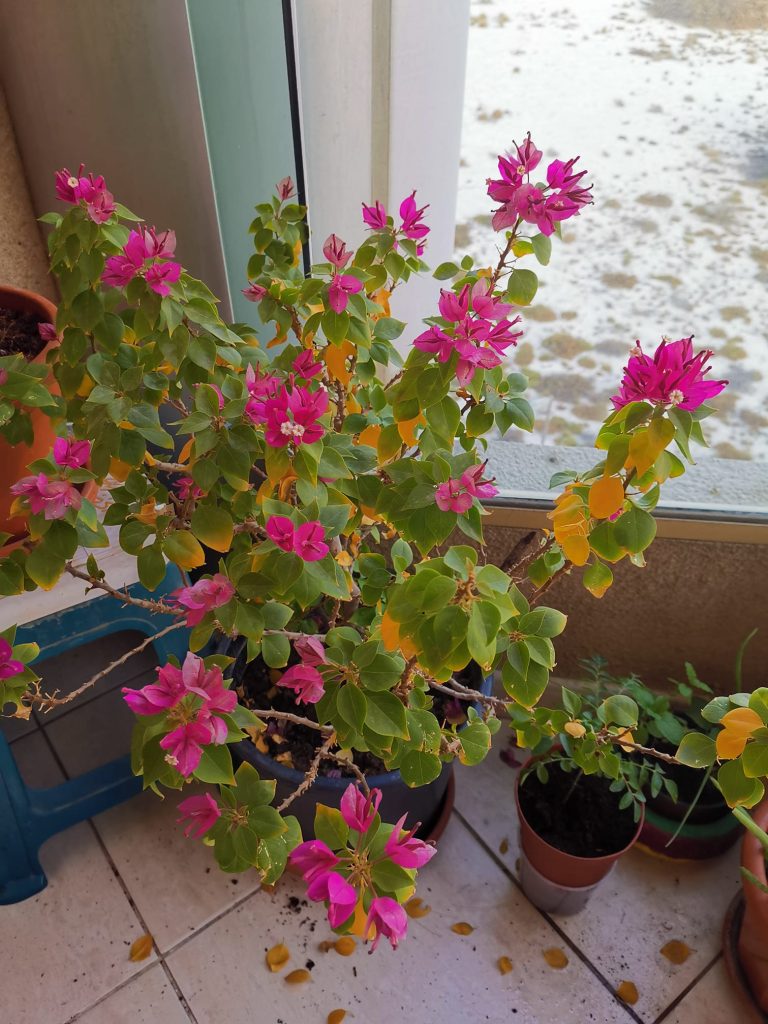
Bougainvillea Cultivation: Identifying Common Varieties and How to Grow This Beautiful Plant
Bougainvillea’s vibrant, cascading blooms transform any garden into a tropical paradise. As a gardener, I’ve fallen in love with its bold colors and resilience. This guide will help you cultivate stunning Bougainvillea. Let’s dive into its history, characteristics, care tips, and solutions to common problems.
A Brief History of Bougainvillea
Bougainvillea’s story begins in South America, where it was first discovered in the 1760s by French botanist Philibert Commerson during a voyage led by Admiral Louis Antoine de Bougainville.
Named after the admiral, this vibrant plant quickly captured hearts worldwide. Native to Brazil, Peru, and Argentina, Bougainvillea spread to tropical and subtropical regions, becoming a staple in Mediterranean, Caribbean, and Southeast Asian gardens.
By the 19th century, Bougainvillea was a global sensation, prized for its colorful bracts and ability to thrive in warm climates. Hybridization efforts in the 20th century introduced countless varieties, from dwarf shrubs to sprawling vines.
Today, it’s a favorite for hedges, trellises, and container gardens, adding a splash of color to landscapes everywhere.
Classification and Scientific Background
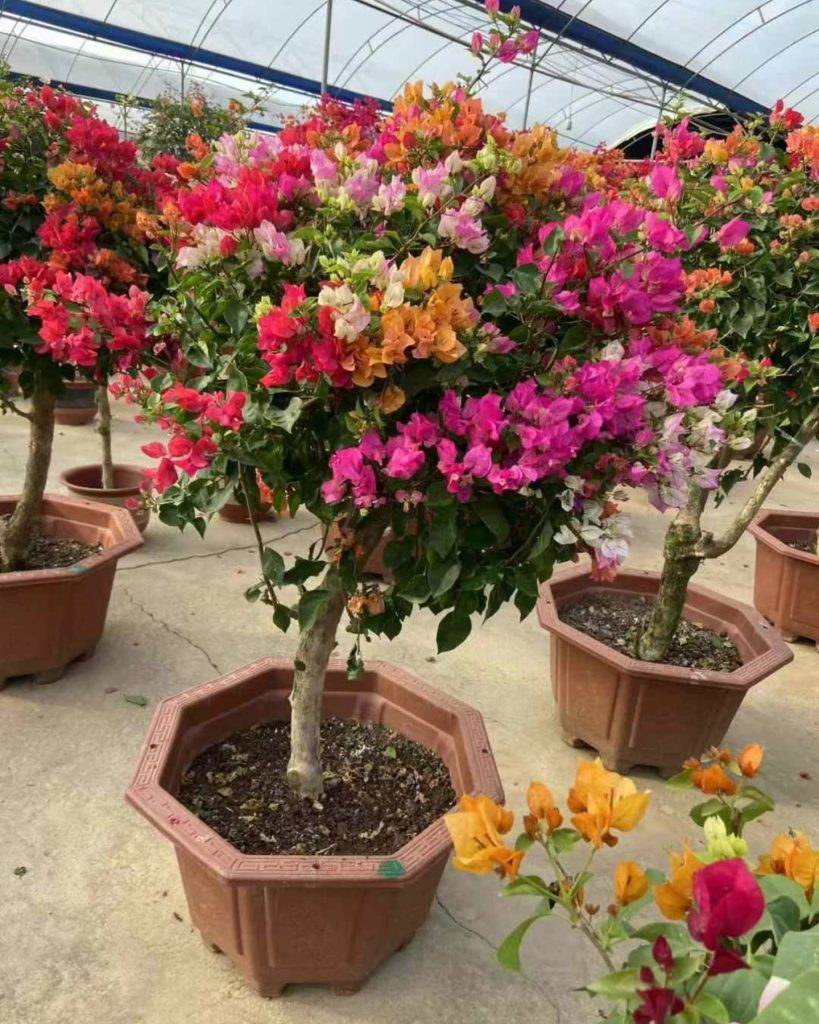
Bougainvillea belongs to the Nyctaginaceae family, commonly known as the four o’clock family. Its scientific name is Bougainvillea spp., with the most common species being Bougainvillea glabra, Bougainvillea spectabilis, and Bougainvillea peruviana. These species have been hybridized to create diverse cultivars, each with unique colors and growth habits.
Botanically, Bougainvillea is a woody vine or shrub, often evergreen in warm climates but deciduous in cooler regions. Its vibrant “blooms” are actually specialized leaf structures called bracts, which surround tiny, white tubular flowers. This unique feature makes Bougainvillea a standout in any garden.
Key Features of Bougainvillea
Here’s a quick look at Bougainvillea’s defining traits:
- Scientific Name: Bougainvillea spp. (e.g., B. glabra, B. spectabilis)
- USDA Hardiness Zones: 9–11 (can be grown as an annual or container plant in cooler zones)
- Color Variations: Pink, purple, red, orange, yellow, white, and bi-color combinations
- Sun Exposure: Full sun (6+ hours daily for optimal blooming)
- Mature Size: 1–40 feet tall and wide, depending on variety (dwarf to climbing vines)
- Lifespan: 20–50 years with proper care
- Toxicity: Mildly toxic to pets and humans if ingested; sap may cause skin irritation
Bougainvillea’s versatility makes it ideal for hedges, trellises, or pots. Its thorns, however, mean you’ll need gloves when pruning!
How to Grow Bougainvillea
Growing Bougainvillea is a labor of love, but the reward is a garden bursting with color. Below, I’ll share a detailed care guide based on my experience, covering every aspect from planting to winter protection.
Choosing the Perfect Location
Bougainvillea thrives in full sun. I learned this when I first planted one in a partially shaded spot, and it barely bloomed. Now, I ensure my plants get at least 6–8 hours of direct sunlight daily.
A south-facing wall, open patio, or unshaded garden bed is ideal. In cooler climates (Zones 8 or below), grow Bougainvillea in pots so you can move it indoors during winter. If you’re in a windy area, choose a spot with some protection, as strong winds can tear delicate bracts.
Soil Requirements
Well-draining soil is critical; Bougainvillea hates soggy roots. In my garden, I mix equal parts potting soil, sand, and compost for potted plants. For in-ground planting, I amend clay-heavy soil with perlite or coarse sand to improve drainage.
Aim for a slightly acidic to neutral pH (5.5–7.0). Test your soil with a pH kit (available at garden centers) to ensure it’s in the right range. I once lost a young plant to root rot because I ignored drainage, so don’t skip this step!
Planting Bougainvillea
- In-Ground Planting: Dig a hole twice as wide and as deep as the root ball. Place the plant at the same depth as it was in its nursery pot. Backfill with amended soil, press gently, and water deeply. I stake young vines to guide their growth.
- Container Planting: Choose a pot with drainage holes (12–16 inches for young plants, larger for mature ones). Fill with a well-draining mix. Water thoroughly after planting, but let the soil dry slightly before the next watering.
Watering
Bougainvillea prefers deep, infrequent watering. Let the top inch of soil dry out between waterings to mimic its native dry conditions. Overwatering is a common mistake—my first plant suffered because I watered it like my roses!
In hot summers, I water in-ground plants once a week, while potted ones need water every 4–5 days. In cooler months, reduce watering to every 10–14 days. Check soil moisture with your finger or a moisture meter to avoid guesswork.
Fertilizing
Bougainvillea isn’t a heavy feeder, but it benefits from regular fertilization during the growing season (spring to early fall). I use a balanced fertilizer (10-10-10) every 4–6 weeks. For brighter blooms, I switch to a bloom-boosting formula (5-10-10) in summer.
Apply fertilizer to moist soil to prevent root burn. Over-fertilizing leads to lush foliage but fewer blooms, so I learned to ease up after my plant turned into a green giant with no flowers!
Pruning and Training
Pruning is key to keeping Bougainvillea healthy and blooming. I prune mine in early spring to remove dead or damaged wood and shape the plant. For vines, I use a trellis or pergola to guide growth, securing branches with soft ties.
Wear thick gloves—those thorns are sharp! I pinch tips after each bloom cycle to encourage bushiness. Last year, I let my ‘Barbara Karst’ grow wild, and it took over my fence, so regular pruning is a must.
Supporting Growth
For climbing varieties, provide sturdy support like a trellis, arbor, or fence. I trained my ‘Singapore Pink’ along a pergola, and it’s now a stunning canopy. Use garden ties to gently secure branches, checking periodically to prevent constriction.
For shrubs, occasional shaping keeps them neat. If you’re growing in pots, ensure the container is heavy enough to support the plant’s weight as it grows.
Winter Care
In USDA Zones 9–11, Bougainvillea often stays evergreen. In cooler zones, bring potted plants indoors to a sunny window when temperatures drop below 40°F. Indoor plants need less water (every 2–3 weeks) and no fertilizer during winter.
For in-ground plants in borderline zones, I mulch the base with straw or bark to protect roots from frost. One winter, I forgot to mulch, and my plant struggled, so don’t skip this step if you’re in a cooler climate.
Repotting
Potted Bougainvillea needs repotting every 2–3 years or when roots become crowded. Repot in spring, choosing a pot 2–4 inches larger in diameter. Gently loosen the root ball, trim any circling roots, and refresh the soil mix. After repotting my ‘Raspberry Ice’, it bloomed more vigorously than ever.
Pest and Disease Prevention
Regular monitoring prevents issues. I inspect my plants weekly for pests like aphids or spider mites. Good airflow (from proper pruning) and avoiding overhead watering reduce fungal risks. I also clean fallen leaves to prevent pests from hiding.
A healthy Bougainvillea is more resistant to problems, so consistent care is your best defense.
Encouraging Blooms
To maximize blooms, stress the plant slightly by reducing water and fertilizer in late summer. I noticed my Bougainvillea bloomed more when I let the soil dry out a bit longer between waterings. Ensure full sun exposure and avoid high-nitrogen fertilizers, which favor leaves over bracts.
Long-Term Maintenance
Bougainvillea can live for decades with proper care. I’ve seen 30-year-old plants in neighbors’ gardens, still blooming vibrantly. Regular pruning, soil testing, and adjusting care based on seasonal changes keep your plant thriving.
My oldest Bougainvillea is 5 years old, and with these practices, I’m confident it’ll last for decades.
Common Problems and Solutions
Even with the best care, Bougainvillea can face challenges. Below, I’ll dive into the most common problems I’ve encountered and how to solve them, drawing from my own trials and errors.
1. No Blooms
Cause: Insufficient sunlight, over-fertilizing, overwatering, or pruning at the wrong time.
Symptoms: Lush green foliage but no colorful bracts.
Solution
- Ensure 6–8 hours of direct sun daily. I moved a struggling plant from a shaded corner to a sunny spot, and it bloomed within weeks.
- Use a low-nitrogen, bloom-boosting fertilizer (e.g., 5-10-10).
- Let the soil dry between waterings to stress the plant slightly, encouraging blooms.
- Prune after blooming, not before, to avoid cutting off flower buds.
Prevention: Choose a sunny location from the start and monitor fertilizer use.
2. Leaf Drop
Cause: Cold temperatures, overwatering, underwatering, or transplant shock.
Symptoms: Leaves yellow and fall, often in winter or after repotting.
Solution
- Protect from frost by covering in-ground plants or moving pots indoors. I use frost cloth on chilly nights.
- Check soil drainage and reduce watering if soil is soggy. I lost a plant to overwatering early on, so I now use a moisture meter.
- For underwatering, water deeply and consistently until the plant recovers.
- For transplant shock, give the plant time (2–4 weeks) and avoid fertilizing until established.
Prevention: Maintain consistent care and protect from temperature extremes.
3. Pests
Common Pests: Aphids, spider mites, whiteflies, and Bougainvillea looper caterpillars.
Symptoms: Sticky residue (aphids), webbing (spider mites), tiny white insects (whiteflies), or chewed leaves (loopers).
Solution
- Aphids: Spray with a strong hose jet or neem oil. I blasted aphids off my ‘California Gold’ and followed with neem oil weekly.
- Spider Mites: Increase humidity and spray with insecticidal soap. Check undersides of leaves, where they hide.
- Whiteflies: Use yellow sticky traps or neem oil. I caught dozens with traps near my patio plant.
- Loopers: Hand-pick caterpillars or use Bacillus thuringiensis (Bt). I found loopers munching at night and removed them manually.
Prevention: Inspect plants weekly, maintain good airflow, and avoid over-fertilizing, which attracts pests.
4. Yellowing Leaves
Cause: Nutrient deficiency (iron or nitrogen), overwatering, or poor drainage.
Symptoms: Leaves turn yellow, often with green veins (iron deficiency) or overall pale foliage.
Solution
- Test the soil for nutrients. I use a soil test kit annually to check levels.
- For iron deficiency, apply chelated iron per package instructions.
- For nitrogen deficiency, use a balanced fertilizer sparingly.
- Improve drainage with perlite or sand if the soil is waterlogged.
Prevention: Maintain proper soil pH and drainage, and fertilize appropriately.
5. Fungal Diseases
Cause: Excess moisture, poor airflow, or overhead watering.
Symptoms: Powdery mildew (white coating on leaves), leaf spot (brown spots), or root rot (wilting despite wet soil).
Solution
- For powdery mildew, apply a fungicide and improve airflow through pruning. I caught this early on my ‘Purple Queen’ and saved it with prompt treatment.
- For leaf spot, remove affected leaves and avoid wetting foliage.
- For root rot, reduce watering and improve drainage. Severely affected plants may need to be replaced.
Prevention: Water at the base, prune for airflow, and clean up fallen debris.
6. Bract Fading
Cause: Insufficient light, overwatering, or nutrient imbalance.
Symptoms: Bracts lose vibrancy or turn pale.
Solution
- Ensure full sun exposure.
- Reduce watering frequency.
- Adjust fertilizer to a bloom-boosting formula.
Prevention: Monitor light and water conditions closely.
7. Weak Growth
Cause: Poor soil, lack of nutrients, or root-bound plants.
Symptoms: Stunted growth, small leaves, or sparse blooms.
Solution
- Test and amend the soil with compost or fertilizer.
- Repot root-bound plants into a larger container.
- Prune to stimulate new growth.
Prevention: Repot every 2–3 years and maintain fertile, well-draining soil.
These solutions have saved my Bougainvillea from numerous issues. Regular monitoring and quick action are key to keeping your plant healthy.
Bougainvillea Varieties – Popular cultivators
Bougainvillea’s diversity is one of its greatest strengths. With hundreds of cultivars, there’s a variety for every garden. Below, I’ll highlight some popular ones, their unique traits, and how I’ve used them in my own gardening projects.
1. Barbara Karst
- Color: Vibrant red bracts
- Growth: Vigorous vine, up to 30 feet
- Best For: Trellises, fences, or large containers
My Experience: I trained ‘Barbara Karst’ along my garden fence, and its fiery red bracts draw compliments from every neighbor. It blooms almost year-round in my Zone 10 garden.
2. California Gold
- Color: Golden yellow bracts
- Growth: Moderate vine, 10–20 feet
- Best For: Arbors or hedges
My Experience: I planted this in a pot for my patio. Its sunny hue brightens the space, though it needs regular pruning to stay compact.
3. Raspberry Ice
- Color: Pink bracts with variegated cream-green leaves
- Growth: Compact shrub, 3–6 feet
- Best For: Containers or low hedges
My Experience: This dwarf variety is perfect for my small balcony. The variegated foliage adds interest even when it’s not blooming.
4. Singapore Pink
- Color: Soft pink bracts
- Growth: Vigorous vine, 15–30 feet
- Best For: Walls or pergolas
My Experience: I gifted a cutting of this to a friend, and it’s now a stunning focal point in her garden.
5. Purple Queen
- Color: Deep purple bracts
- Growth: Shrub or vine, 10–15 feet
- Best For: Mixed borders or espalier
My Experience: Its rich color pairs beautifully with white roses in my garden bed.
Choosing the Right Variety
When selecting a Bougainvillea, consider your space, climate, and aesthetic goals. Dwarf varieties like ‘Raspberry Ice’ are ideal for small gardens or containers, while vigorous vines like ‘Barbara Karst’ suit large structures.
I always check the mature size before planting, as some varieties can overwhelm a small space. For colder climates, choose compact varieties that can be potted and moved indoors.
Tips for Success with Varieties
- Match to climate: Vigorous varieties thrive in tropical regions, while dwarfs are better for temperate zones.
- Color coordination: Pair contrasting colors (e.g., purple with yellow) for a vibrant display.
- Growth control: Regular pruning keeps even vigorous varieties manageable.
Exploring Bougainvillea varieties is like choosing candy from a store—so many options, each with its own charm. Experimenting with different cultivars has been one of the joys of my gardening journey.
Landscaping with Bougainvillea
Bougainvillea’s versatility makes it a landscaping superstar. I’ve used it to transform dull spaces into vibrant displays. Here are creative ideas and tips:
Hedges and Borders
Compact varieties like ‘Raspberry Ice’ make stunning hedges. I planted a row along my driveway, and the variegated leaves add year-round interest. Space plants 3–4 feet apart for a dense hedge.
Trellises and Arbors
Vigorous vines like ‘Barbara Karst’ are perfect for covering trellises or arbors. My pergola is draped with ‘Singapore Pink’, creating a shaded, colorful retreat. Secure branches with ties and prune to maintain shape.
Container Gardens
Dwarf varieties shine in pots. I have a ‘California Gold’ on my patio, adding a pop of color. Use large, heavy pots to prevent tipping and ensure drainage.
Ground Covers
Low-growing varieties can spill over slopes or walls. I saw this in a Mediterranean garden, where Bougainvillea cascaded down a hillside, creating a sea of color.
Companion Planting
Pair Bougainvillea with drought-tolerant plants like lavender, succulents, or ornamental grasses. I combined mine with agave for a striking contrast.
Design Tips
- Mix colors for drama (e.g., purple and yellow) or stick to one hue for cohesion.
- Use dwarfs for small spaces and vines for large structures.
- Plan for pruning access, especially for thorny vines.
Bougainvillea’s bold beauty elevates any landscape, and experimenting with its placement has been one of my favorite gardening adventures.
Seasonal Care Calendar
A seasonal care plan keeps Bougainvillea thriving. Here’s a quick guide based on my routine:
- Spring: Prune to shape, fertilize with 10-10-10, and water weekly. Start propagation.
- Summer: Water every 4–7 days, fertilize monthly, and monitor for pests. Pinch tips for blooms.
- Fall: Reduce watering and fertilizing. Prepare for winter in cooler zones.
- Winter: Protect from frost, water sparingly (every 2–3 weeks), and avoid fertilizing.
Adjust based on your climate, and your Bougainvillea will reward you with year-round beauty.
Advanced Propagation Techniques
Propagating Bougainvillea is fun and cost-effective. I’ve had success with cuttings:
- Take 6-inch semi-hardwood cuttings in spring.
- Dip in rooting hormone and plant in a perlite-peat mix.
- Keep moist and warm (70–80°F) in bright, indirect light.
- Roots form in 6–8 weeks.
I’ve also tried layering for ground plants, bending a low branch into soil until it roots. Seeds are trickier and less common but viable for enthusiasts. Propagation has let me share Bougainvillea with friends, spreading the joy of this plant.
Bougainvillea in Different Climates
Bougainvillea thrives in warm climates but can adapt with care:
- Tropical Regions: Plant in-ground with minimal winter prep. I saw lush Bougainvillea in Hawaii, blooming year-round.
- Mediterranean Climates: Perfect for Bougainvillea; ensure good drainage.
- Arid Regions: Water deeply but infrequently.
- Cooler Zones (7–8): Grow in pots, mulch in-ground plants, or use greenhouses. I move my pots indoors in winter, and they survive Zone 8 winters.
Adjust care to your region, and Bougainvillea will flourish.
Suggested For You:
7 Reasons Your Bougainvillea Leaves are Turning Yellow + Troubleshooting
8 Reasons Your Bougainvillea Is Not Blooming + Fixes That Work
10 Common Hibiscus Problems: Identification + Troubleshooting Tips
Battling Aphid Problem on Hibiscus in Colorado: Your Ultimate Guide to Saving Your Blooms
6 Reasons Hibiscus Leaves are Curling + How to Fix Fast
Cultural and Historical Significance
Bougainvillea holds cultural significance in many regions. In the Caribbean, it symbolizes hospitality, often adorning resort entrances. In India, it’s used in festivals and weddings for its vibrant beauty. I love how it’s woven into local traditions, from Mediterranean courtyards to tropical festivals, reflecting its universal appeal.
FAQs About Growing Bougainvillea
Q: How fast does Bougainvillea grow?
A: Bougainvillea grows 1–2 feet per year in ideal conditions. Dwarf varieties are slower.
Q: Can Bougainvillea grow indoors?
A: Yes, in bright, sunny spots. Use a grow light if needed.
Q: Is Bougainvillea safe for pets?
A: It’s mildly toxic. Keep pets from chewing leaves, and handle sap with gloves.
Q: Why are my Bougainvillea’s bracts fading?
A: Fading indicates too much water or insufficient sun. Adjust care accordingly.
Q: How often should I prune?
A: Prune in early spring and lightly after blooms to shape and encourage flowering.
References
- Royal Horticultural Society. (n.d.). Bougainvillea Growing Guide. Retrieved from https://www.rhs.org.uk/plants/bougainvillea/growing-guide
- University of Florida IFAS Extension. (n.d.). Bougainvillea. Retrieved from https://edis.ifas.ufl.edu/publication/FP067
- Missouri Botanical Garden. (n.d.). Bougainvillea spectabilis. Retrieved from http://www.missouribotanicalgarden.org/PlantFinder/PlantFinderDetails.aspx?taxonid=282614
- ASPCA. (n.d.). Bougainvillea. Retrieved from https://www.aspca.org/pet-care/animal-poison-control/toxic-and-non-toxic-plants/bougainvillea

Tim M Dave is a gardening expert with a passion for houseplants, particularly cacti and succulents. With a degree in plant biology from the University of California, Berkeley, he has vast experience in gardening. Over the years, he has cultivated a vast collection of desert plants and learned a great deal about how to grow and care for these unique companions.