8 Main Bloodgood Japanese Maple Tree Problems: (And How to Fix Them)
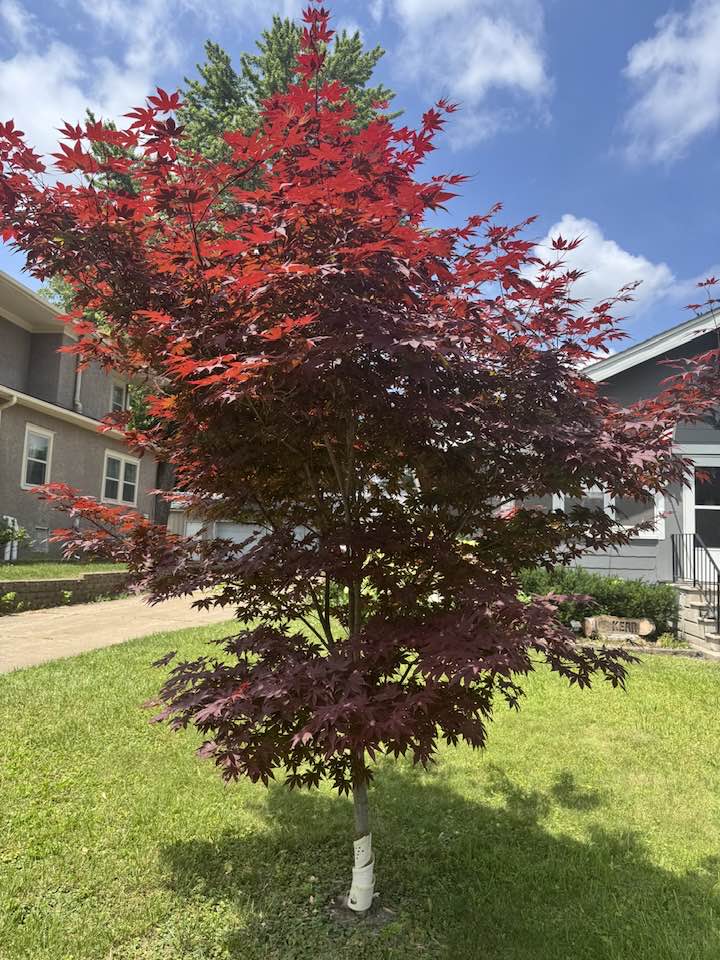
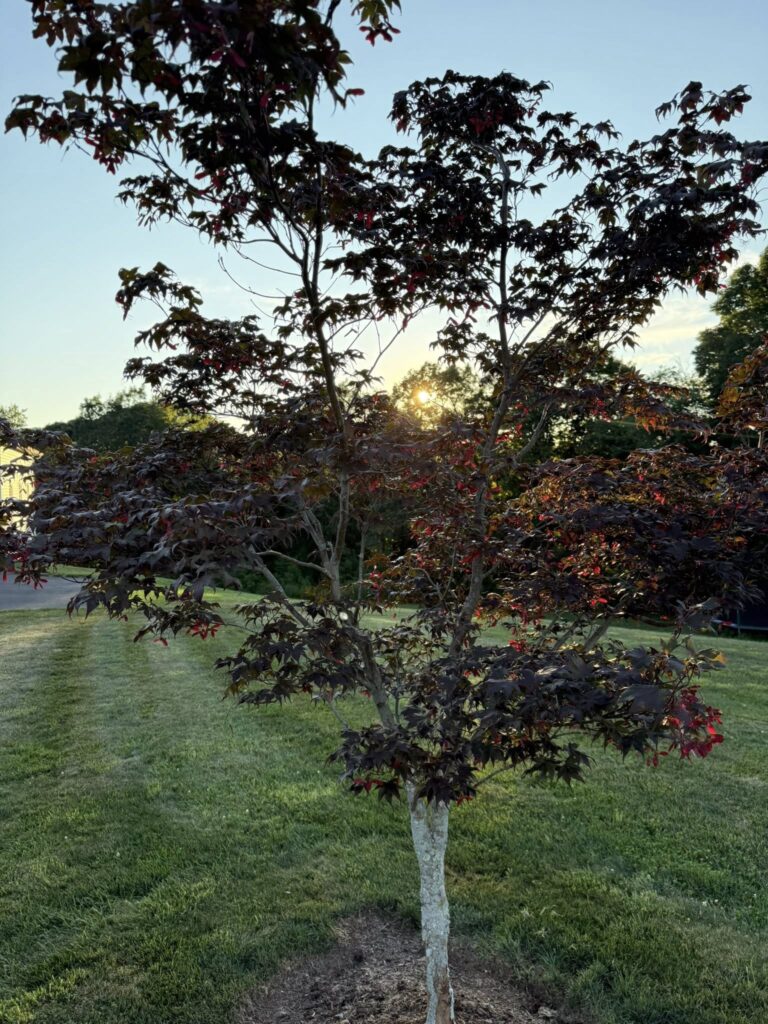
The Bloodgood Japanese maple (Acer palmatum ‘Bloodgood’) is one of the most recognizable ornamental trees in North American and European landscapes. Its deep burgundy-red foliage, elegant branching structure, and relatively compact size make it a favorite among homeowners.
I have seen it grace countless front gardens, courtyards, and public parks — and for good reason.
But here is the reality: Bloodgood Japanese maples are more sensitive than they appear. When something goes wrong, the signs can range from subtle leaf discoloration to sudden branch dieback. Many growers, especially first-timers, misread the symptoms and apply the wrong fix — which often makes things worse.
This guide walks through the most common Bloodgood Japanese maple tree problems, explains what causes them, and tells you how to address each one. It also covers the ideal growing conditions so you can prevent problems from arising in the first place.
1. Leaf Scorch: The Most Frequent Complaint
If the leaf margins of your Bloodgood are turning brown or crispy while the rest of the leaf stays intact, you are most likely dealing with leaf scorch. This is probably the single most reported problem with this tree.
What causes it?
Leaf scorch occurs when the tree loses water through its leaves faster than its roots can absorb it. This happens due to:
- Hot afternoon sun, especially in USDA zones 7 and above
- Dry or compacted soil that limits water uptake
- Strong, drying winds that accelerate moisture loss
- Reflected heat from nearby pavement, walls, or fences
It is important to note that leaf scorch is not a disease. It is a physiological stress response. The tree itself may be perfectly healthy underneath.
How to address it:
Move containerized specimens to a spot that receives morning sun and afternoon shade. For in-ground trees, consistent watering during dry spells is critical. Applying a 2–3 inch layer of organic mulch around the base of the tree — keeping it away from the trunk — helps retain soil moisture significantly.
Avoid overhead watering in the heat of the day, as water droplets can magnify sunlight and worsen the burn.
2. Root Rot: A Silent and Serious Problem
Root rot is one of those problems that hides underground until the damage is severe enough to show up in the canopy. By then, recovery is difficult.
What causes it?
Root rot in Bloodgood Japanese maples is most commonly caused by the water mold Phytophthora species and Pythium species. Both thrive in waterlogged, poorly drained soil. Overwatering — or planting in a site with poor drainage — creates the perfect conditions for these pathogens.
Signs you may have root rot include:
- Wilting leaves even when the soil is moist
- Yellowing foliage that does not respond to watering
- Stunted growth or branch dieback starting at the tips
- Dark, mushy roots when you examine the root zone
How to address it:
Prevention is far more effective than treatment. Never plant a Bloodgood in a low-lying area where water pools. If root rot has taken hold, improve drainage immediately by amending the soil or creating a raised planting bed.
In moderate cases, treating the root zone with a phosphonate-based fungicide may help slow the progression. Severely affected trees often do not recover fully.
3. Verticillium Wilt: A Fungal Disease That Moves Fast
Verticillium wilt is a soil-borne fungal disease caused by Verticillium dahliae or Verticillium albo-atrum. It is particularly destructive because it invades the tree’s vascular system — the internal plumbing that carries water and nutrients.
How to identify it:
The most telltale sign is wilting or dying on one side of the tree while the other side appears healthy. You may also notice:
- Leaves that curl, yellow, or brown prematurely
- Sudden branch dieback, often called “flagging”
- A greenish or brownish streaking in the sapwood when you cut into an affected branch
How to address it:
There is no chemical cure for Verticillium wilt once a tree is infected. Management focuses on slowing the spread and supporting the tree’s overall health:
- Prune out affected branches and dispose of them — never compost infected wood
- Fertilize conservatively with a balanced, slow-release fertilizer to support new growth
- Water consistently to reduce additional stress
- Avoid wounding the tree during mowing or staking, as wounds provide entry points for the fungus
In some cases, mildly affected trees can recover over several seasons if they are otherwise well cared for. Severely affected trees may need to be removed.
4. Aphid Infestations: Small Insects, Big Impact
Aphids are tiny, soft-bodied insects that cluster on new growth and on the undersides of leaves. They feed by piercing plant tissue and extracting sap, which weakens the tree over time.
Signs of aphid infestation:
- Sticky, shiny residue (honeydew) on leaves and surfaces beneath the tree
- Black sooty mold growing on the honeydew
- Curled, distorted, or yellowing new leaves
- Clusters of tiny green, black, or brown insects on leaf undersides
A moderate aphid population rarely kills a healthy tree. However, large infestations over multiple seasons can weaken the Bloodgood enough to make it susceptible to secondary problems.
How to address it:
Start with the gentlest approach: a strong blast of water from a garden hose can knock aphids off branches and disrupt their colonies. Insecticidal soap or neem oil applied in the early morning or evening are effective for heavier infestations.
Avoid broad-spectrum insecticides, which also kill beneficial predatory insects like ladybugs and lacewings that naturally keep aphid populations in check.
5. Scale Insects: Easy to Miss, Hard to Eliminate
Scale insects are often mistaken for bark abnormalities or disease symptoms. They appear as small, waxy or shell-like bumps on stems and branches. There are two main types — soft scales and armored scales — and both affect Japanese maples.
What they do:
Like aphids, scale insects feed on plant sap. Over time, they can cause:
- Yellowing or dropping leaves outside of the normal seasonal cycle
- Branch dieback in severe cases
- Sooty mold from the honeydew they excrete
How to address it:
Horticultural oil is one of the most effective treatments for scale. Applied during dormancy (late winter to early spring) or during the crawler stage in early summer, it smothers the insects without harming the tree.
For armored scales in particular, repeat applications are usually necessary. Severely infested branches should be pruned and removed.
6. Tar Spot: Alarming Appearance, Low Severity
If you see large, raised black spots on the leaves of your Bloodgood in summer, it is likely tar spot — a fungal disease caused by Rhytisma acerinum. The spots may look alarming, but they rarely cause serious harm to the tree.
Tar spot thrives in cool, wet springs. The fungus overwinters in fallen leaf litter and reinfects trees the following spring.
How to address it:
The most effective management strategy is simple: rake and dispose of fallen leaves thoroughly in autumn. Do not compost infected leaves. In areas with recurring infections, a preventive fungicide application in early spring (at bud break) can reduce the severity.
Since tar spot is largely cosmetic, many growers choose not to treat it at all.
7. Bark Splitting and Winter Damage
Bloodgood Japanese maples are rated hardy to USDA Zone 5, but they can still suffer from late spring frosts and temperature fluctuations. Bark splitting — where the outer bark cracks or peels away — is often a sign of frost damage or freeze-thaw cycles in winter.
Young trees and newly planted specimens are most vulnerable. A tree that has been stressed by drought, poor soil, or disease is also more susceptible to cold injury.
How to address it:
Wrapping the trunk of young trees in burlap or tree wrap before winter can reduce frost cracking. Avoid heavy nitrogen fertilization in late summer, as this encourages soft new growth that is poorly equipped to handle cold temperatures.
If bark splitting occurs, do not attempt to seal the wound with tar or paint — allow it to compartmentalize naturally. Keep the tree well-watered going into the fall season.
8. Chlorosis: When Leaves Lose Their Color
Chlorosis refers to a yellowing of the leaf tissue between the veins, while the veins themselves remain green. In a Bloodgood, this can appear as an unusual lightening or dullness of the normally deep red foliage.
The most common cause is iron deficiency, often triggered not by a lack of iron in the soil, but by high soil pH that makes iron unavailable to the plant. Japanese maples prefer slightly acidic soil (pH 5.5–6.5). In alkaline soils, iron becomes chemically locked and the roots cannot absorb it.
How to address it:
Test your soil pH before attempting any treatment. If the pH is too high, amending with elemental sulfur over time can gradually lower it. Chelated iron supplements can provide a more immediate correction.
Avoid planting near concrete walkways or foundations, which can leach lime into surrounding soil and raise the pH.
Growing Conditions: Getting It Right From the Start
Prevention is always easier than treatment. Most of the problems described above can be avoided — or significantly reduced — by giving your Bloodgood the right conditions from the beginning.
Sunlight
Bloodgood Japanese maples perform best in partial shade to full sun, depending on your climate. In warmer regions (Zones 7–9), afternoon shade is strongly recommended to prevent leaf scorch. In cooler climates (Zones 5–6), full sun is tolerated and often brings out the richest red color in the foliage.
Soil
Plant in well-drained, slightly acidic soil rich in organic matter. Amend heavy clay soils with compost and coarse sand to improve drainage. Avoid compacted soils, as poor aeration stresses the roots and invites fungal problems.
Watering
Consistent moisture is key, especially during the first two to three years after planting while the tree establishes its root system. Deep, infrequent watering is preferable to shallow, frequent watering. Once established, Bloodgood maples develop reasonable drought tolerance, but they still benefit from supplemental watering during extended dry periods.
Mulching
A 2–3 inch layer of organic mulch (shredded bark, wood chips, or compost) around the root zone — not touching the trunk — regulates soil temperature, retains moisture, and suppresses weeds. This single practice goes a long way in reducing stress-related problems.
Fertilization
Feed sparingly. An annual application of a slow-release, balanced fertilizer in early spring is usually sufficient. Over-fertilization, particularly with high-nitrogen products, encourages excessive soft growth that is vulnerable to pests, disease, and cold damage.
Pruning
Bloodgood Japanese maples have a naturally elegant form and require minimal pruning. When pruning is necessary, do it in late winter or early spring, before new growth emerges. Remove dead, crossing, or diseased branches. Always use clean, sharp tools to minimize the risk of introducing pathogens.
Climate and Hardiness
Bloodgood is hardy in USDA Zones 5–8. In Zone 5, site selection matters enormously — a sheltered spot that avoids late spring frosts and cold winter winds will dramatically improve the tree’s performance.
In Zone 9 and warmer, heat stress becomes the primary challenge, and consistent moisture and afternoon shade are essential.
A Note on Diagnosis
One thing I always recommend before any treatment: take time to observe the full picture. A single symptom — yellowing leaves, for instance — can point to half a dozen different problems. Look at where the discoloration appears (margins vs. between veins), when it started (spring vs. summer), how fast it spread, and whether the entire tree is affected or just one side.
If you are unsure, your local cooperative extension service or a certified arborist can provide a proper diagnosis. Sometimes what looks catastrophic is entirely correctable with a simple change in watering habits.
Suggested For You:
Acer Palmatum Bloodgood Growth Rate: How Fast Does a Bloodgood Japanese Maple Grow?
White Oak vs Red Oak Tree: Comparison + Which One To Choose
20 Fast-Growing Trees That Won’t Clutter Your Yard — Beautiful, Tidy, and Built to Impress
Kousa Dogwood Problems: What Every Gardener Should Know
12 Common Jacaranda Tree Problems: Identify and Fix Before It’s Too Late
Conclusion
The Bloodgood Japanese maple is a remarkable tree, but it rewards attentive care. Understanding the problems it is prone to — and why they occur — is the foundation of good tree stewardship. Whether you are dealing with leaf scorch in a hot summer, an unexpected fungal infection, or a pest outbreak, early identification and the right response make all the difference.
Give it the right soil, the right light, consistent water, and minimal fertilizer. Address problems early, before they escalate. Do that, and your Bloodgood can remain a stunning focal point in your landscape for decades.
References
- University of Florida IFAS Extension — Acer palmatum: Japanese Maple https://edis.ifas.ufl.edu/publication/ST027
- Penn State Extension — Verticillium Wilt of Trees and Shrubs https://extension.psu.edu/verticillium-wilt-of-trees-and-shrubs
- University of California Agriculture and Natural Resources (UC ANR) — Phytophthora Root and Crown Rot in the Garden https://ipm.ucanr.edu/PMG/GARDEN/PLANTS/DISEASES/phytophthora.html
- Clemson University Cooperative Extension — Japanese Maple https://hgic.clemson.edu/factsheet/japanese-maple/
- North Carolina State University Extension — Acer palmatum ‘Bloodgood’ — Bloodgood Japanese Maple https://plants.ces.ncsu.edu/plants/acer-palmatum-bloodgood/

Tim M Dave is a gardening expert with a passion for houseplants, particularly cacti and succulents. With a degree in plant biology from the University of California, Berkeley, he has vast experience in gardening. Over the years, he has cultivated a vast collection of desert plants and learned a great deal about how to grow and care for these unique companions.