Black Spots on Fiddle Leaf Fig Leaves: Causes, Fixes, and Prevention
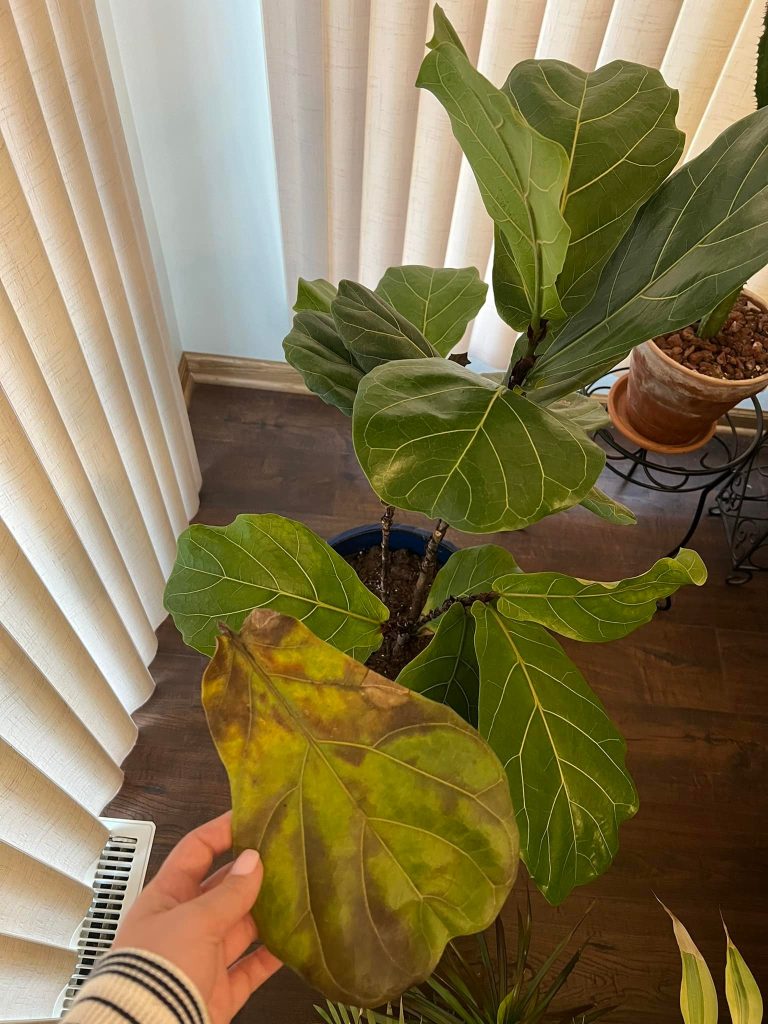
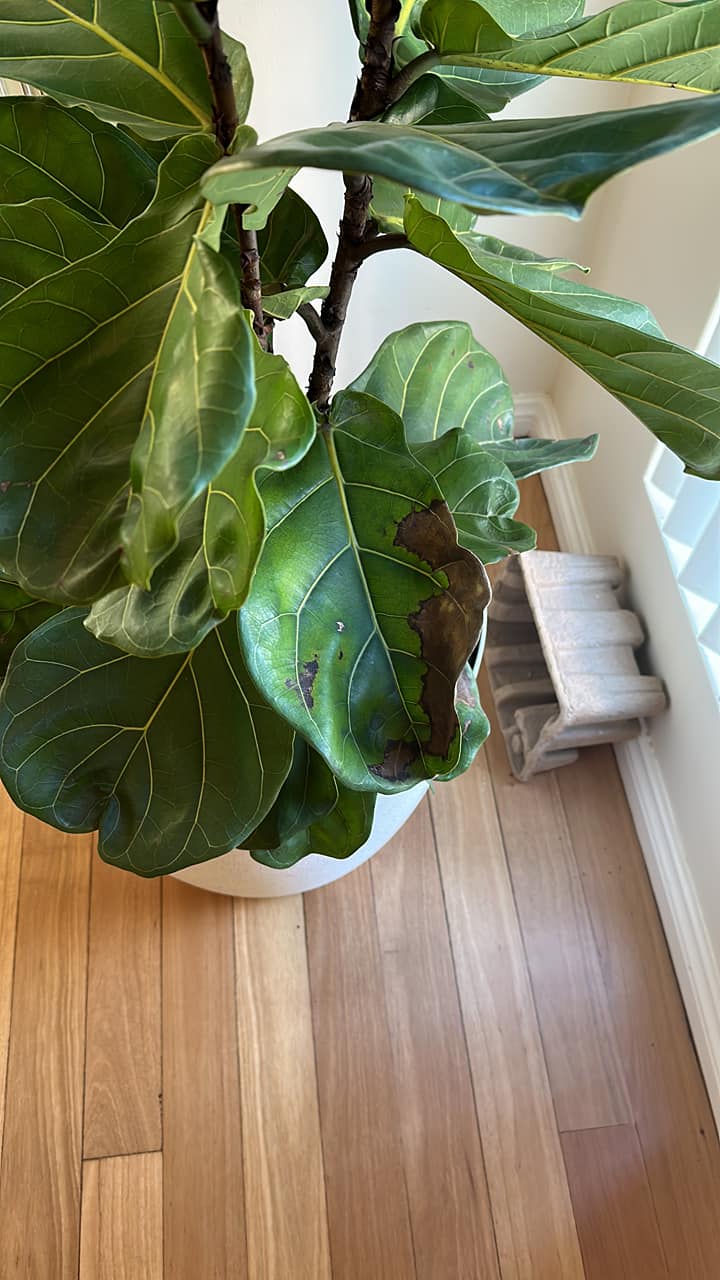
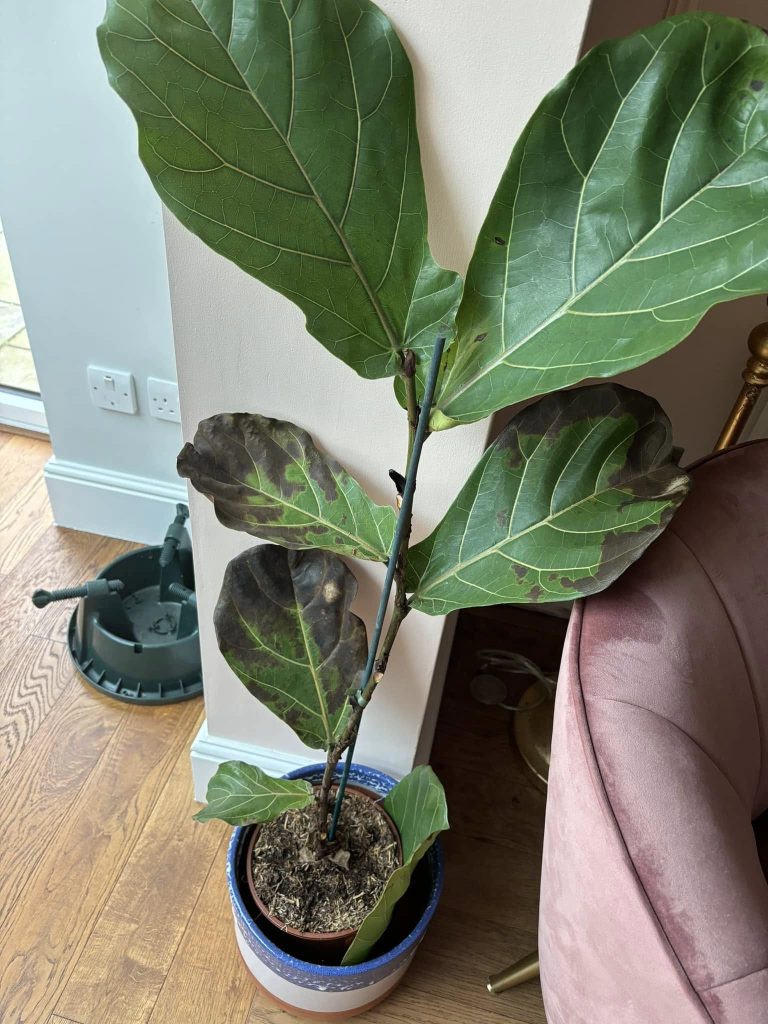
Black spots on fiddle leaf fig leaves are small to large dark patches that can appear on the upper or lower surfaces of the leaves. They might look like tiny freckles, large splotches, or even crispy, dead areas. These spots are usually a sign that something’s off with your plant’s environment or health.
When I first got Fiona, I was a plant newbie living in a small apartment. I overwatered her, placed her in a dark corner, and ignored her for weeks. The black spots were my wake-up call.
After researching and tweaking her care, I moved her to a brighter spot, adjusted my watering, and started using a humidifier. Today, Fiona’s leaves are glossy and spot-free, and she’s the centerpiece of my living room. It took patience, but seeing her thrive makes it worth it.

Common Causes of Black Spots on Fiddle Leaf Fig Leaves
Fiddle leaf figs are sensitive souls. A slight misstep in care can lead to those dreaded black spots. Here are the most common reasons they show up:
1. Overwatering: The Root of All Evil
I learned this the hard way with Fiona. Overwatering is the number one cause of black spots on fiddle leaf figs. When the soil stays too wet, the roots can’t breathe, leading to root rot. This stress shows up as black or brown spots on the leaves, often starting at the base or edges.
- Why it happens: Fiddle leaf figs hate soggy soil. Many American homes have low light in winter, slowing the plant’s water uptake, yet we keep watering like it’s summer.
- Signs: Soft, mushy roots, yellowing leaves alongside black spots, or a musty smell from the soil.
- Fix: Check the soil before watering. Stick your finger an inch deep—if it’s damp, wait. Use a pot with drainage holes and well-draining soil (like a mix of potting soil, perlite, and bark).
2. Underwatering: Too Thirsty to Thrive
On the flip side, underwatering can also cause black spots. I once forgot about Fiona for two weeks during a busy work stretch, and her leaves developed crispy, dark edges. Dehydration stresses the plant, causing leaf tissue to die.
- Why it happens: Inconsistent watering or forgetting to check the soil can leave your fiddle leaf fig parched, especially in dry American homes with forced-air heating.
- Signs: Dry, brittle leaves with black or brown edges, or leaves dropping prematurely.
- Fix: Water thoroughly when the top inch of soil feels dry. Ensure water reaches all roots but doesn’t pool in the saucer.
3. Fungal or Bacterial Infections: The Sneaky Invaders
Fungal and bacterial infections love moist environments. If you’ve been overwatering or misting your fiddle leaf fig too much, these pathogens can take hold, causing black spots.
- Why it happens: High humidity, poor air circulation, or water sitting on leaves can invite fungi like Phytophthora or bacteria like Xanthomonas.
- Signs: Spots that spread quickly, often with a yellow halo, or a slimy texture in severe cases.
- Fix: Remove affected leaves with clean scissors, improve air circulation, and avoid overhead watering. A fungicide or neem oil spray can help in severe cases.
4. Sunburn: Too Much of a Good Thing
Fiddle leaf figs love bright, indirect light, but direct sunlight can scorch their leaves. I once moved Fiona too close to a south-facing window in my Chicago apartment, and black spots appeared where the sun hit hardest.
- Why it happens: Intense sunlight, especially in southern or western U.S. states, can burn leaves, causing dark, crispy patches.
- Signs: Black or brown spots on leaves exposed to direct sun, often accompanied by fading or bleaching.
- Fix: Move your plant to a spot with filtered light, like near an east-facing window or behind a sheer curtain.
5. Nutrient Deficiencies: Hungry for Help
Fiddle leaf figs need nutrients to stay healthy. A lack of essential minerals like nitrogen or magnesium can cause black spots or yellowing.
- Why it happens: Poor soil quality or infrequent fertilizing can starve your plant, especially during the growing season (spring and summer).
- Signs: Black spots paired with yellowing leaves or stunted growth.
- Fix: Fertilize monthly during spring and summer with a balanced liquid fertilizer (like 10-10-10). Avoid over-fertilizing, which can burn roots.
6. Pests: Tiny Terrors
Pests like spider mites, scale, or mealybugs can damage leaves, leading to black spots. I once found spider mites on Fiona’s underside leaves, leaving tiny black dots and webbing.
- Why it happens: Dry indoor air in American homes, especially in winter, creates a haven for pests.
- Signs: Tiny black or brown spots, webbing, or sticky residue on leaves.
- Fix: Inspect leaves regularly. Wipe them with a damp cloth, use insecticidal soap, or apply neem oil to control infestations.
7. Physical Damage: Oops, My Bad
Sometimes, black spots come from accidental bumps or tears. I knocked Fiona over while vacuuming once, and the damaged leaves developed dark spots as they healed.
- Why it happens: Rough handling, pets, or kids can bruise leaves, leading to blackened areas.
- Signs: Spots localized to damaged areas, often irregular in shape.
- Fix: Handle your plant gently and keep it out of high-traffic areas.

Diagnosing the Problem: A Step-by-Step Guide
When black spots appear, don’t panic. Here’s how I approach diagnosing the issue:
- Check your watering habits: Is the soil soggy or bone-dry? Use a moisture meter if you’re unsure.
- Inspect lighting: Is your plant getting too much direct sun or too little light? Adjust its position.
- Look for pests: Use a magnifying glass to check leaf undersides for tiny critters.
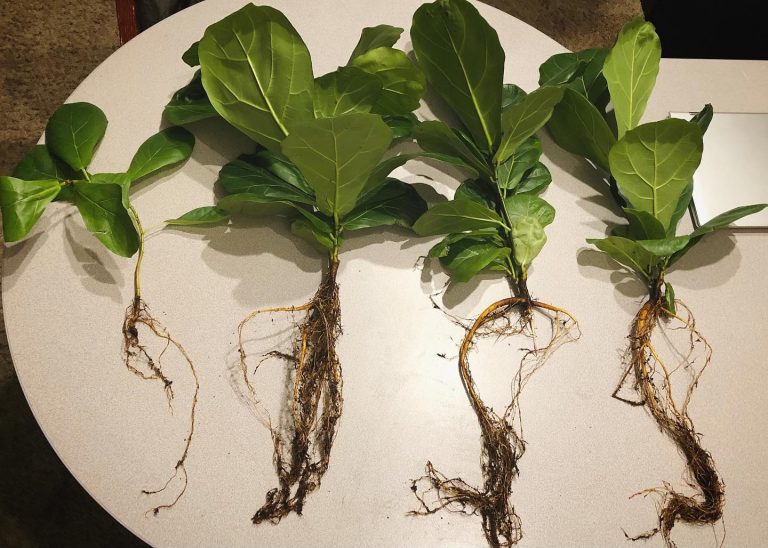
- Examine roots: Gently remove the plant from its pot to check for mushy or black roots.
- Assess humidity and airflow: Is your home too dry or stuffy? Fiddle leaf figs prefer 40-60% humidity.
- Review fertilizing: Are you feeding your plant regularly during the growing season?
Once you’ve pinpointed the cause, you can take action. Let’s explore how to fix those black spots and prevent them from coming back.
How to Fix Black Spots on Fiddle Leaf Fig Leaves
Fixing black spots depends on the cause, but here’s a detailed plan to get your fiddle leaf fig back on track:
Step 1: Prune Affected Leaves
If the spots are spreading or the leaf is mostly black, it’s best to remove it. I use clean, sharp scissors to cut the leaf at the base of the stem. This prevents the spread of disease and encourages new growth. Sterilize your scissors with rubbing alcohol between cuts to avoid spreading pathogens.
Step 2: Adjust Watering
For overwatering, let the soil dry out completely before watering again. Repot if the roots are rotting—trim away black, mushy roots and use fresh, well-draining soil. For underwatering, water thoroughly and set a consistent schedule. I water Fiona every 7-10 days in summer and every 2-3 weeks in winter, depending on my home’s conditions.
Step 3: Treat Infections
For fungal or bacterial issues, isolate your plant to prevent spreading to other houseplants. Apply a fungicide or neem oil spray, following the product instructions. Improve air circulation by placing a small fan nearby or spacing out your plants.
Step 4: Optimize Light and Humidity
Move your fiddle leaf fig to a spot with bright, indirect light. In my Chicago apartment, an east-facing window works perfectly. If your home is dry (common in American homes with central heating), use a humidifier or place a tray of pebbles with water under the pot to boost humidity.
Step 5: Control Pests
For pests, wipe leaves with a damp cloth to remove small infestations. For larger issues, spray with insecticidal soap or neem oil every 7-10 days until the pests are gone. I check Fiona’s leaves weekly to catch pests early.
Step 6: Fertilize Wisely
Feed your plant with a balanced fertilizer during the growing season. I use a diluted liquid fertilizer once a month from March to September. Skip fertilizing in fall and winter when growth slows.
Preventing Black Spots: Long-Term Care Tips
Prevention is easier than fixing black spots. Here’s how to keep your fiddle leaf fig healthy in your home:
- Water smart: Always check the soil before watering. Invest in a moisture meter for accuracy.
- Choose the right pot: Use a pot with drainage holes and a saucer to catch excess water.
- Maintain humidity: Aim for 40-60% humidity. In dry climates like Arizona or heated homes in New York, a humidifier is a game-changer.
- Rotate your plant: Rotate your fiddle leaf fig every few weeks to ensure even light exposure.
- Clean leaves: Dust can block light and attract pests. Wipe leaves monthly with a damp cloth.
- Monitor for pests: Check your plant weekly for signs of trouble.
- Avoid temperature swings: Keep your plant away from drafty windows or heating vents. Fiddle leaf figs prefer 65-75°F.
Fiddle Leaf Fig Care in American Homes
American homes vary widely in climate and conditions, from humid Florida to dry Colorado. Here’s how to tailor your fiddle leaf fig care to your region:
- Northeast (e.g., New York, Boston): Winters are cold and dry due to heating. Use a humidifier and keep your plant away from drafty windows.
- South (e.g., Texas, Florida): High humidity is great, but avoid direct sun in summer. Use sheer curtains to filter light.
- Midwest (e.g., Chicago, Minneapolis): Low light in winter can slow growth. Supplement with a grow light if needed.
- West (e.g., California, Arizona): Dry air is a challenge. Mist lightly or use a pebble tray to boost humidity.
Frequently Asked Questions (FAQs)
Q: Can black spots on fiddle leaf fig leaves spread to other plants?
A: If caused by fungal or bacterial infections, yes, they can spread. Isolate your plant and treat it promptly to prevent issues.
Q: Should I cut off leaves with black spots?
A: Yes, if the spots are spreading or the leaf is mostly affected. Use clean scissors and sterilize them between cuts.
Q: How often should I water my fiddle leaf fig?
A: Water when the top inch of soil is dry, typically every 7-14 days, depending on your home’s conditions.
Q: Can I save a fiddle leaf fig with root rot?
A: Yes, if caught early. Trim away rotted roots, repot in fresh soil, and adjust your watering habits.
Q: Are fiddle leaf figs safe for pets?
A: No, they’re toxic to cats and dogs if ingested. Keep them out of reach of pets.
Q: Why are the black spots only on the lower leaves?
A: Lower leaves often show stress first due to overwatering, poor light, or natural aging. Check your care routine.
Suggested For You:
Fiddle Leaf Fig Root Rot: Saving Your Plant From The Silent Killer
Fiddle Leaf Fig Leaves Curling? 8 Easy Fixes to Save Your Plant
Brown Spots on Fiddle Fig Leaves: Identification and Fixes
7 Reasons: Why Is My Fiddle Leaf Fig Dropping Leaves?
7 Reasons: Why Are My Fiddle Leaf Fig Leaves Turning Yellow?
Fiddle Leaf Fig Cultivation: Your Ultimate Guide to Growing This Stunning Houseplant
Final thoughts
Black spots on your fiddle leaf fig are a sign it needs a little more love. Whether it’s overwatering, pests, or too much sun, you can pinpoint the cause and take action. With the right care—proper watering, good light, and a bit of vigilance—your plant can bounce back and become the star of your home.
My journey with Fiona taught me that fiddle leaf figs are forgiving if you listen to their needs. So, roll up your sleeves, grab those pruning shears, and give your plant the love it deserves.
References
- The Spruce. (2023). “How to Care for a Fiddle Leaf Fig.” https://www.thespruce.com/grow-fiddle-leaf-fig-indoors-1902756
- Missouri Botanical Garden. (2023). “Ficus lyrata Plant Care.” http://www.missouribotanicalgarden.org/PlantFinder/PlantFinderDetails.aspx?taxonid=282754

Tim M Dave is a gardening expert with a passion for houseplants, particularly cacti and succulents. With a degree in plant biology from the University of California, Berkeley, he has vast experience in gardening. Over the years, he has cultivated a vast collection of desert plants and learned a great deal about how to grow and care for these unique companions.