Understanding Bare Root Fruit Trees: When and How to Plant Them
There is something quietly satisfying about holding a bare root fruit tree in your hands. No pot, no soil, no fuss — just a dormant plant with roots exposed, ready to begin a new life in your garden. For many home growers, it feels almost too simple.
Surely something this bare cannot grow into a productive, fruit-bearing tree? It can. And when planted correctly, it often outperforms its container-grown counterparts within just a few seasons.
This guide covers everything you need to know — from what bare root fruit trees actually are, to how to plant, care for, and troubleshoot them with confidence.
What Are Bare Root Fruit Trees?
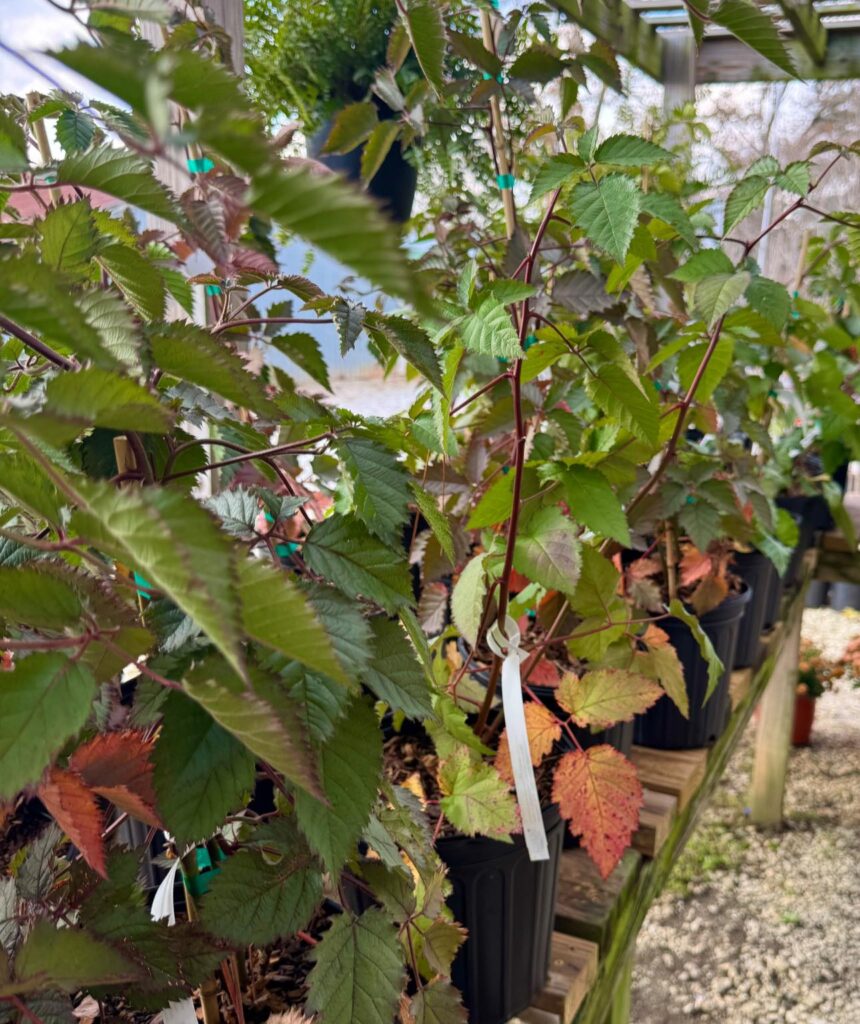
Bare root fruit trees are trees sold without soil around their roots. They are typically harvested from nursery fields during the dormant season — late autumn through early spring — when the tree has shed its leaves and slowed its internal activity.
At this stage, the roots are washed or shaken clean of soil, and the tree is sold or shipped in a lightweight, rootexposed state. This is not damage. It is a deliberate and well-established practice in horticulture.
Most commonly, you will find bare root versions of:
- Apples and crabapples
- Pears and Asian pears
- Plums and damsons
- Cherries (sweet and sour)
- Peaches and nectarines
- Quinces
- Figs
The practice dates back centuries and remains one of the most reliable ways to establish a fruit tree quickly and economically.
Why Choose Bare Root Over Container-Grown?
This is a fair question. Garden centres are full of container-grown fruit trees available year-round. Why go to the trouble of sourcing bare root stock?
The reasons are more compelling than most people expect.
1. Lower cost. Bare root trees are significantly cheaper than container-grown alternatives — sometimes by 50% or more. Without the weight of soil and the cost of a pot, production and shipping costs drop considerably.
2. Wider variety selection. Specialist fruit nurseries offer a far greater range of rootstocks, cultivars, and trained forms in bare root. If you want a specific variety of heritage apple or a particular fan-trained plum, bare root is often your only option.
3. Better establishment. This surprises many people. A bare root tree, planted in the dormant season, has the entire cold period to gently develop root connections with the surrounding soil — before it even needs to push out leaves or fruit. Research consistently shows that bare root trees establish faster and experience less transplant shock than container-grown trees planted at the same time.
4. Healthier root structure. Container trees can develop circling or pot-bound roots over time. Bare root trees, freshly lifted from a field, tend to have straighter, more naturally spread root systems.
5. Ease of planting. There is no heavy pot to wrestle with. No root ball to keep intact. The tree is lightweight, easy to handle, and straightforward to position.
When to Plant Bare Root Fruit Trees
Timing is one of the most important factors in successful bare root planting.
The planting window runs roughly from November to March in most temperate climates, depending on your location and the severity of winter. The key requirement is that the ground must not be frozen solid or waterlogged.
In the United States, this broadly corresponds to USDA hardiness zones 4 through 9, with the window shifting slightly earlier in warmer southern regions and later in colder northern ones.
The ideal time is when the tree is fully dormant but the soil is still workable. In practice, late November to late February is the sweet spot for most regions in the UK, northern Europe, and the mid-Atlantic to Pacific Northwest states of the US.
If you receive your bare root tree and the ground is temporarily frozen or very wet, do not panic. You can “heel in” the tree — a technique explained later — until conditions improve.
Choosing the Right Tree
Before you plant anything, take time to choose the right tree for your space, soil, and climate. This step is too often skipped, and it is the source of much future frustration.
Rootstock Matters More Than Most Gardeners Realise
Bare root fruit trees are almost always grafted. The top portion (the scion) is the named variety you want — Cox’s Orange Pippin, Victoria plum, Conference pear. The bottom portion (the rootstock) controls the size of the mature tree and how quickly it bears fruit.
Common apple rootstocks and their uses:
| Rootstock | Tree Size | Years to First Fruit | Best For |
| M27 | Very dwarf (1.5–2m) | 2–3 years | Containers, small gardens |
| M9 | Dwarf (2–3m) | 2–3 years | Small gardens, intensive orchards |
| M26 | Semi-dwarf (2.5–3.5m) | 3–4 years | Average gardens |
| MM106 | Semi-vigorous (4–5m) | 4–5 years | Larger gardens, trained forms |
| MM111 | Vigorous (5–7m) | 5–6 years | Large orchards, poor soils |
For plums, Pixy is a dwarfing rootstock, while St Julien A is semi-vigorous. For pears, Quince A and Quince C are the standard choices, with Quince C producing a smaller tree.
Pollination Requirements
Many fruit trees require a compatible pollination partner nearby to set fruit reliably. Apples, pears, and sweet cherries are typically self-infertile, meaning they need another variety flowering at the same time for pollination to occur.
Before buying, check whether your chosen variety is self-fertile or requires a partner. If space is limited, look for self-fertile varieties like the apple ‘Falstaff’ or the cherry ‘Stella’.
How to Prepare for Planting
Site Selection
Fruit trees generally need:
- A minimum of 6–8 hours of direct sunlight per day
- Good air circulation to reduce fungal disease risk
- Protection from cold, drying winds (especially for blossom in spring)
- Fertile, well-drained soil with a pH of 6.0–6.8
Avoid frost pockets — low-lying areas where cold air settles on still nights. Spring frost is one of the most common causes of crop failure in fruit trees, and planting on a gentle slope allows cold air to drain away.
Soil Preparation
Dig the planting area thoroughly. You are not just preparing a hole — you are preparing the surrounding area so that roots can spread easily into the wider soil.
Break up compacted subsoil with a fork. Remove large stones, perennial weeds, and old root material. Incorporate organic matter — well-rotted garden compost or manure — into the top 30–40 cm of soil if the ground is poor or sandy.
Do not add fertiliser directly into the planting hole. High nitrogen at the roots during establishment can damage delicate new root growth.
Checking and Storing Bare Root Trees on Arrival
When your tree arrives, examine it promptly.
Healthy roots should be:
- Firm and slightly flexible, not brittle
- Pale or cream-coloured when nicked with a fingernail
- Moist but not rotten or slimy
If the roots are very dry, soak them in a bucket of water for 1–2 hours before planting. Do not soak for more than 24 hours, as this can deprive roots of oxygen.
If you cannot plant immediately, heel the tree in. This means digging a shallow trench in a sheltered spot, laying the tree at an angle, and covering the roots loosely with moist soil. Trees can remain heeled in for several weeks without harm.
Step-by-Step Planting Instructions
Step 1: Dig the Right Hole
Dig a hole wide enough to accommodate all the roots without bending or folding them — this is usually about 60–90 cm wide. The depth should position the graft union (the slightly swollen joint near the base of the trunk) approximately 5–10 cm above the final soil level.
Planting too deep is one of the most common and most damaging mistakes. If the graft union is buried, the scion can form its own roots, effectively bypassing the rootstock and producing a much larger tree than intended.
Step 2: Improve the Planting Zone
If not done already, fork over the base and sides of the hole to loosen compaction. Mix a bucketful of well-rotted compost into the excavated soil. You can also add a small amount of mycorrhizal fungi powder (available from garden centres) to the roots just before planting — research supports this as beneficial for establishment.
Step 3: Position the Tree
Place a cane or straight stake across the top of the hole to gauge depth. Hold the tree in position and confirm the graft union will sit above the soil surface.
Spread the roots out naturally. Do not force them into a cramped position. If one long root extends beyond the hole, extend the hole rather than bending the root.
Step 4: Backfill Carefully
Begin filling in around the roots with the improved soil, working it gently between and under the roots to eliminate air pockets. Firm lightly as you go — enough to support the tree, but not so hard that you compact the soil and restrict drainage.
When the hole is half full, water gently to settle the soil. Then continue backfilling to the surface.
Step 5: Firm and Water
Once fully backfilled, firm the soil around the base with your heel. Create a slight shallow dish shape around the base to help direct water toward the roots rather than away from them.
Water the tree thoroughly — approximately 10–15 litres — even if the soil feels moist. This is critical for settling the soil and initiating root-to-soil contact.
Step 6: Stake if Necessary
Dwarf and semi-dwarf trees on dwarfing rootstocks (M9, M27, Pixy) need permanent staking throughout their lives, as their root systems are not strong enough to fully anchor the tree.
Use a short stake (no taller than one-third the height of the tree) driven into the ground at a 45-degree angle, away from the prevailing wind. This allows the trunk to flex slightly, which encourages stronger wood development.
Attach the tree with a proper rubber tree tie — never wire or string, which can cut into the bark as the trunk expands.
Step 7: Mulch
Apply a 5–7 cm layer of organic mulch — wood chippings, bark, or well-rotted compost — in a circle 60–90 cm around the base of the tree.
Keep mulch away from direct contact with the trunk. A gap of at least 10 cm between the mulch and the bark prevents rot and discourages rodent nesting against the stem.
Mulch conserves moisture, suppresses weeds, and regulates soil temperature — all critical during the establishment year.
First-Year Care
The first growing season is the most critical for a newly planted bare root tree. The aim is simple: encourage root establishment above all else.
Watering
Do not assume rainfall will be sufficient. During dry spells in spring and summer, water deeply every 7–10 days rather than little and often. Deep watering encourages roots to grow downward in search of moisture, which builds a more resilient tree.
A good rule of thumb: the tree needs about 25–30 litres of water per week during dry weather in its first summer.
Feeding
In the first season, hold back on heavy feeding. A light application of a balanced fertiliser in early spring — or a top dressing of compost — is sufficient.
From year two, a spring application of a high-potassium fertiliser (such as sulphate of potash) promotes fruit development. Avoid excessive nitrogen, which drives leafy growth at the expense of fruit.
Formative Pruning
Most bare root fruit trees benefit from formative pruning in their first few years. This shapes the structure of the tree, ensures good light penetration, and reduces the risk of weak branch angles that can split under the weight of fruit later.
General first-year pruning principles:
- Remove crossing branches
- Remove any dead, diseased, or damaged wood
- On a young maiden tree, shorten the central leader by about one-third to encourage lateral branching
- Aim for an open structure with 3–5 well-spaced main branches
Timing matters. Prune apples and pears during dormancy (winter). Prune stone fruits — cherries, plums, peaches — in late spring or early summer when the risk of silver leaf fungal infection is lower.
Fruit Thinning
In the first year or two of planting, remove all developing fruits in early summer. This is frustrating, but it is one of the best investments you can make. Allowing young trees to fruit early diverts energy away from root and branch development, weakening the long-term structure of the tree.
From year three onwards, allow fruit to develop normally — and thin heavy crops to one fruit per cluster to encourage larger, better-quality produce.
Common Problems and Solutions
Poor Establishment or Wilting Leaves
Usually caused by insufficient watering or planting too deep. Check the graft union position and increase watering frequency during dry weather.
Canker and Bark Splitting
Bacterial or fungal canker can affect apples and pears, particularly in heavy clay soils with poor drainage. Improve drainage around the tree, cut out infected wood to healthy tissue, and treat with a wound sealant.
Aphid and Pest Damage
Expect some pest pressure in any garden. Aphids, woolly aphids, and codling moth are common on apple trees. Encourage natural predators (blue tits, ladybirds, hoverflies) by providing habitat nearby. Use sticky grease bands around the trunk in autumn to trap winter moths.
No Fruit After Several Years
This is most commonly a pollination problem. Check that a compatible pollinator is nearby. It may also indicate that the soil is too nitrogen-rich — producing vigorous green growth but no fruit.
Bare Root Fruit Trees in Small Gardens
Limited space is no longer a barrier to growing fruit trees. Modern dwarfing rootstocks and trained forms have transformed what is possible in a small garden — or even on a patio.
Espalier trees, trained flat against a wall or fence in a formal horizontal tier pattern, can produce remarkable yields in a narrow strip just 60 cm deep. They are also highly decorative throughout the year.
Fan-trained trees are ideal for walls — particularly warm, south- or west-facing walls — and suit peaches, nectarines, apricots, and cherries especially well.
Cordon trees are single-stemmed plants grown at an angle, allowing 3–4 trees to be planted in the space a standard tree would occupy. They are excellent for growing multiple apple or pear varieties within a small footprint.
All of these forms are widely available as bare root stock from specialist nurseries and, with patient and consistent pruning, can be long-lived and highly productive.
Environmental and Economic Benefits
Planting a bare root fruit tree is, in a modest but real way, an environmental act.
Trees sequester carbon, support biodiversity, provide habitat for insects and birds, and contribute to cleaner air and cooler urban temperatures. A mature fruit tree can support hundreds of invertebrate species, and the blossom provides an early and critical food source for pollinators.
From an economic standpoint, a well-managed fruit tree can produce significant yields for decades. A mature apple tree on a semi-vigorous rootstock might yield 50–150 kg of fruit per year. At current supermarket prices, that represents meaningful value — and fruit of a quality that is simply unavailable in most shops.
The initial investment in a bare root fruit tree is modest. The long-term return, in fruit, beauty, wildlife value, and personal satisfaction, is considerable.
Suggested For You:
Understanding Types of Strawberries: Varieties, Flavors, and Which One to Grow
You Can Grow Strawberries from a Strawberry — Here Is Exactly How to Do It
From Patio to Harvest: The Best Strawberry Pot Planting Ideas That Actually Work
15 Easy Vegetables to Plant in Early Spring: Get a Head Start on the Growing Season
15 Best Flowers for Pollinators: (Bees, Butterflies, Moths, Hummingbirds and More)
Summary: Key Points to Remember
- Buy during dormancy — the window is November to March in most temperate climates
- Check rootstock before buying — it determines the final size of your tree
- Plant at the right depth — the graft union must sit above soil level
- Spread roots naturally — never bend or fold them into the hole
- Water deeply and consistently in the first season
- Stake dwarfing rootstocks permanently — they need the support
- Mulch generously but keep it away from the trunk
- Remove fruit in year one to invest energy in root development
- Prune with purpose — formative pruning in early years builds a strong, productive framework
Bare root fruit trees reward patience and care in equal measure. Plant them thoughtfully this season, and you will very likely be harvesting from them for the rest of your life.
References
- University of California Agriculture and Natural Resources — Fruit Trees: Planting and Care of Young Trees https://anrcatalog.ucanr.edu/pdf/8048.pdf
- Penn State Extension — Tree Fruit Production Guide: Planting and Establishment https://extension.psu.edu/fruit-production
- Oregon State University Extension Service — Growing Tree Fruits and Nuts in the Home Garden https://catalog.extension.oregonstate.edu/ec819
- University of Minnesota Extension — Selecting and Planting Fruit Trees https://extension.umn.edu/fruit/selecting-and-planting-fruit-trees
- Cornell University College of Agriculture and Life Sciences — Tree Fruit Production Recommendations https://store.cornell.edu/product-details/2025-cornell-fruit-resources-tree-fruit

Tim M Dave is a gardening expert with a passion for houseplants, particularly cacti and succulents. With a degree in plant biology from the University of California, Berkeley, he has vast experience in gardening. Over the years, he has cultivated a vast collection of desert plants and learned a great deal about how to grow and care for these unique companions.