Understanding Autumnalis Cherry (Prunus subhirtella ‘Autumnalis’): History, Features, Problems and Care Details
Most flowering trees ask you to wait for spring. The Autumnalis Cherry does not. When autumn deepens and the last leaves fall, when the garden settles into its long grey quiet, this tree does something that no other ornamental cherry will do: it opens its flowers.
Pale pink blossoms appear on bare branches in November, December, and January — sometimes through light frost — at the exact moment when flowering plants have become a memory rather than an expectation.
I have stood in front of a blooming Autumnalis Cherry in mid-December and felt something close to disbelief. A flowering tree in winter is genuinely surprising, even when you know to expect it. It is one of those rare plants that consistently delivers more than it promises.
This guide covers the Autumnalis Cherry in full — its origins, characteristics, growing requirements, care practices, landscape uses, and the unique seasonal role that makes it unlike any other ornamental tree in the temperate garden.
What Is the Autumnalis Cherry?
Autumnalis Cherry, Prunus subhirtella ‘Autumnalis’, is a deciduous ornamental flowering tree and one of the most remarkable members of the ornamental cherry family. Its common names — Autumn Cherry, Winter-Flowering Cherry, and Higan Cherry ‘Autumnalis’ — all point to its defining quality: it blooms during autumn and winter, not in spring.
It belongs to the species Prunus subhirtella, the Higan Cherry, which is native to Japan. Within this species, ‘Autumnalis’ is the cultivar selected specifically for its extended, off-season blooming habit — a trait that makes it genuinely unique among commonly cultivated ornamental trees.
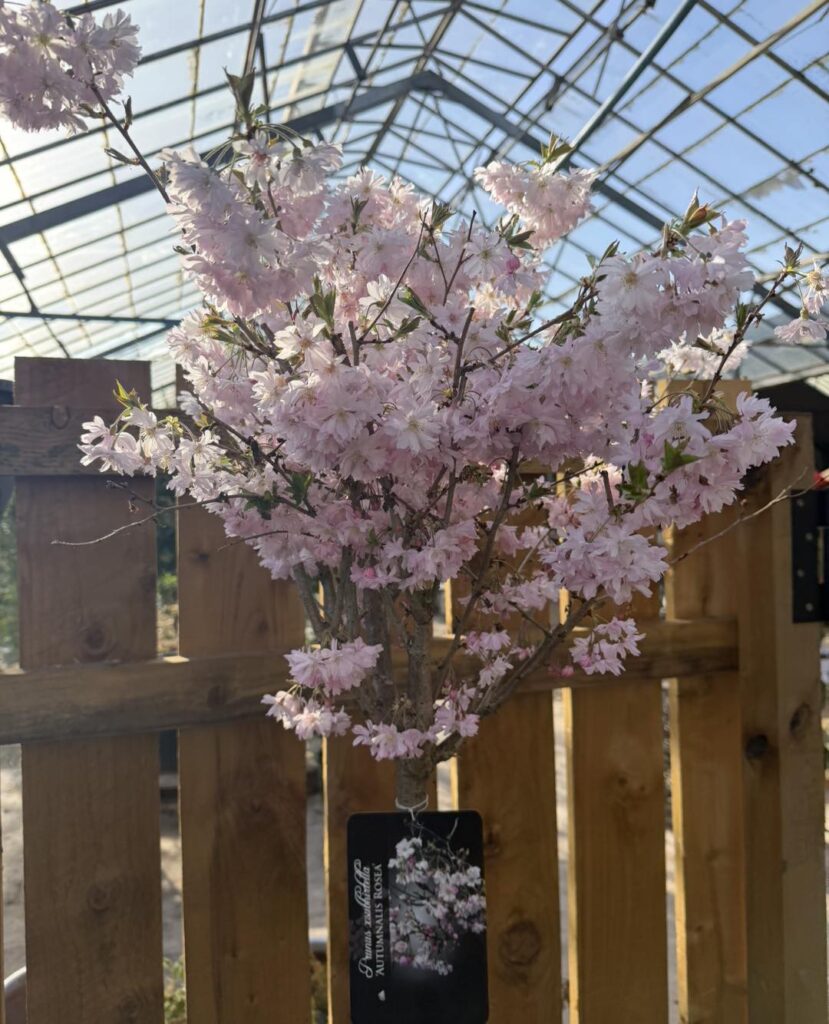
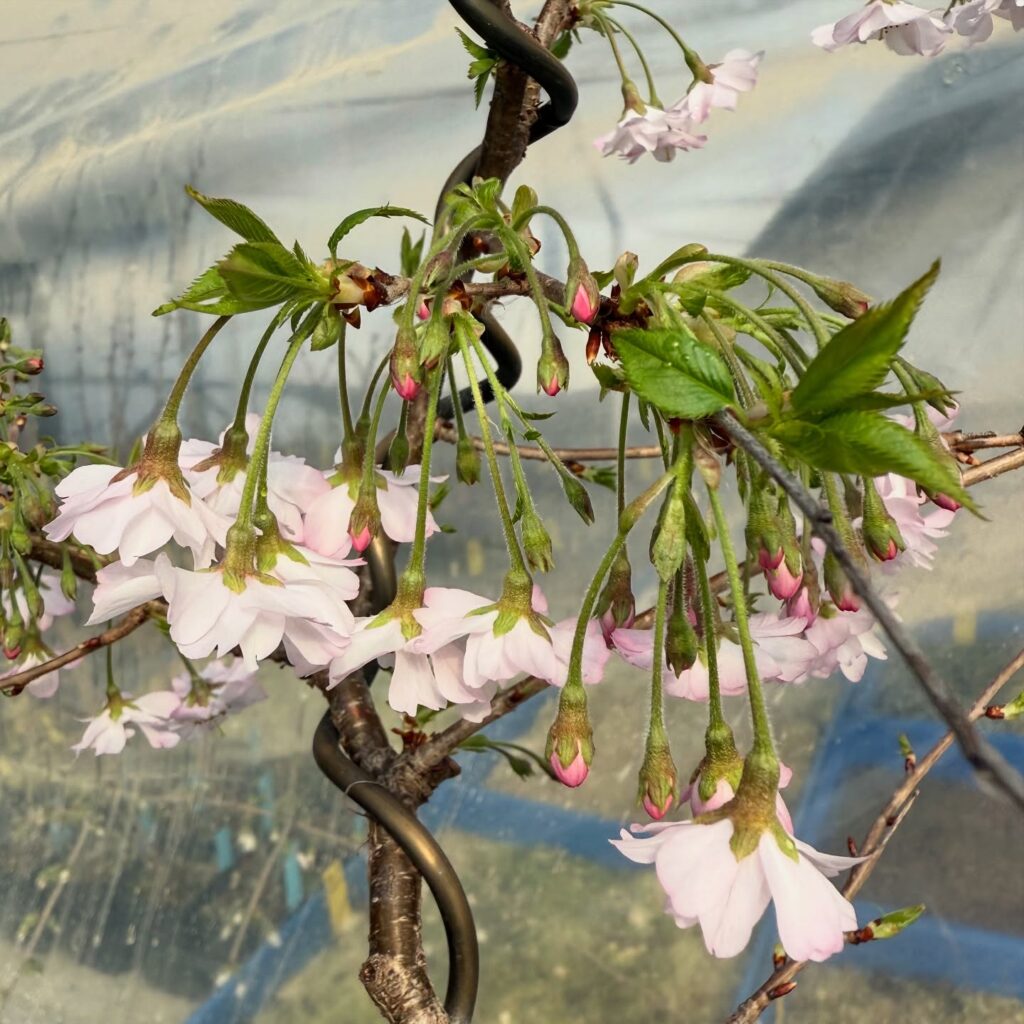
The flowers are semi-double, pale blush-pink, and carried in small clusters along bare branches. They are not as densely spectacular as a full-flush spring cherry in peak bloom. But that is not the point. The point is when they appear — during the months when almost no other garden tree is flowering at all.
A closely related cultivar, ‘Autumnalis Rosea’, produces deeper pink flowers and is otherwise very similar in habit and performance. Both are widely available and equally valuable.
Key Characteristics at a Glance
Mature Height: 20 to 25 feet (6 to 7.5 metres) in most landscape settings.
Mature Spread: 15 to 25 feet (4.5 to 7.5 metres), forming a broadly rounded, spreading canopy.
Growth Rate: Moderate — typically 13 to 24 inches of new growth per year.
Primary Bloom Time: Autumn to winter — typically November through February in most temperate climates. Flowers open during mild spells and may pause during hard frosts, then resume when temperatures rise.
Secondary Bloom Time: A second, often more prolific flush occurs in early spring — typically March to April — in keeping with the broader Higan Cherry flowering season.
Flower Colour: Pale blush-pink to white on ‘Autumnalis’; deeper rose-pink on ‘Autumnalis Rosea’. Semi-double flowers with approximately ten petals each.
Foliage: Small to medium, oval, dark green leaves with serrated margins. Autumn leaf colour is a warm bronze-yellow before the leaves drop, usually in October or November — just as the first flowers begin to open on the bare branches.
Bark: Smooth, grey-brown to reddish-brown with horizontal lenticels — handsome and distinctive in the winter garden.
USDA Hardiness Zones: 4 to 8, offering strong adaptability across a wide range of temperate climates.
Lifespan: Typically 20 to 40 years under good conditions — somewhat longer than many ornamental Japanese cherries.
Origins and Discovery
Prunus subhirtella has a long history of cultivation in Japan, where it has been grown in temple gardens, along roadsides, and in private landscapes for centuries. The Higan Cherry takes its name from the Japanese Buddhist festival of Ohigan, celebrated at the spring and autumn equinoxes — seasons during which the tree traditionally blooms.
The ‘Autumnalis’ cultivar was likely selected in Japan for its off-season blooming habit, then introduced to Western horticulture in the late 19th or early 20th century. It gained popularity in Britain first — the cool, mild British climate proved near-ideal for winter cherry flowering — and from there spread to gardens across Europe and North America.
The Royal Horticultural Society awarded it the prestigious Award of Garden Merit, recognising its consistent and outstanding performance across a range of temperate garden conditions. This is a meaningful endorsement: the RHS Award of Garden Merit is given only to plants that perform reliably and require no specialist care.
In Britain particularly, the Autumnalis Cherry has become a beloved fixture in winter gardens. Its appearance in November and December, against grey skies and bare hedges, has a cultural warmth that goes beyond mere horticulture.
The Blooming Behaviour: Understanding How It Works
The Autumnalis Cherry’s unusual blooming pattern deserves careful explanation, because it behaves differently from every other cherry in your garden.
It does not bloom all at once. Unlike spring-flowering cherries that produce a single, brief, spectacular flush, the Autumnalis Cherry opens flowers gradually and intermittently across a period of three to five months. Mild spells trigger flowering; cold snaps pause it. When temperatures rise again, more buds open.
The flowers are frost-tolerant to a degree. Open flowers can survive brief, light frosts without damage. Harder or prolonged freezes will brown and kill open blossoms, but more buds will open during the next mild period. The tree does not exhaust its flowering potential in one event — it holds flower buds in reserve across the entire autumn-winter season.
The spring flush is often more prolific. The winter blooms are precious precisely because of their timing, but the spring display — when all remaining buds open simultaneously in the warmer days of March and April — is typically denser and more visually abundant.
The practical implication is that you rarely see this tree in its full flowering potential at any single moment. Instead, you see it in stages — a few clusters here, a branch fully open there — which creates an intimate, ongoing relationship with the tree across the whole of autumn and winter.
This behaviour is particularly well-suited to cut flower use: branches cut in midwinter and brought indoors into a warm room will open their buds over several days, providing fresh flowering cherry branches as a winter arrangement when outdoor garden flowers are essentially absent.
Why Choose Autumnalis Cherry?
The case for this tree begins with the question: what else flowers in your garden in December?
For most temperate gardeners, the honest answer is very little. Hellebores and winter aconites at ground level, perhaps. A witch hazel if you have one. A handful of winter-flowering shrubs. The Autumnalis Cherry fills the vertical layer — the flowering tree layer — at a time of year when that layer is otherwise completely empty.
It provides two seasons of bloom. Autumn-winter flowers and a spring flush together give this tree more total flowering time than almost any other ornamental cherry. For gardeners who prioritise seasonal interest and long ornamental periods, it is difficult to beat.
It offers exceptional winter garden value. The combination of flowers on bare branches, warm-toned bark, and architectural branch structure makes it a genuinely outstanding winter garden tree — not just a spring tree that happens to also flower in winter.
It works for cutting. Few garden trees produce useful cut material in winter. Autumnalis Cherry does. Branches brought inside in December or January will continue to open buds in the warmth — a living reminder of spring in the heart of winter.
It is reliably hardy. Zone 4 hardiness means it performs in climates that exclude many other ornamental cherries. The winter-blooming habit does not indicate tenderness — the tree is a robust, cold-hardy plant that happens to bloom at an unusual time.
Ideal Growing Conditions
Sunlight
Full sun is strongly preferred. Autumnalis Cherry performs best with six to eight or more hours of direct sunlight daily. In full sun, flowering is most prolific, the canopy develops a strong rounded form, and disease pressure is minimised.
Partial shade will reduce flowering, particularly the winter blooms which depend on the tree accumulating sufficient energy reserves in summer. A shaded Autumnalis Cherry blooms less, and the winter display — already subtle compared to a full spring flush — becomes even more sparse.
Soil
Prefers moist, well-drained, moderately fertile soil with a slightly acidic to neutral pH (5.5 to 7.0). It adapts to loam, sandy loam, and moderately well-drained clay but struggles in waterlogged, compacted, or persistently wet soils.
Root rot is the primary soil-related threat. Ensure the planting site drains freely after rain. If water stands for more than 24 hours after heavy rain, improve drainage before planting or select a better-drained position.
Water
Consistent moisture during establishment — the first two to three growing seasons — supports rapid root development and reduces transplant stress. Water deeply and infrequently to encourage deep root establishment.
Once established, the tree has moderate drought tolerance. Good summer moisture is particularly important for the Autumnalis Cherry, however, because it is during summer that the tree forms the flower buds that will open in autumn and winter. A drought-stressed tree entering autumn may produce fewer winter flowers as a result.
Climate
Hardy in USDA Zones 4 to 8. The tree performs well across a broad temperate range. The maritime climate of the British Isles and coastal Western Europe is arguably ideal — mild, damp winters with frequent mild spells provide perfect conditions for the intermittent winter blooming pattern.
In climates with severe, prolonged winters (Zone 4 and 5), winter blooms may be more restricted and the spring flush more dominant. In milder winter climates (Zones 7 and 8), the winter display can be extended and generous.
Planting Instructions
Best planting time: Early spring before bud break, or autumn after leaf drop. Container-grown trees can be planted at any point in the growing season with adequate post-planting irrigation.
Planting hole: Dig a hole two to three times wider than the root ball but no deeper than the root ball’s height. The root flare — where the trunk base widens — must sit at or very slightly above the surrounding soil grade. Deep planting is one of the most common mistakes made with ornamental cherries and one of the most damaging to long-term health.
Backfill: Use original excavated soil without added fertiliser or rich compost in the planting hole. This encourages the roots to expand outward into native soil rather than staying within an enriched zone.
Mulching: Apply 2 to 3 inches of organic mulch over the root zone. Keep mulch at least 6 inches away from the trunk — mulch against bark retains moisture, encourages crown rot, and provides shelter for pests.
Watering: Water thoroughly immediately after planting. Maintain consistent soil moisture through the entire first growing season.
Fertilisation
Autumnalis Cherry does not require heavy or frequent feeding. In reasonably fertile garden soil, a single spring application of balanced slow-release fertiliser is usually sufficient. Use a 10-10-10 formulation or dedicated tree and shrub product at label-recommended rates.
Avoid high-nitrogen fertilisers, which encourage excessive leafy growth at the expense of flowers and increase susceptibility to aphids and fungal diseases.
Adequate summer nutrition supports the formation of the flower buds that will open in autumn and winter — so while over-feeding is counterproductive, a genuinely deficient tree may benefit from a late-spring feed that supports summer energy reserves.
Pruning
Autumnalis Cherry has a naturally graceful, rounded form and requires minimal pruning when given adequate space to develop.
Pruning timing is slightly different from standard ornamental cherries, given the unusual bloom pattern. The most practical approach is to prune in late spring, after the secondary spring flush has finished — typically May or early June. This avoids removing winter buds (which have already flowered), preserves the current year’s spring flowers, and allows new growth to develop and set next winter’s flower buds through the summer.
Avoid pruning in autumn or early winter, which would remove the flower buds that are either already open or about to open.
Standard pruning objectives apply: remove dead, damaged, and diseased wood; thin crossing branches; maintain airflow through the canopy. Cuts should be made cleanly just outside the branch collar.
Do not heavily prune or top the tree. Large wounds on ornamental cherries heal slowly and are prime entry points for fungal pathogens and borers.
Pests and Diseases
Autumnalis Cherry shares the vulnerability profile of Prunus subhirtella generally, with a few specific considerations related to its winter bloom period.
Common Pests
Aphids cluster on new spring growth and can cause leaf distortion and sticky residue. Natural predators, insecticidal soap, or strong water sprays manage most infestations.
Tent caterpillars build communal nests in branch forks in spring and can defoliate sections of the canopy. Remove nests manually or treat with Bacillus thuringiensis (Bt) while caterpillars are young.
Peach tree borers target stressed trees, entering through bark wounds near the base. Maintaining tree vigour and avoiding trunk damage is the most effective prevention.
Common Diseases
Brown rot blossom blight (Monilinia spp.) is a particular concern for the Autumnalis Cherry because its winter and early spring flowers open in cool, damp conditions — exactly the environment in which this fungus thrives. Open flowers brown and collapse rapidly during wet periods. Good air circulation is the single most important preventive measure. Avoid planting in enclosed or poorly ventilated positions. Fungicide applications at bud swell during the spring flush can reduce impact in high-pressure years.
Bacterial canker (Pseudomonas syringae) is also more problematic in cool, wet conditions — relevant given that this tree is actively growing and flowering during the wetter months. Prune in dry weather, sterilise tools, and protect bark from injury.
Black knot (Apiosporina morbosa) produces hard black galls on branches. Remove infected wood promptly, cutting at least 4 inches below visible symptoms.
Silver leaf disease (Chondrostereum purpureum) enters through wounds and causes progressive dieback. Prune only during dry weather and seal large wounds to reduce infection risk.
Landscape Uses and Design Applications
The Autumnalis Cherry’s most valuable landscape attribute is its seasonal timing. Design with this in mind.
As a winter garden specimen, it is without peer among ornamental trees. Position it where it is visible from the most-used interior rooms of the house — a window overlooking the garden, a door to a terrace or patio. Seeing it flower through a window in December is one of the genuinely restorative pleasures of a well-designed winter garden.
Near paths and garden entrances, the winter flowers reward close observation and catch visitors by surprise during the months when garden visits are infrequent. The mild fragrance of the open blossoms is an additional reward at close range.
In combination with other winter-interest plants — Hamamelis (witch hazel), Helleborus (hellebore), Mahonia, Lonicera fragrantissima (winter-flowering honeysuckle), and winter-flowering Viburnum — the Autumnalis Cherry forms the tree-layer component of a thoughtfully designed winter garden planting.
As a cut flower source, position it within easy access of the house. A few branches cut in midwinter and placed in a warm room will open their buds over days, providing fresh cherry blossom indoors at a time when cut flowers are expensive and garden-grown material is essentially unavailable.
In spring planting combinations, the secondary spring flush works beautifully with early bulbs — pale narcissus, white or pink tulips, blue muscari — creating a layered spring display that builds on the tree’s ongoing seasonal contribution.
Seasonal Calendar
October–November: Foliage turns bronze-yellow and begins to drop. First flower buds begin to show colour. Early blooms open during mild spells.
December–January: Peak winter flowering, dependent on weather. Mild days trigger bud opening; cold periods pause it. The combination of a few open flowers on bare branches against winter light is the tree’s most distinctive and memorable effect.
February–March: Flowering continues intermittently. As temperatures gradually rise, more buds open in a transitional period between the winter and spring flushes.
April–May: The full spring flush — often the most prolific display of the year — opens as temperatures consistently rise. This bloom is denser and more uniform than the intermittent winter flowering.
June–September: Full summer foliage. Dark, small cherries ripen and feed birds. The tree builds energy and sets next winter’s flower buds.
Frequently Asked Questions
Will the winter flowers survive frost? Light frost — temperatures briefly dipping just below 32°F (0°C) — will not seriously damage open flowers. Harder or prolonged freezes will brown open blossoms, but new buds will open during the next mild period. The tree retains reserved buds throughout the winter season.
Why is my Autumnalis Cherry not blooming in winter? The most common causes are insufficient sunlight (shaded trees bloom less), drought stress in the previous summer (affecting bud formation), or a particularly cold autumn that keeps buds dormant. In Zone 4 and 5 gardens, winter blooming is often minimal, with the main display in spring.
Is it the same as the Weeping Higan Cherry? No. Both belong to Prunus subhirtella, but ‘Autumnalis’ has an upright, rounded habit — not a weeping form. The weeping habit is characteristic of Prunus subhirtella ‘Pendula’, which is a separate cultivar. ‘Autumnalis’ can sometimes be found as a weeping form (grafted on a standard), but the standard upright tree is more common.
When is the best time to cut branches for indoor use? Cut branches when you can see swollen buds about to open — typically during a mild spell in December or January. Place in a vase of water in a warm room and the buds will open within a few days.
Suggested For You:
Understanding Umineko Cherry (Prunus ‘Umineko’): History, Features, Cultivation, Problems and More
Understanding Wild Cherry (Prunus avium): History, Features, Problems and More
Understanding Shogetsu Cherry (Prunus serrulata ‘Shogetsu’): History, Features, Problems, and More
Understanding Sargent Cherry (Prunus sargentii): History, Features, Problems and More
Final Thoughts
The Autumnalis Cherry holds a place in the garden calendar that no other ornamental tree occupies. It is not competing with the drama of spring. It is filling the months when that drama is entirely absent — when the gardening year has closed, when most trees are bare structures rather than living displays, and when a few clusters of pale pink flowers on bare winter branches feel, genuinely, like a gift.
For the gardener who thinks carefully about the full year — not just the months between April and September — the Autumnalis Cherry is an essential tree. It bridges the gap between the last autumn colour and the first spring bulbs with something flowering, living, and beautiful.
Plant it where you will see it in December. Give it full sun, decent drainage, and the space to develop its natural rounded form. It will reward you across every season, and most memorably in the ones when you least expect it.
References
- North Carolina State University Extension – Prunus subhirtella ‘Autumnalis’ Plant Profile https://plants.ces.ncsu.edu/plants/prunus-subhirtella/
- University of Connecticut Plant Database – Prunus subhirtella https://hort.uconn.edu/detail.php?pid=295
- Arnold Arboretum of Harvard University – Cherry Collection and Prunus subhirtella Records https://arboretum.harvard.edu/plants/highlighted-plants-and-collections/cherry-collection/
- Virginia Tech Dendrology – Prunus subhirtella Fact Sheet https://dendro.cnre.vt.edu/dendrology/syllabus/factsheet.cfm?ID=107
- Pennsylvania State University Extension – Winter-Flowering Trees and Shrubs for the Temperate Garden https://extension.psu.edu/ornamental-cherry-trees

Tim M Dave is a gardening expert with a passion for houseplants, particularly cacti and succulents. With a degree in plant biology from the University of California, Berkeley, he has vast experience in gardening. Over the years, he has cultivated a vast collection of desert plants and learned a great deal about how to grow and care for these unique companions.