African Violets Cultivation: How to Grow These Beauties in Your Home
African violets are my absolute favorite houseplants. Their velvety leaves and vibrant blooms transform any corner of my home into a cozy, colorful oasis. I’ve been growing these charming plants for years, and I’m thrilled to share everything I’ve learned to help you cultivate your own.
Whether you’re a beginner or a seasoned plant parent, this guide will help you grow stunning African violets with ease. I’ll cover their brief history, characteristic features, care tips, common problems, and more. Let’s get started on growing these delightful plants!
A Brief History of African Violets
African violets, scientifically known as Saintpaulia, have a fascinating history. Discovered in 1892 by Baron Walter von Saint Paul-Illaire, a German colonial official, in Tanzania’s Usambara Mountains, these plants were named after him.
The lush, tropical forests of East Africa are their natural home, where they thrive in shaded, humid conditions. By the early 20th century, African violets had captured the hearts of plant enthusiasts worldwide, thanks to their compact size and colorful blooms.
Botanically, African violets belong to the Gesneriaceae family, closely related to gloxinias and streptocarpus. They’re not true violets (those are in the Violaceae family), but their violet-like flowers earned them the name.
Today, thousands of hybrid cultivars exist, offering endless colors and patterns. The African Violet Society of America AVSA preserves this legacy. They offer resources and hosting shows where enthusiasts showcase their prized plants.
I remember visiting a local plant show where growers displayed varieties I’d never seen. Pinks, blues, and even green-tinted blooms! It’s no wonder these plants have inspired such devotion. Their history is a testament to their enduring appeal, blending science, beauty, and community
Classification of African Violets
African violets belong to the genus Saintpaulia in the Gesneriaceae family, which includes species like gloxinias and streptocarpus. They’re not true violets (those belong to the Violaceae family), but their delicate, violet-like flowers earned them the name.
In the wild, about 20 species of Saintpaulia grow in East Africa. The African violets we grow today are mostly hybrids, bred for stunning flowers and compact growth.
Here’s a detailed look at their classification:
- Standard: These grow 8–16 inches wide and are the most common. I have a standard violet on my kitchen windowsill that’s been blooming nonstop for years.
- Miniature: Under 8 inches, these are perfect for small spaces like desks or shelves. Miniature violet fits snugly on a corner table, adding a pop of color.
- Semi-miniature: Slightly larger than miniatures, at 6–8 inches. They’re a great middle ground.
- Trailing: These have a spreading growth habit, ideal for hanging baskets. I love how they cascade over the edges of pots.
- Chimera: These are rare and prized. Chimeras have unique pinwheel or striped flowers. They’re a bit trickier to propagate, but the results are breathtaking.
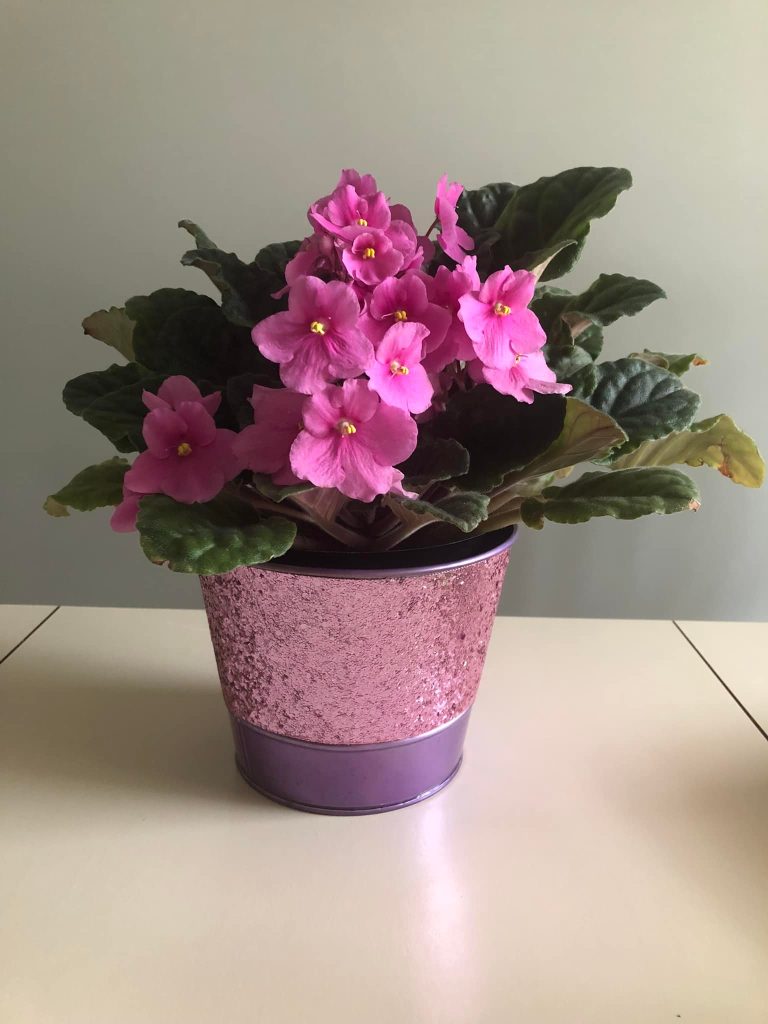
Flowers come in various forms: single (five petals), double (extra petals for a fuller look), semi-double, or star-shaped. Colors range from classic purple to pink, white, blue, red, and even bicolored or multicolored patterns.
Leaves vary too—smooth, quilted, ruffled, or variegated. The University of Florida IFAS Extension offers a detailed classification guide if you want to dive deeper.
Understanding these categories can help you choose the right violets for your space. I started with a standard purple variety, but soon I was hooked on miniatures and chimeras. Each type brings its own charm, and experimenting with different ones is half the fun!
Characteristic features of African Violets
What makes African violets so special? For me, it’s their unique blend of delicate beauty and surprising resilience. Here’s a closer look at their characteristics:
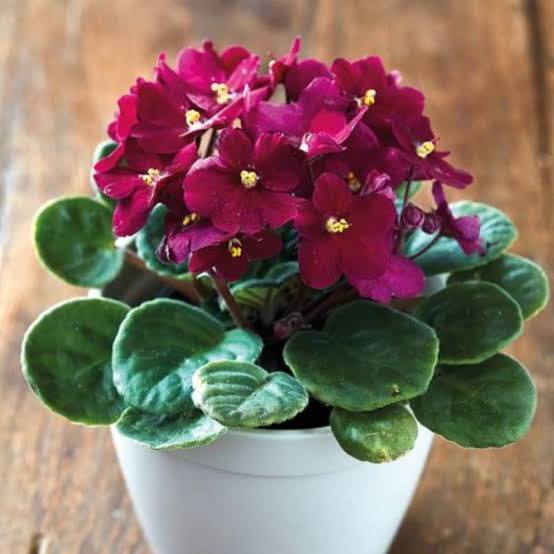
- Leaves: Soft, fuzzy, and heart-shaped, growing in a rosette pattern. The texture feels like velvet, and I can’t resist gently touching them (though I’m careful not to damage them!). Leaves can be green, variegated, or even bronze-tinted.
- Flowers: Small, five-petaled blooms in clusters, often with a contrasting center or “eye.” Colors span the rainbow, from deep violet to soft lavender, pink, white, and even green. Some hybrids have fringed or ruffled edges.
- Size: Most are compact, ranging from 6–16 inches wide. This makes them perfect for windowsills, shelves, or desks. My miniatures are tiny enough to fit on a crowded bookshelf.
- Growth habit: Low-growing and rosette-forming, they stay tidy and don’t sprawl. This makes them ideal for small apartments like mine.
- Bloom cycle: With the right care, they bloom year-round. I’ve had violets produce flowers for months, with new buds appearing just as others fade.
Their compact size and vibrant blooms make them versatile for any indoor setting. I’ve placed them in my living room, bedroom, and even my office. They add a touch of nature to fluorescent-lit spaces.
One thing I love is how each plant has its own personality. My oldest violet, a standard with deep purple blooms, seems to thrive no matter what I do, while my chimera is a bit fussier but rewards me with stunning striped flowers. These characteristics make African violets so fascinating.
Comprehensive Care Guide for African Violets
Caring for African violets is rewarding. However, they’re not low-maintenance like a snake plant. I’ve made plenty of mistakes—overwatering, wrong lighting, you name it—but each error taught me something new. Here’s a detailed guide to keep your violets thriving.
Light: The Key to Vibrant Blooms
African violets need bright, indirect light to flourish. Keep them near an east-facing window where they get gentle morning sun. Direct sunlight burns their leaves, leaving ugly brown spots (I learned this the hard way).
If your home lacks natural light, fluorescent or LED grow lights are a game-changer. I use a full-spectrum LED set to 10–12 hours daily. I’ve positioned 12–18 inches above the plants. This mimics their natural habitat and encourages blooming.
When violet’s leaves are stretching or the plant isn’t flowering, it’s likely not getting enough light. On the flip side, pale or scorched leaves mean too much light. Adjust gradually to find the right spot.
Watering: Balance is Everything
Watering is where most beginners (including me) go wrong. African violets like consistent moisture but hate soggy soil. I highly recommend a bottom-watering method. Place the pot in a saucer of room-temperature water for 30 minutes, then remove it.
This watering technique lets the roots soak up what they need without wetting the leaves. This saves your plants from spots and fungal issues.
To prevent root rot, let the top inch of soil dry out between waterings. I check by sticking my finger in the soil—if it feels dry, it’s time to water. Use distilled or rainwater if your tap water is hard, as minerals can build up in the soil.
While overwatering leads to root rot, underwatering can cause wilting. That’s why I love self-watering pots for African violets. They maintain consistent moisture, which is a lifesaver when I’m busy.
Soil: Light and Airy
African violets need well-draining, slightly acidic soil (pH 6.0–6.5). You can use a commercial African violet mix, like Miracle-Gro’s African Violet Potting Mix, which is perfectly balanced. If you prefer DIY, mix equal parts peat moss, perlite, and vermiculite.
I made the mistake of using regular potting soil once, and my violet’s roots suffocated. Good drainage is non-negotiable. Repot every 6–12 months to refresh the soil and prevent compaction.
Humidity: Create a Tropical Vibe
African violets thrive in 50–60% humidity, which is higher than most homes. In my dry apartment, I place a tray of pebbles filled with water under my pots to boost humidity. The water evaporates, creating a mini tropical environment.
A humidifier is another great option, especially in winter when heaters dry out the air. Avoid misting the leaves—it invites fungal problems. I learned this after spotting white powdery mildew on one of my plants.
If you’re struggling with humidity, group your violets together. This creates a microclimate that keeps moisture levels up.
Temperature: Keep it Cozy
African violets prefer 65–75°F (18–24°C). They’re sensitive to cold drafts, hot radiators, or sudden temperature changes. I once placed a violet near an air conditioner, and its leaves drooped within days.
Keep them away from windows in winter and avoid placing them near heating vents.
If you’re unsure about your home’s temperature, use a small thermometer near your plants. Consistency is key; African violets don’t like surprises.
Fertilizer: Feed Sparingly
Fertilizing African violets is like seasoning food; a little goes a long way. Use a balanced, water-soluble fertilizer (like 20-20-20) diluted to half strength every two weeks during the growing season (spring and summer). In fall and winter, reduce it to once a month.
For better results, look for fertilizers labeled for African violets. They are available at Amazon or garden centers.
Avoid overfertilizing as it can cause salt buildup. It’s one of the things that burns the roots. I flush the soil with distilled water every few months to prevent this. If your violet stops blooming, try a high-phosphorus fertilizer (like 15-30-15) to encourage flowers.
Potting and Repotting: Snug and Fresh
African violets like fitting pots. Choose one about one-third the diameter of the plant. A 4-inch pot works for most standards, while miniatures do well in 2–3-inch pots. Plastic or ceramic pots with drainage holes are ideal.
Repot your Violets every 6–12 months to refresh the soil and check the roots. It’s a simple process. Gently remove the plant, trim any dead roots, and place it in fresh soil at the same depth.
One tip I wish I’d known earlier: don’t bury the stem. African violets have a “neck” (the stem between the roots and leaves) that can rot if covered with soil.
Pruning and Grooming: Keep it Tidy
Regular grooming keeps African violets looking their best. Remove dead leaves and spent blooms. Use clean scissors to prevent the spread of diseases. It’s also important to rotate the pot weekly to ensure even growth. Violets will always tend to lean toward light.
If your violet develops a long neck, you can scrape it and repot it deeper to rejuvenate the plant.
I also dust the leaves gently with a soft brush to keep them clean. Never use leaf shine products—they clog the pores of the fuzzy leaves.
Propagation: Grow Your Collection
Propagating African violets is my favorite part—it’s like magic! The easiest method is leaf cutting:
- Select a healthy, mature leaf with a 1-inch stem.
- Cut at a 45-degree angle with a clean, sharp knife.
- Place the stem in a small pot of moist African violet soil or a jar of water.
- Cover with a plastic bag to trap humidity (if using soil).
- Roots form in 3–4 weeks, and tiny plantlets appear in 6–8 weeks.
- Transplant plantlets to their own pots once they’re 2–3 inches tall.
I’ve propagated dozens of violets this way. It’s thrilling to watch new plants grow. You can also propagate by division (for multi-crowned plants) or from suckers (small offshoots).
Common Problems and Solutions
Even with the best care, African violets can face challenges. Here’s a look into issues I’ve encountered and how to fix them:
1. No blooms
Cause: Insufficient light, nutrient deficiency, or overcrowding.
Fix: Move to brighter, indirect light (10–12 hours daily). Use a high-phosphorus fertilizer to boost blooms. If the plant is crowded, remove suckers or repot into a slightly larger pot.
2. Yellowing leaves
Cause: Overwatering, poor drainage, cold temperatures, or nutrient buildup.
Fix: Check soil moisture and water only when the top inch is dry. Ensure the pot has drainage holes. Keep the plant above 65°F and flush the soil with distilled water to remove excess salts.
3. Leaf spots
Cause: Water on leaves, high humidity with poor air circulation, or fungal infection.
Fix: Water from the bottom and avoid wetting leaves. Improve air circulation with a small fan. Remove affected leaves and treat with a fungicide if needed.
4. Pests
Common Pests: Mealybugs (white, cottony masses), aphids (tiny green or black insects), or spider mites (webbing on leaves).
Fix: Wipe leaves with a damp cloth or use insecticidal soap. For stubborn pests, try neem oil. Isolate infested plants to prevent spreading. I once battled mealybugs and found that persistence with neem oil saved my violets.
5. Root rot
Cause: Overwatering or poor drainage.
Fix: Repot in fresh, well-draining soil. Trim mushy roots with sterile scissors. Water sparingly until the plant recovers. Using self-watering pots has helped me avoid this issue.
6. Powdery mildew
Cause: High humidity with poor air circulation.
Fix: Increase air movement and reduce humidity slightly. Treat with a fungicide labeled for houseplants. I keep a small fan near my violets to prevent this.
7. Drooping leaves
Cause: Underwatering, overwatering, or temperature stress.
Fix: Check soil moisture and adjust watering. Ensure the plant is in a stable, warm environment. Drooping was my first clue that one of my violets was too close to a cold window.
8. Crown rot
Cause: Water trapped in the crown or overwatering.
Fix: Water carefully to avoid the crown. If rot appears, remove affected areas and repot. This is rare but devastating. I lost a favorite violet to crown rot before I mastered bottom-watering.
Advanced Tips for Thriving African Violets
Once you’ve got the basics down, these advanced tips will take your African violets to the next level:
- Wick watering: This is a game-changer for consistent moisture. Place a wick (like a cotton string) through the pot’s drainage hole, with one end in the soil and the other in a water reservoir. The plant draws water as needed. I use this for my busiest plants, and they’ve never looked better.
- Hybrid selection: Experiment with unique hybrids like chimeras or fantasy varieties (with speckled or streaked flowers). The AVSA website lists reputable growers for rare cultivars.
- Show-ready plants: If you want to enter competitions, focus on symmetry. Remove suckers, groom leaves, and use a high-phosphorus fertilizer for larger blooms. I attended a local AVSA show and was amazed by the pristine plants on display.
- Seasonal adjustments: In winter, reduce watering and cut back on fertilizing, as growth slows. In spring and summer, increase both to support active growth.
- Record-keeping: I keep a journal to track watering, fertilizing, and blooming patterns. It’s helped me spot issues early and take the necessary action.
FAQs
Here are answers to the frequently asked questions about African Violets.
Q: How often do African violets bloom?
A: With proper light, fertilizer, and care, they can bloom year-round. Each bloom lasts several weeks, and new buds often follow.
Q: Can I grow African violets under artificial light?
A: Absolutely! Fluorescent or LED grow lights (full-spectrum, 6500K) are ideal. Provide 10–12 hours of light daily. Position your grow light 12–18 inches above the plant or as directed by the manufacturer.
Q: Why are my African violets’ leaves drooping?
A: Drooping usually signals overwatering, underwatering, or temperature stress. Check the soil and adjust your care routine.
Q: Are African violets toxic to pets?
A: No, they’re safe for cats and dogs, according to the ASPCA.
Q: How long do African violets live?
A: With good care, they can live for decades. My oldest violet is 15 years old and still blooming!
Q: Can I grow African violets outdoors?
A: They’re strictly indoor plants in most climates. They can’t tolerate temperatures below 60°F or direct sun. In tropical regions, they can grow in shaded, humid spots.
Q: Why are my violet’s flowers small?
A: Small flowers often mean insufficient light or nutrients. Increase light exposure and use a high-phosphorus fertilizer.
Final thoughts
African violets are more than plants; they’re companions. Their vibrant blooms and soft leaves bring joy to my daily routine. Their care too feels like a small act of love. Whether I’m propagating a new cutting, grooming leaves, or admiring a fresh bloom, these plants make my home feel alive.
I got my first African violet as a gift from my mom. It was a simple purple standard that I promptly overwatered. It didn’t survive, but it sparked my obsession. Over the years, I’ve grown dozens of varieties, from miniatures to trailing types, and learned what makes them tick.
My proudest moment was propagating a chimera and seeing its striped flowers bloom for the first time. It felt like winning a gardening Oscar!
What keeps me hooked is how forgiving African violets are. They’re perfect for beginners and experts alike. Even when I’ve neglected them, they bounce back with a little TLC. They’ve taught me patience, observation, and the joy of nurturing something beautiful.
My collection now spans every windowsill in my home. I’m always excited to try new varieties or share cuttings with friends. By following this guide, you’ll be well on your way to growing lush, blooming African violets. Happy growing!
Helpful Resources
- African Violet Society of America: Connect with growers, find rare cultivars, and access care guides.
- Missouri Botanical Garden: In-depth care and propagation advice.
- Royal Horticultural Society: Expert insights on classification and growing.
- University of California IPM: Pest and disease management solutions.
- University of Florida IFAS Extension: Detailed guides on soil and propagation.

Tim M Dave is a gardening expert with a passion for houseplants, particularly cacti and succulents. With a degree in plant biology from the University of California, Berkeley, he has vast experience in gardening. Over the years, he has cultivated a vast collection of desert plants and learned a great deal about how to grow and care for these unique companions.